Product Description
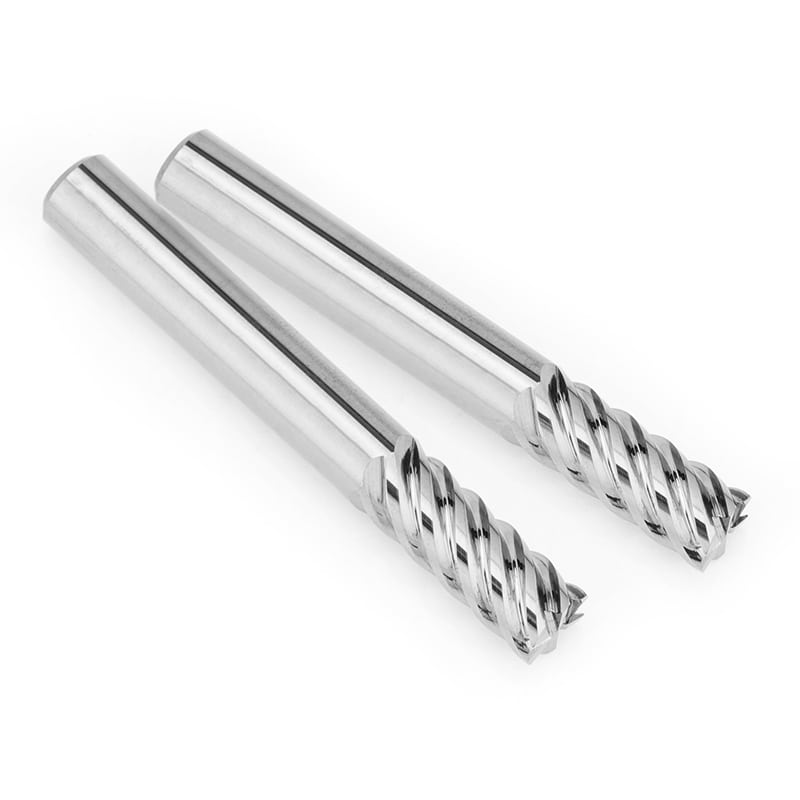
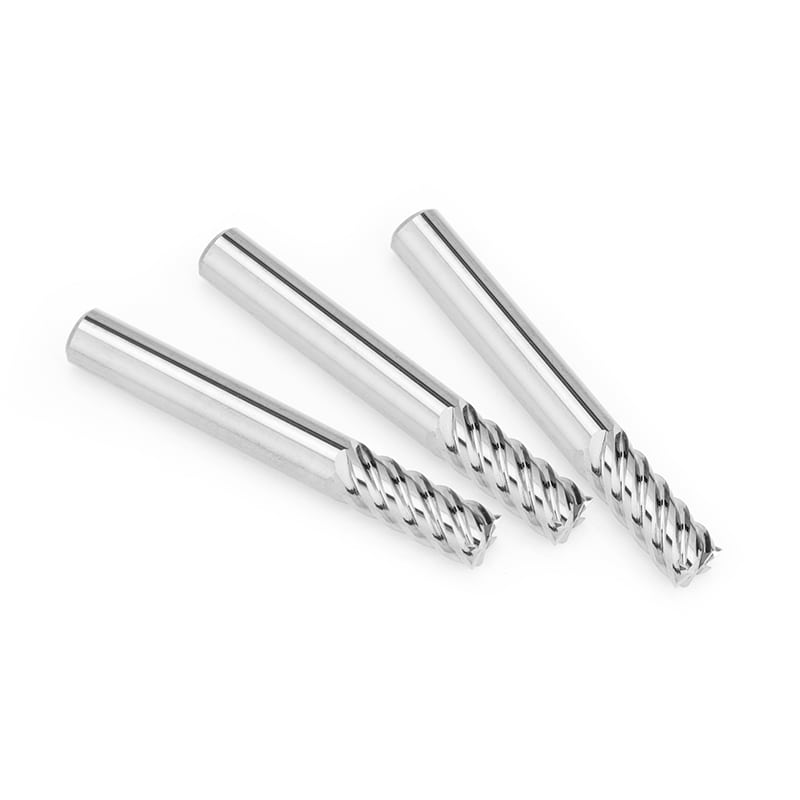
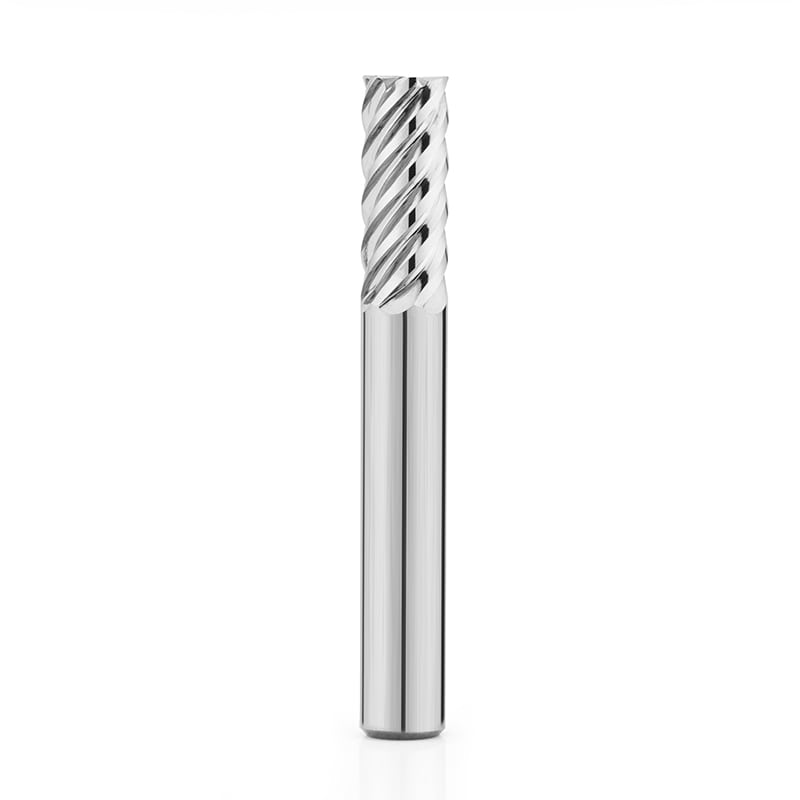
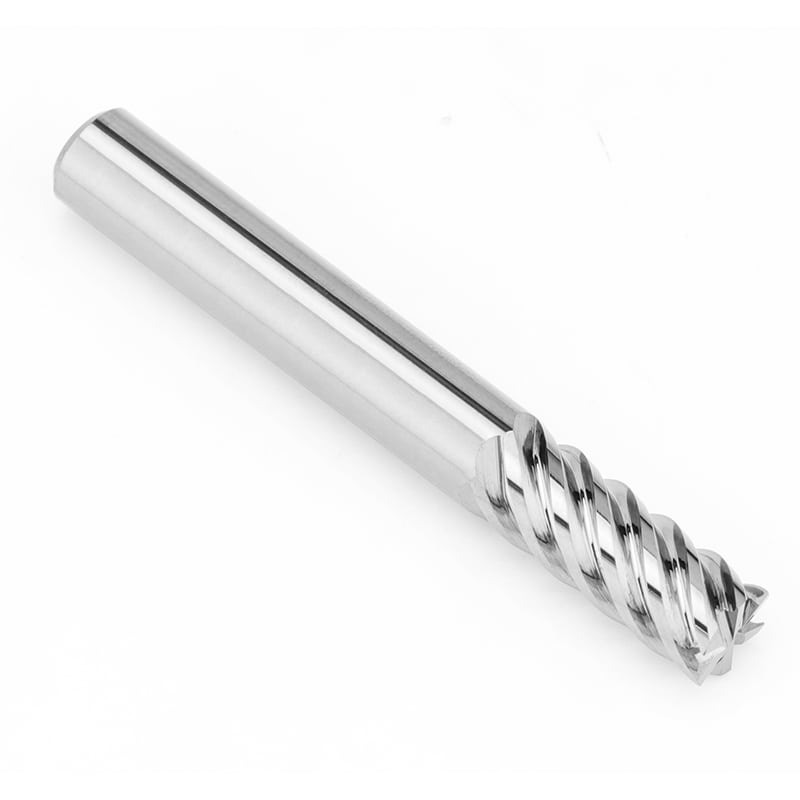
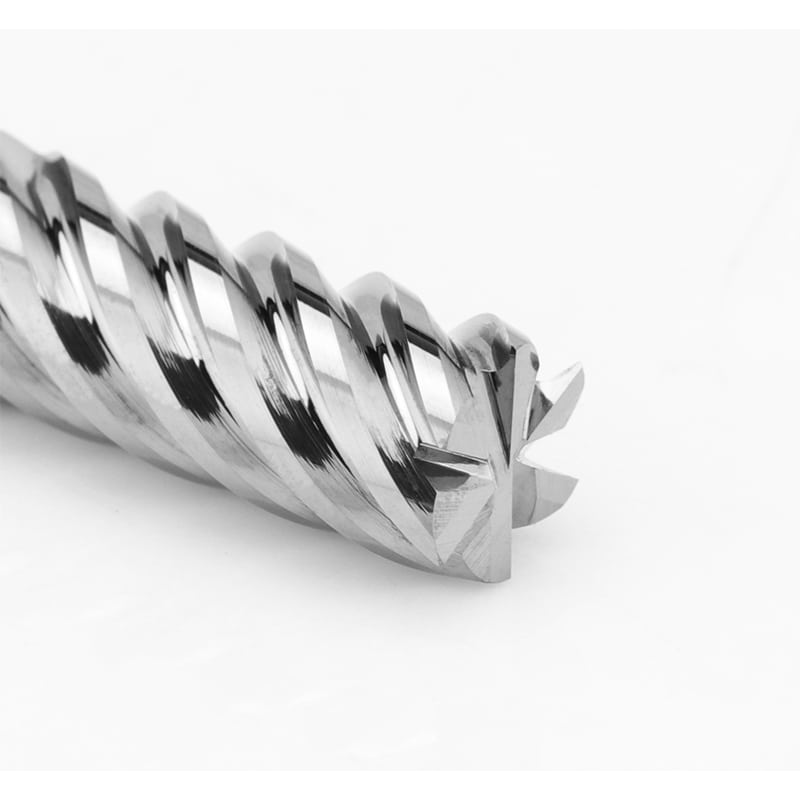
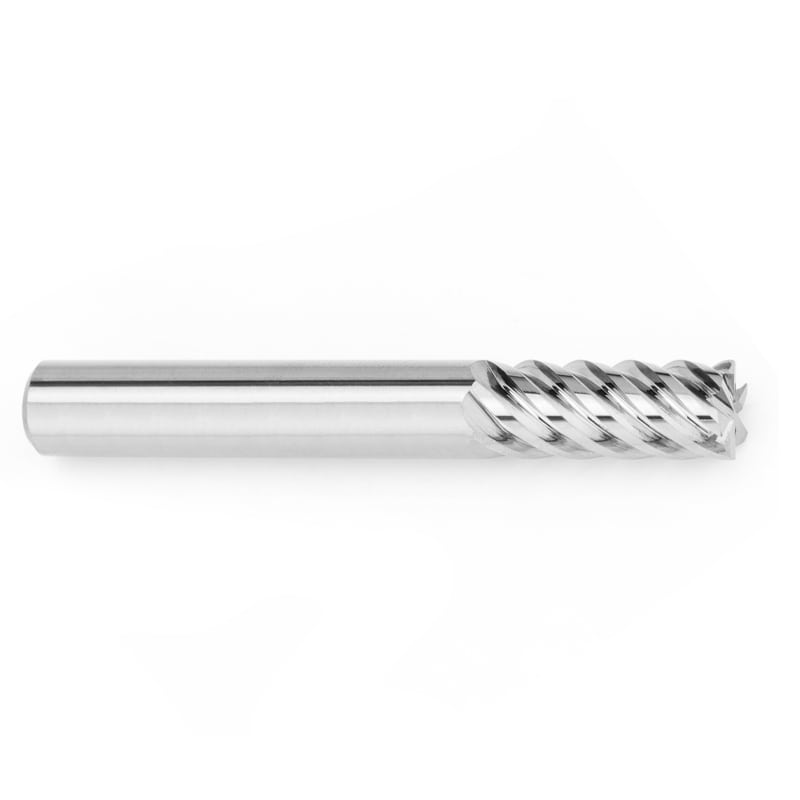
Dohre ceramic and cermet end mills are developed for machining carbon fiber, glass fiber, and other highly abrasive fiber-reinforced composite materials.
Carbon fiber reinforced polymer and glass fiber reinforced polymer can cause rapid cutting-edge wear because of their high abrasiveness. Conventional cutting tools may experience short tool life, edge chipping, increased burrs, delamination, fiber pull-out, and unstable surface quality during long production cycles.
Dohre composite end mills combine high-hardness tool materials, stable cutting-edge geometry, wear-resistant flute design, and precision grinding control to support cleaner cutting edges, smoother material removal, and more consistent dimensional accuracy.
Two material options are available: solid ceramic and cermet. The suitable option can be selected according to composite material grade, fiber content, machining continuity, cutting depth, machine rigidity, edge-quality requirement, and expected tool life.
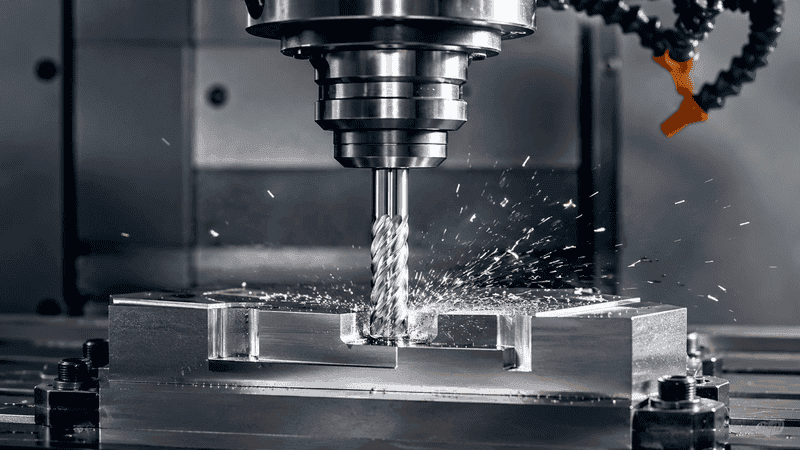
The tools are suitable for trimming, slotting, side milling, contour machining, profile finishing, and edge finishing of CFRP, GFRP, and other abrasive composite components.
Under comparable machining conditions, tool life can reach up to 5 times that of conventional cutting tools. Actual performance depends on fiber content, workpiece structure, tool diameter, cutting parameters, machine condition, and dust-removal method.
Dohre provides standard ceramic end mills, custom tool geometries, OEM production, and stable batch supply for aerospace component manufacturers, automotive suppliers, composite-product factories, electronics manufacturers, and precision CNC machining companies.
Solid Ceramic and Cermet Material Options
Solid Ceramic End Mill
The solid ceramic end mill is designed for highly abrasive composite materials where maximum wear resistance and long tool life are important.
Its high hardness helps the cutting edge resist abrasive wear caused by carbon fibers and glass fibers. Under stable machining conditions, solid ceramic tools can maintain cutting-edge geometry for longer production cycles and reduce the frequency of tool replacement.
Main advantages include:
• Excellent resistance to abrasive fiber wear
• High material hardness
• Stable cutting-edge geometry
• Suitable for high-fiber-content composite materials
• Reduced tool-change frequency
• Suitable for continuous and stable machining conditions
• Long tool life in CFRP and GFRP machining
Solid ceramic tools require stable workpiece clamping, rigid machine conditions, controlled cutting engagement, and minimal tool overhang. Excessive impact and unstable interrupted cutting should be avoided.
Cermet End Mill
The cermet end mill provides a balanced combination of wear resistance, cutting-edge toughness, and machining stability.
Compared with solid ceramic tools, the cermet option may provide better tolerance to changing cutting loads, light interrupted cutting, or machining conditions where additional edge toughness is required.
Main advantages include:
• High wear resistance
• Better balance between hardness and toughness
• Stable cutting-edge quality
• Suitable for precision and semi-finishing
• Good edge reliability under varying cutting loads
• Consistent surface quality during batch machining
• Suitable for CFRP, GFRP, and other fiber-reinforced composites
Dohre can recommend a suitable solid ceramic or cermet option according to the workpiece structure, fiber content, machining method, cutting depth, and required edge quality.
Product Features and Cutting Geometry
High Hardness and Wear Resistance
Carbon fiber and glass fiber are highly abrasive and can quickly wear conventional cutting tools.
Selected solid ceramic and cermet grades provide high hardness and stable wear resistance. Depending on the selected material grade, hardness can reach HRA94 or above.
The high-hardness cutting material helps reduce flank wear, maintain tool geometry, and support longer machining cycles.
Fine and Uniform Material Structure
A fine and uniform material structure helps improve cutting-edge consistency, material stability, and resistance to uneven wear.
Stable material quality is especially important for composite machining because small changes in cutting-edge condition can affect burr formation, delamination, fiber pull-out, and dimensional accuracy.
88°/92° Unequal End-Tooth Division
Selected tool designs use unequal end-tooth angles of 88° and 92°.
This changes the engagement timing of the cutting edges and helps reduce periodic cutting forces and vibration. More stable cutting engagement can support cleaner composite edges and more consistent surface quality.
35°/37° Unequal Helix Geometry
Unequal helix angles of 35° and 37° help disturb harmonic vibration during milling.
The unequal helix design supports smoother cutting during side milling, contour machining, trimming, and edge finishing. It also helps improve machining stability when cutting thin-wall or precision composite components.
0° to −5° Reinforced Rake Angle
A rake angle between 0° and −5° strengthens the cutting edge and improves resistance to abrasive fiber impact.
The reinforced edge geometry helps reduce premature edge damage and supports stable tool life when machining carbon fiber and glass fiber materials.
Composite-Oriented Flute Design
The flute geometry is designed to support smooth evacuation of composite dust and fine fiber particles.
Efficient dust evacuation helps reduce repeated cutting, heat accumulation, surface scratching, and unstable tool wear. Dry machining, air blow, or an industrial dust-extraction system is recommended.
Multiple Tool Geometries Available
Dohre can provide:
• Ceramic square end mills
• Ceramic ball nose end mills
• Ceramic corner radius end mills
• Cermet square end mills
• Cermet ball nose end mills
• Cermet corner radius end mills
• Long-neck composite end mills
• Multi-flute composite end mills
• Custom ceramic and cermet milling cutters
Square end mills are suitable for flat surfaces, trimming, and slotting. Ball nose end mills are suitable for curved surfaces and 3D contours. Corner radius end mills provide stronger corner protection for side-wall and profile machining.
Applications and Tool Selection
Dohre ceramic and cermet end mills are suitable for highly abrasive fiber-reinforced composite materials where tool life, edge quality, and machining consistency are important.
Suitable Workpiece Materials
• Carbon fiber reinforced polymer, CFRP
• Glass fiber reinforced polymer, GFRP
• Fiber-reinforced plastic, FRP
• Carbon fiber sheets
• Carbon fiber structural parts
• Glass fiber composite components
• Resin-based fiber composites
• Laminated composite materials
• Other abrasive non-metal composite materials
Typical Machining Applications
• Composite edge trimming
• CFRP and GFRP slotting
• Side milling
• Flat-surface machining
• Contour machining
• Profile finishing
• Edge finishing
• Curved-surface machining
• 3D composite-part machining
• Precision finishing of composite components
Tool Life Performance
Under comparable machining conditions, Dohre solid ceramic and cermet end mills can provide up to 5 times the tool life of conventional cutting tools.
Longer tool life can help customers:
• Reduce tool-change frequency
• Improve machine utilization
• Maintain more consistent edge quality
• Reduce production interruptions
• Improve batch machining stability
• Lower tooling cost per finished part
Actual tool life depends on the composite grade, fiber percentage, resin type, tool diameter, cutting parameters, machine rigidity, cutting depth, dust extraction, and workpiece clamping.
Manufacturing, Customization and FAQ
Dohre manufactures ceramic and cermet end mills for B2B customers who require stable tool quality, repeatable machining performance, custom design support, and reliable batch supply.
High-precision CNC grinding equipment is used to maintain consistent flute geometry, cutting-edge profile, tool diameter, and dimensional accuracy.
Tool geometry, diameter, runout, ball radius, corner radius, flute profile, and cutting-edge quality can be inspected before shipment to support stable batch production.
Customizable Options
• Tool diameter
• Flute length
• Overall length
• Shank diameter
• Neck diameter
• Neck length
• Flute number
• Helix angle
• Rake angle
• Ball radius
• Corner radius
• Square, ball nose, or corner radius geometry
• Solid ceramic or cermet material grade
• Cutting-edge preparation
• Application-specific flute geometry
• OEM branding and packaging
FAQ
What are ceramic and cermet end mills mainly used for?
They are mainly used for machining carbon fiber, glass fiber, and other abrasive fiber-reinforced composite materials.
What is the difference between solid ceramic and cermet end mills?
Solid ceramic end mills provide higher wear resistance for stable and continuous composite machining. Cermet end mills provide a more balanced combination of wear resistance and edge toughness for changing cutting loads or light interrupted machining.
Why do carbon fiber and glass fiber require special end mills?
Carbon and glass fibers are highly abrasive. They can quickly wear conventional cutting edges and cause burrs, delamination, fiber pull-out, and unstable edge quality.
Can the tool life really reach five times longer?
Under comparable machining conditions, tool life can reach up to 5 times that of conventional cutting tools. Actual results depend on the composite material, fiber content, cutting parameters, machine rigidity, and dust-removal conditions.
Can these tools reduce delamination and burrs?
The stable cutting material and optimized edge geometry help reduce cutting-edge wear and support cleaner composite edges. Final edge quality also depends on tool selection, cutting direction, workpiece support, and machining parameters.
Are these tools suitable for dry machining?
Yes. CFRP and GFRP are commonly machined using dry cutting, air blow, or dust-extraction systems. Coolant is normally not required unless specified by the workpiece or production process.
Which geometry should I choose?
Choose a square end mill for trimming, flat surfaces, and slotting. Choose a ball nose end mill for curved surfaces and 3D contours. Choose a corner radius end mill for side-wall finishing and stronger edge protection.
Can Dohre customize ceramic and cermet end mills?
Yes. Dohre supports custom dimensions, flute number, neck geometry, ball radius, corner radius, cutting-edge design, material grade, OEM production, and private-label packaging.
What information is required for a tool recommendation?
Please provide the composite material, fiber type, fiber content, workpiece thickness, machining method, tool diameter, cutting depth, machine type, dust-removal method, edge-quality requirement, and current tool-life problem.