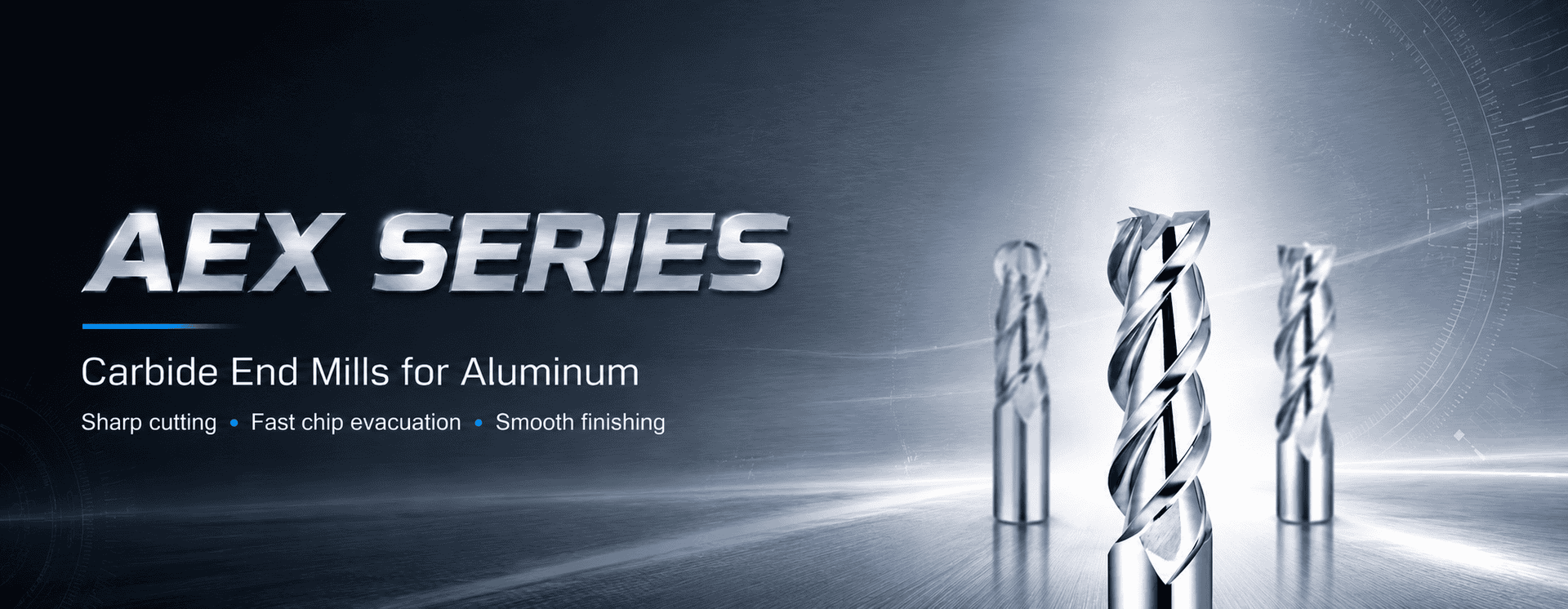
Ball Nose End Mill for Aluminum Machining | AEX Series
Learn More

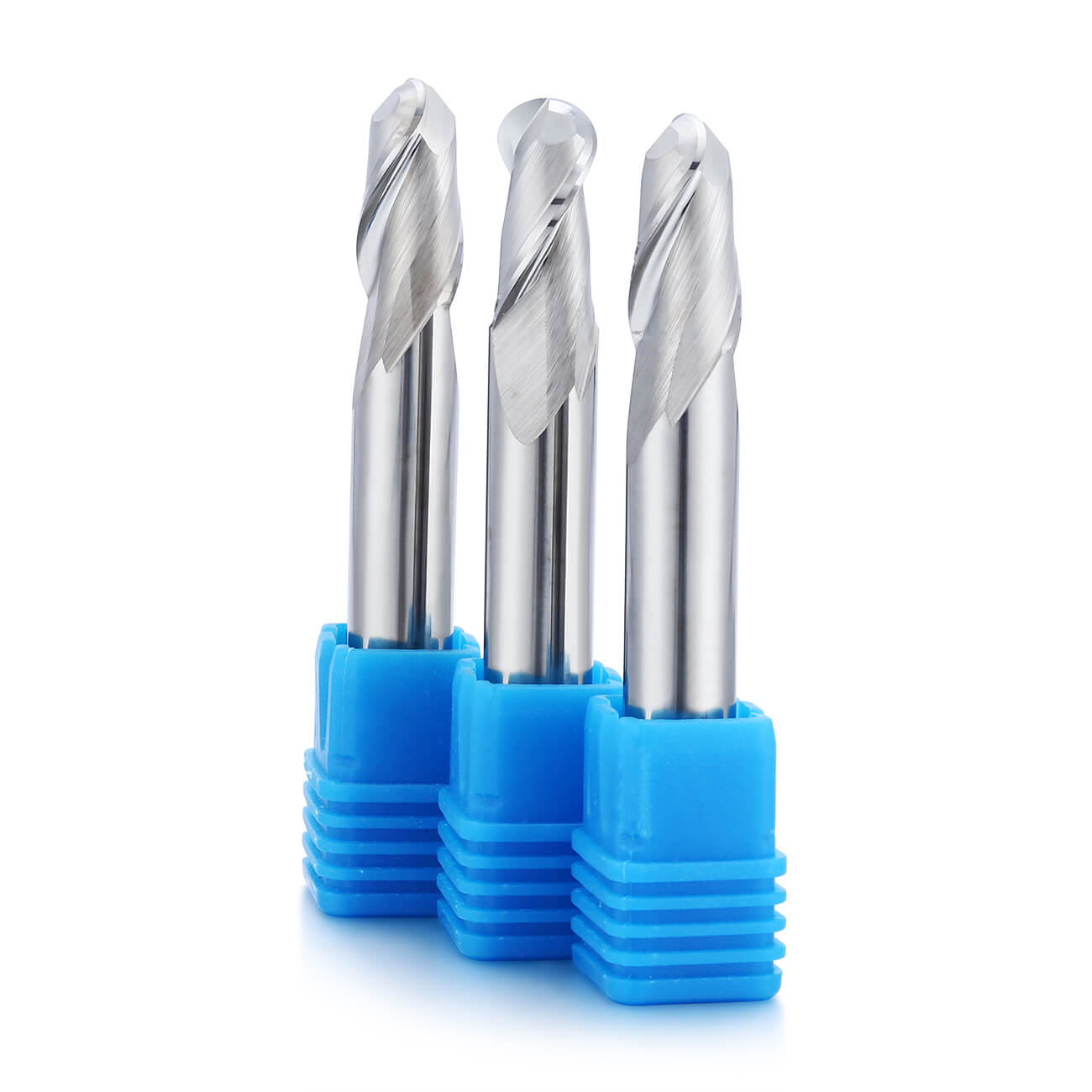
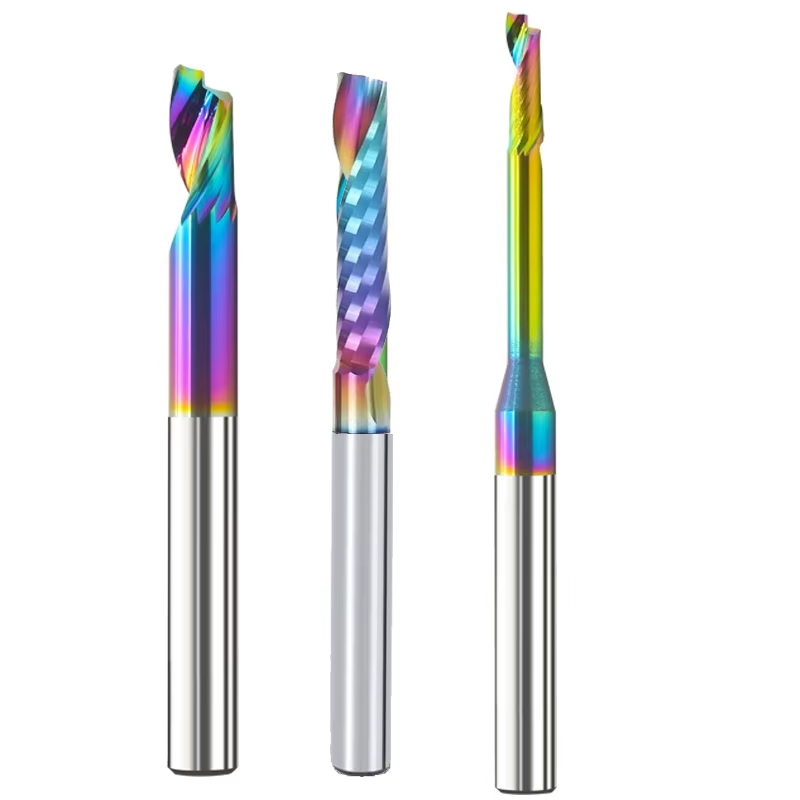
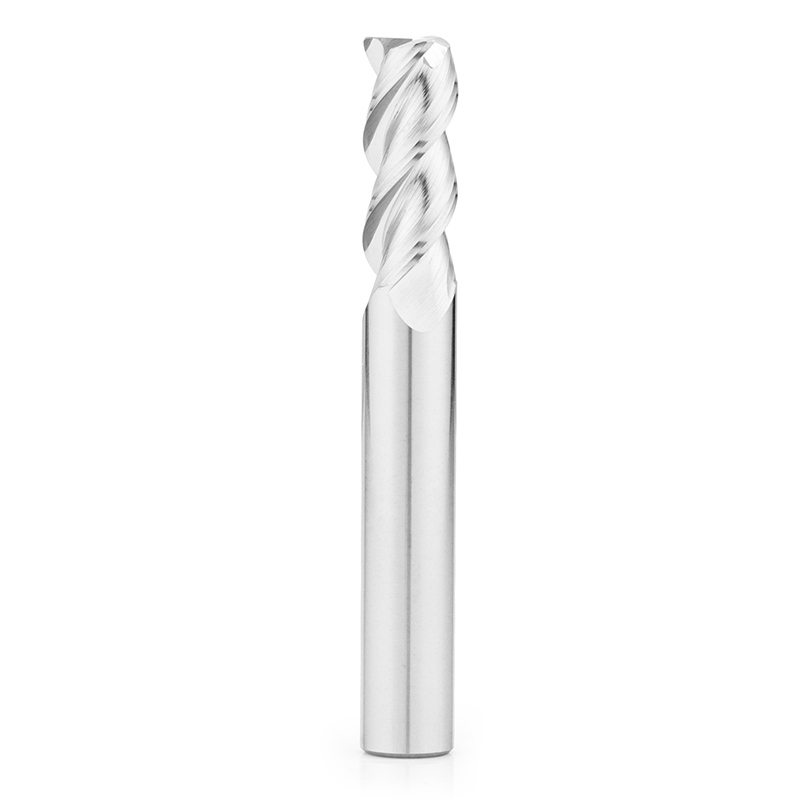
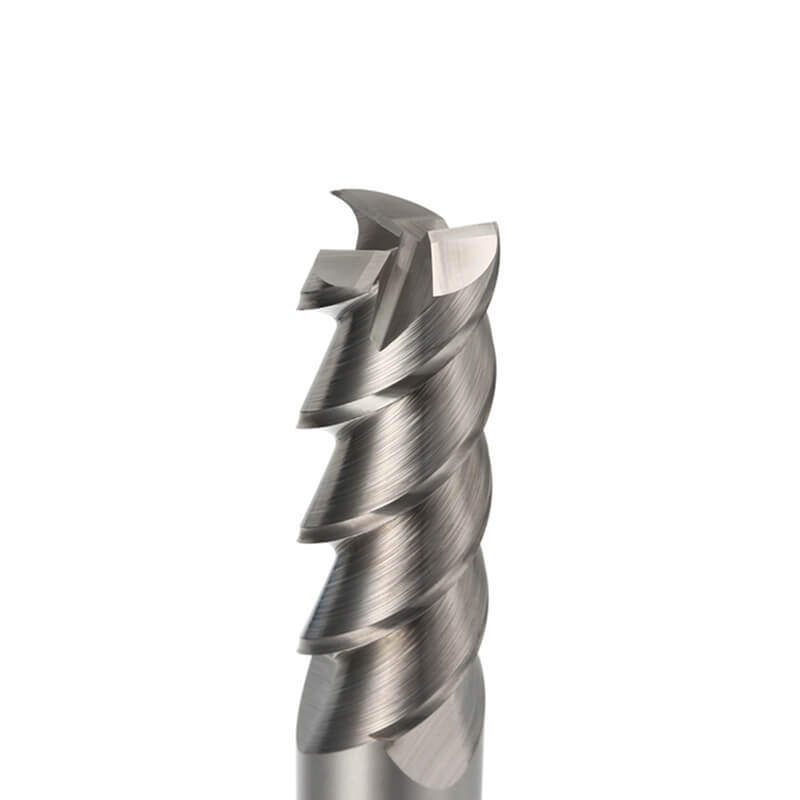
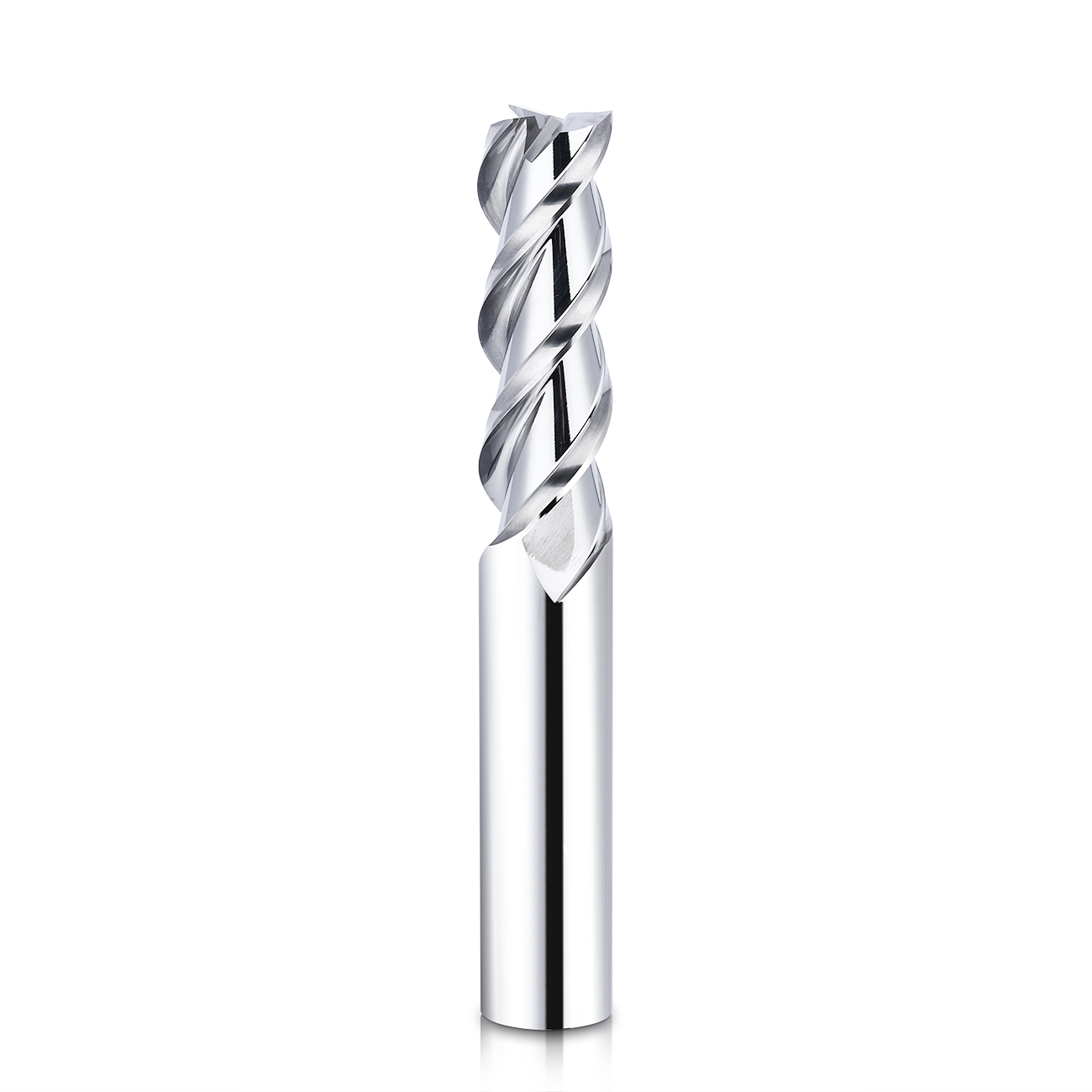
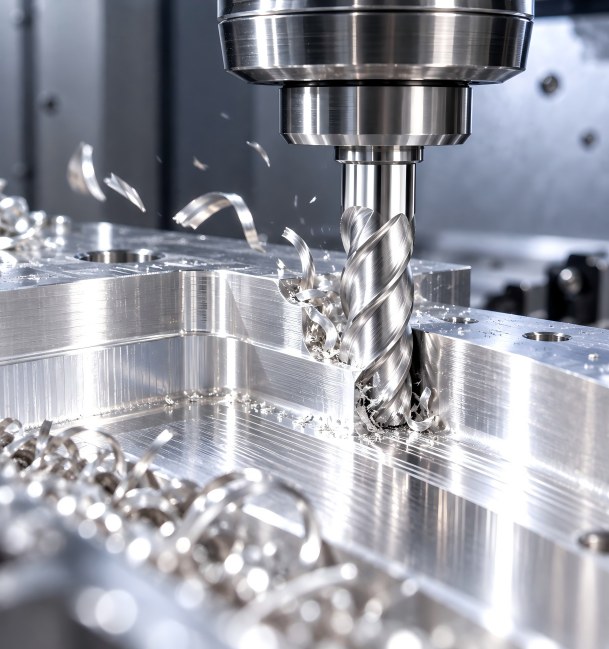
For aluminum machining, tool sharpness, flute design, chip evacuation, and anti-adhesion performance directly affect surface finish, burr control, and tool life. AEX Series aluminum end mills are designed to help reduce built-up edge, improve chip flow, and support stable cutting performance in high-speed CNC machining.
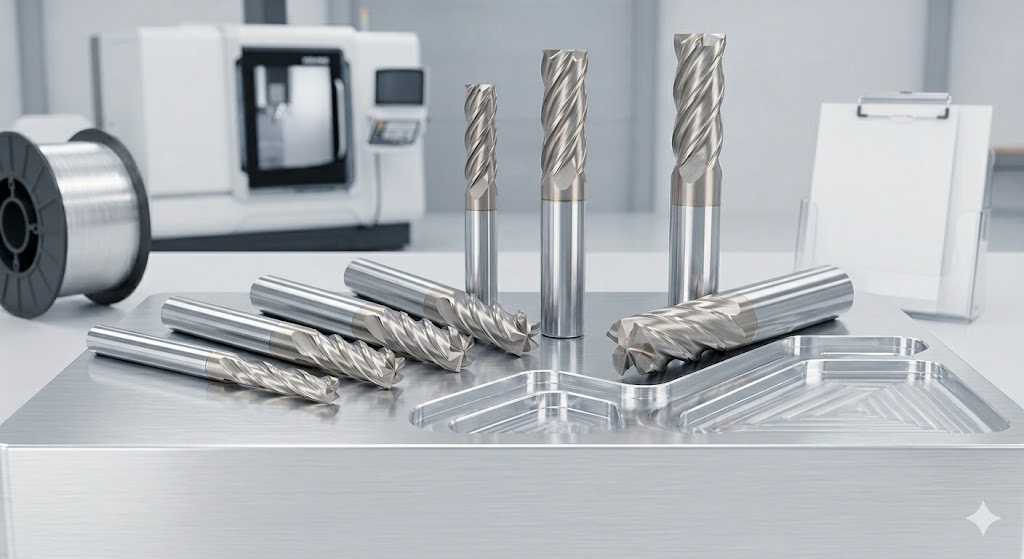
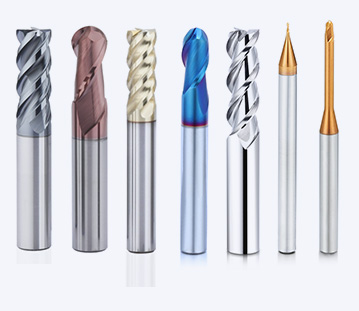
As a carbide end mill manufacturer, Dohre provides AEX square end mills, ball nose end mills, corner radius end mills, single flute end mills, and high polished aluminum end mills for different aluminum machining requirements. Custom dimensions, coating options, flute designs, and OEM orders are also available for industrial customers.
AEX Series is designed around the typical problems found in aluminum milling.
For more details about aluminum adhesion, visit: Why Does Aluminum Stick to an End Mill
For flute count selection, visit: 2 Flute vs 3 Flute End Mill for Aluminum
Aluminum and other non-ferrous materials require cutting tools with sharp edges and efficient chip evacuation. During machining, issues such as chip packing, built-up edge, burr formation, poor surface finish, and unstable tool life can occur when the tool geometry is not optimized for these materials.
The Dohre AEX Series is a carbide end mill series developed specifically for aluminum and non-ferrous material machining. Designed with sharp cutting edges, polished flutes, and optimized geometry, AEX end mills help improve chip evacuation, reduce cutting heat, and maintain stable machining performance in high-speed CNC applications.
AEX Series end mills are suitable for a wide range of aluminum machining operations, including:
1、Slotting
2、Side milling
3、Pocket machining
4、Shoulder milling
5、3D contouring
6、Surface finishing
7、High-speed machining
8、High-gloss finishing
The AEX Series can be used for machining a variety of non-ferrous and soft materials, including:
1、6061 Aluminum
2、7075 Aluminum
3、Aluminum-Silicon Alloys
4、Magnesium Alloys
5、Copper Alloys
6、Engineering Plastics
7、Acrylic (PMMA)
8、PVC
9、MDF
10、Other non-ferrous materials
As a professional carbide end mill manufacturer, Dohre develops the AEX Series to meet the requirements of manufacturers seeking efficient aluminum machining, consistent surface quality, and reliable tool performance.
The AEX Series is widely used in CNC machining industries requiring high-speed and precision aluminum processing, including:
1、Aerospace component manufacturing
2、Automotive parts machining
3、Electronic device housings
4、Mold and die manufacturing
5、Precision engineering parts
6、Aluminum profile processing
7、CNC router aluminum machining
8、Plastic and composite machining
Different aluminum machining tasks require different tool geometry. Instead of choosing only by tool name, buyers should select the tool according to cutting method, surface requirement, chip evacuation condition, and workpiece material.
| Machining Requirement | Recommended AEX Tool Type | Best Use |
|---|---|---|
| Slotting and flat bottom machining | Square / flat end mill | Slots, pockets, flat surfaces, side walls |
| Curved surface finishing | Ball nose end mill | 3D contouring, curved profiles, mold surfaces |
| Shoulder and side-wall finishing | Corner radius end mill | Stronger corner protection and stable side-wall machining |
| High-speed chip evacuation | Single flute end mill | CNC router cutting, large chip space, soft materials |
| High-gloss aluminum surface | High polished end mill | Appearance parts, low burrs, reduced tool marks |
| Special aluminum parts | Custom AEX tools | Special diameter, flute length, coating, or geometry |
For general slotting and side milling, square or flat end mills are usually the first choice. For 3D surfaces and curved profiles, ball nose tools are more suitable. For shoulder machining and longer tool life at the corner, corner radius end mills offer better edge protection. For high-speed cutting and soft materials, single flute tools provide larger chip space. For appearance parts and high surface quality, high polished aluminum end mills are more suitable.





By continuing to use the site you agree to our privacy policy Terms and Conditions.