Why Does Aluminum Stick to an End Mill? Causes and Solutions
Introduction
Aluminum sticking to an end mill is usually caused by heat, poor chip evacuation, unsuitable cutter geometry, or built-up edge during machining. Understanding these causes helps improve tool selection, cutting stability, surface finish, and overall aluminum milling performance.
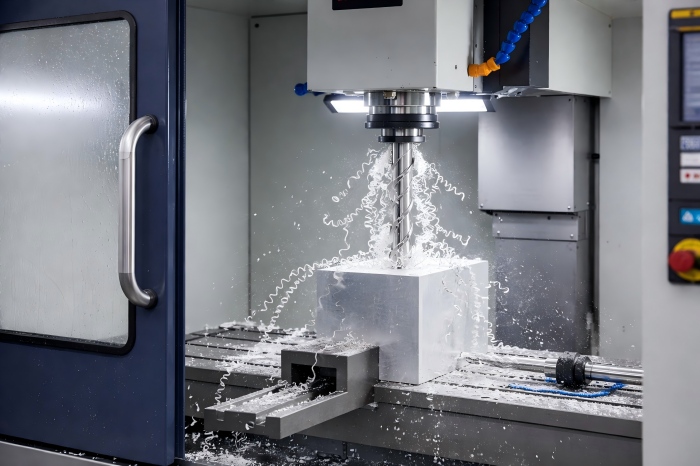
Aluminum sticking to an end mill is a common machining problem in CNC applications. Once material starts adhering to the cutting edge, it can affect chip evacuation, surface finish, burr control, and overall machining stability. In many cases, the issue is not caused by the material alone, but by the combination of tool geometry, flute condition, and cutting setup.
This guide explains why aluminum sticks to an end mill, what problems it can create, and how to reduce adhesion through better tool selection and machining conditions. If you are comparing different tooling options, it is often helpful to review a dedicated end mill for aluminum range before selecting the most suitable cutter.
What Does It Mean When Aluminum Sticks to an End Mill
When aluminum sticks to an end mill, material begins to adhere to the cutting edge or flute surface during machining. This buildup can interfere with normal cutting and prevent the tool from shearing the material cleanly.
In practice, this problem is often associated with built-up edge. Once material accumulates on the tool, cutting becomes less stable and the risk of poor finish, burrs, and chip recutting increases.
Why Aluminum Sticks to an End Mill
Several factors can cause aluminum to stick to a cutter. In many cases, the problem is not caused by one issue alone, but by multiple machining conditions acting together.
Insufficient Edge Sharpness
If the cutting edge is not sharp enough, the tool may begin pushing the material instead of cutting it cleanly. This makes adhesion more likely and can increase burr formation.
Poor Chip Evacuation
Aluminum often produces continuous chips. If those chips cannot leave the cutting zone smoothly, they may be recut and begin sticking to the flute or cutting edge. This is one of the most common causes of unstable machining in aluminum applications.
Unsuitable Flute Geometry
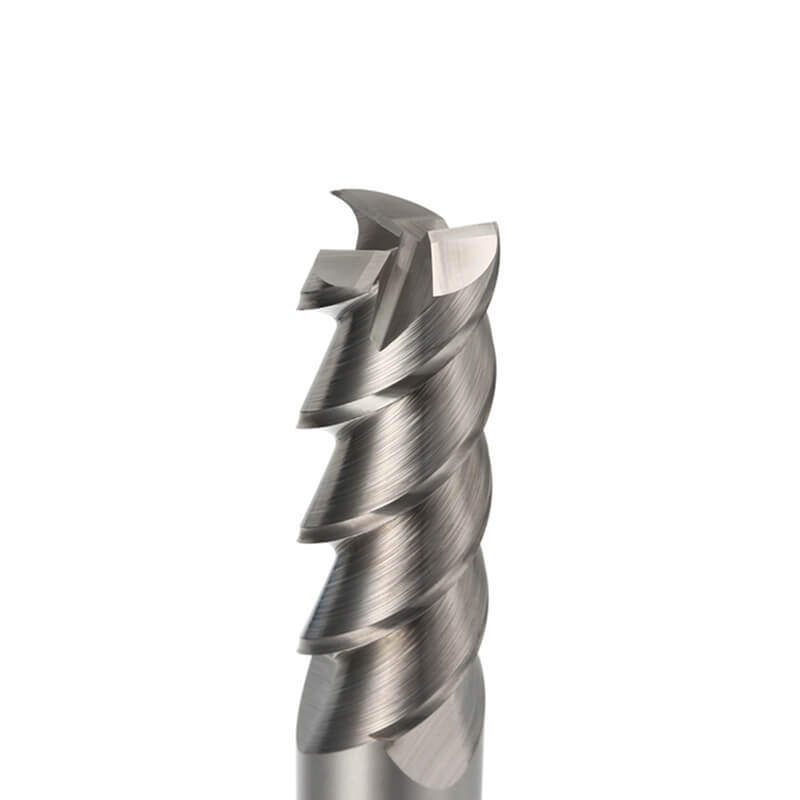
A flute design that does not evacuate chips efficiently may increase the chance of adhesion. In aluminum machining, cutter geometry should support fast chip flow and cleaner cutting.
Excess Heat During Cutting
Heat can make adhesion worse. Once cutting temperature increases, the tendency of aluminum to stick to the tool may become stronger, especially when the cutter is already not evacuating chips well.
Unsuitable Tool for Aluminum
A general-purpose cutter may not always perform well in aluminum. In many cases, a tool specifically designed for non-ferrous materials is more effective because it usually offers sharper edges and smoother flute conditions.
Common Problems Caused by Aluminum Adhesion
Once aluminum begins sticking to the cutter, several machining problems may appear.
Poor Surface Finish
A built-up edge changes how the cutter contacts the material. This often leads to rougher finish and less stable surface quality.
More Burrs on the Workpiece
If the material is not cut cleanly, burr formation usually becomes more obvious, especially around edges and slots.
Unstable Cutting
Chip recutting and adhesion can make cutting less stable, which may affect tool life, dimensional consistency, and machining repeatability.
Shorter Tool Life
When adhesion becomes serious, the cutter edge is more likely to wear unevenly or lose effective cutting performance sooner than expected.
How to Prevent Aluminum from Sticking to an End Mill
The most effective solution is to improve the entire cutting condition, not just one factor. Tool choice, chip control, and machining setup all matter.
Use a Sharp Tool Designed for Aluminum
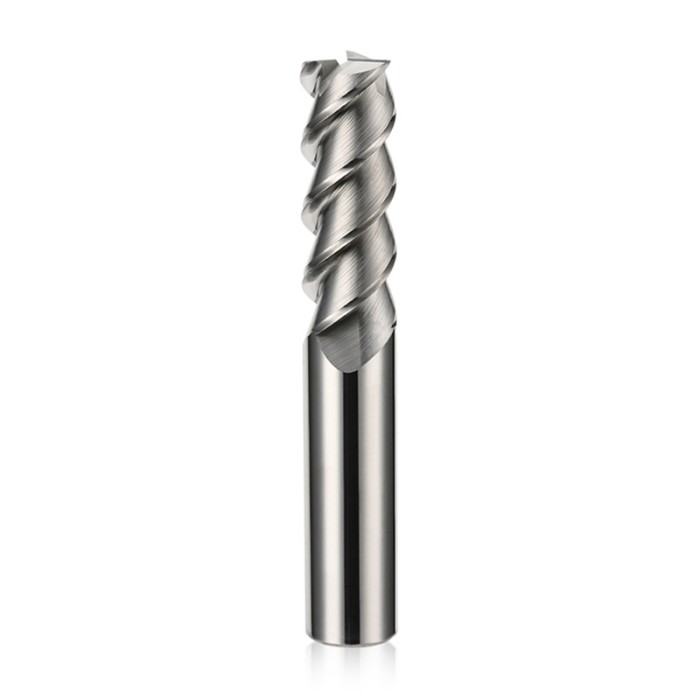
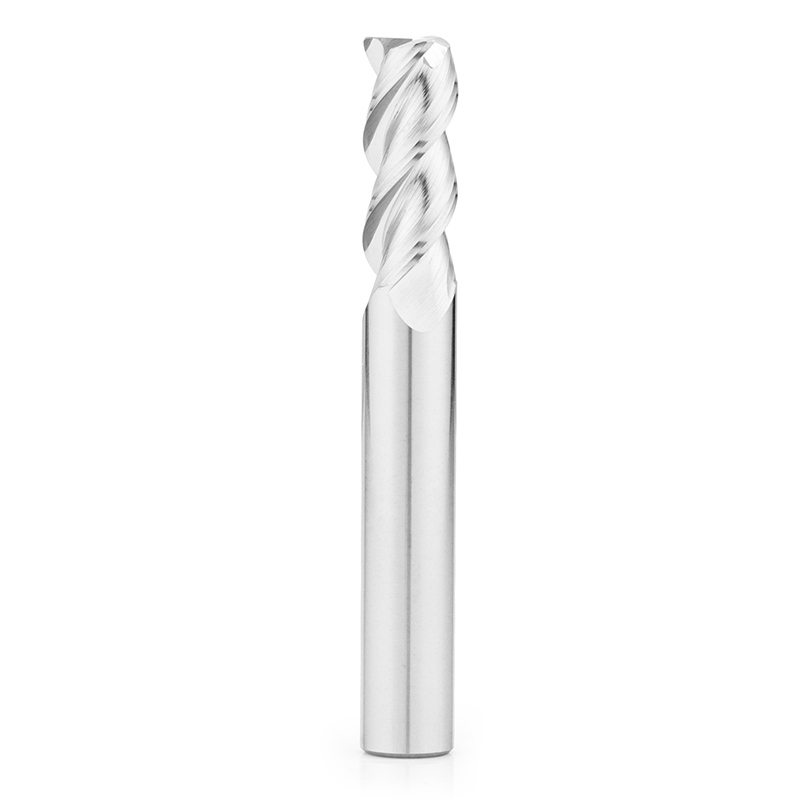
A sharp cutter helps shear aluminum more cleanly and reduces the chance of built-up edge. For many CNC applications, a dedicated square end mill for aluminum or high polished end mill for aluminum is more suitable than a general cutter.
Improve Chip Evacuation
Chip evacuation is one of the most important factors in aluminum machining. If chip flow becomes unstable, sticking is much more likely. A flute design intended for aluminum can help reduce this problem.
If flute count is part of your decision, you can also read our guide on 2 flute vs 3 flute end mills for aluminum.
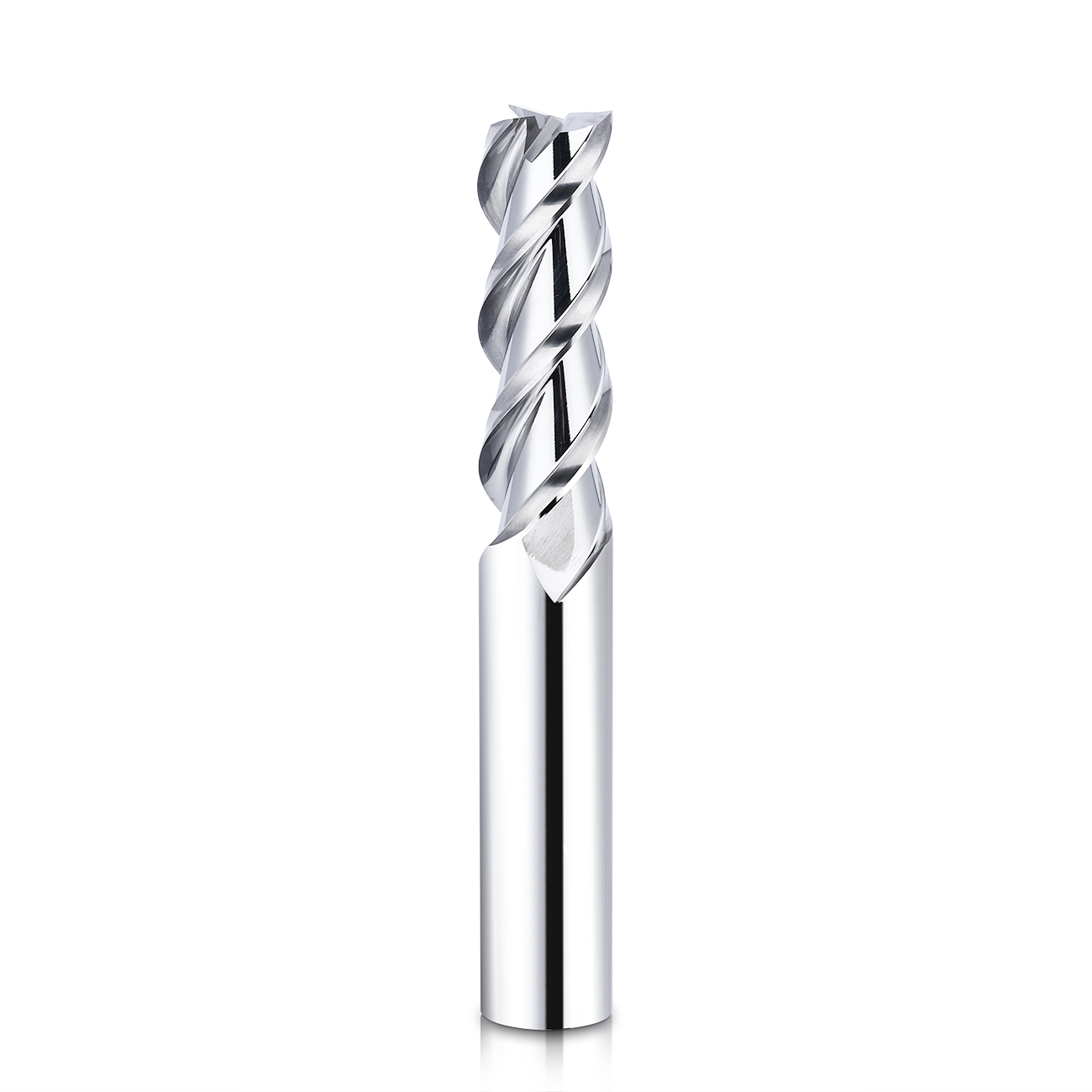
Use a Polished Flute Surface
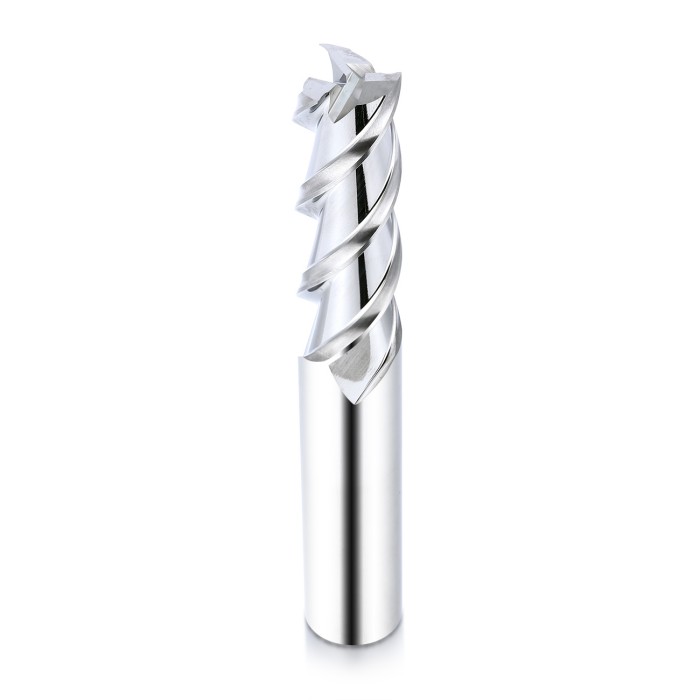
A polished flute surface can help chips move out more smoothly and reduce the tendency of material to adhere to the flute.
Match the Cutter to the Machining Task
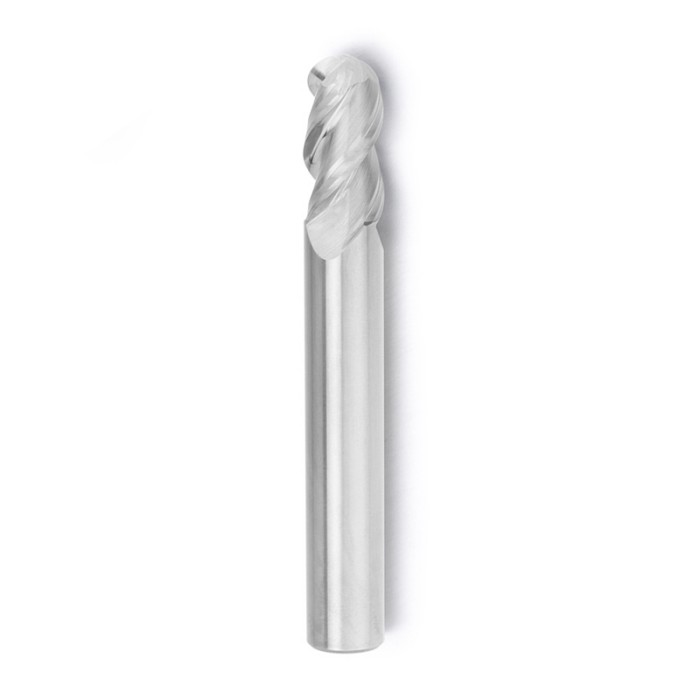
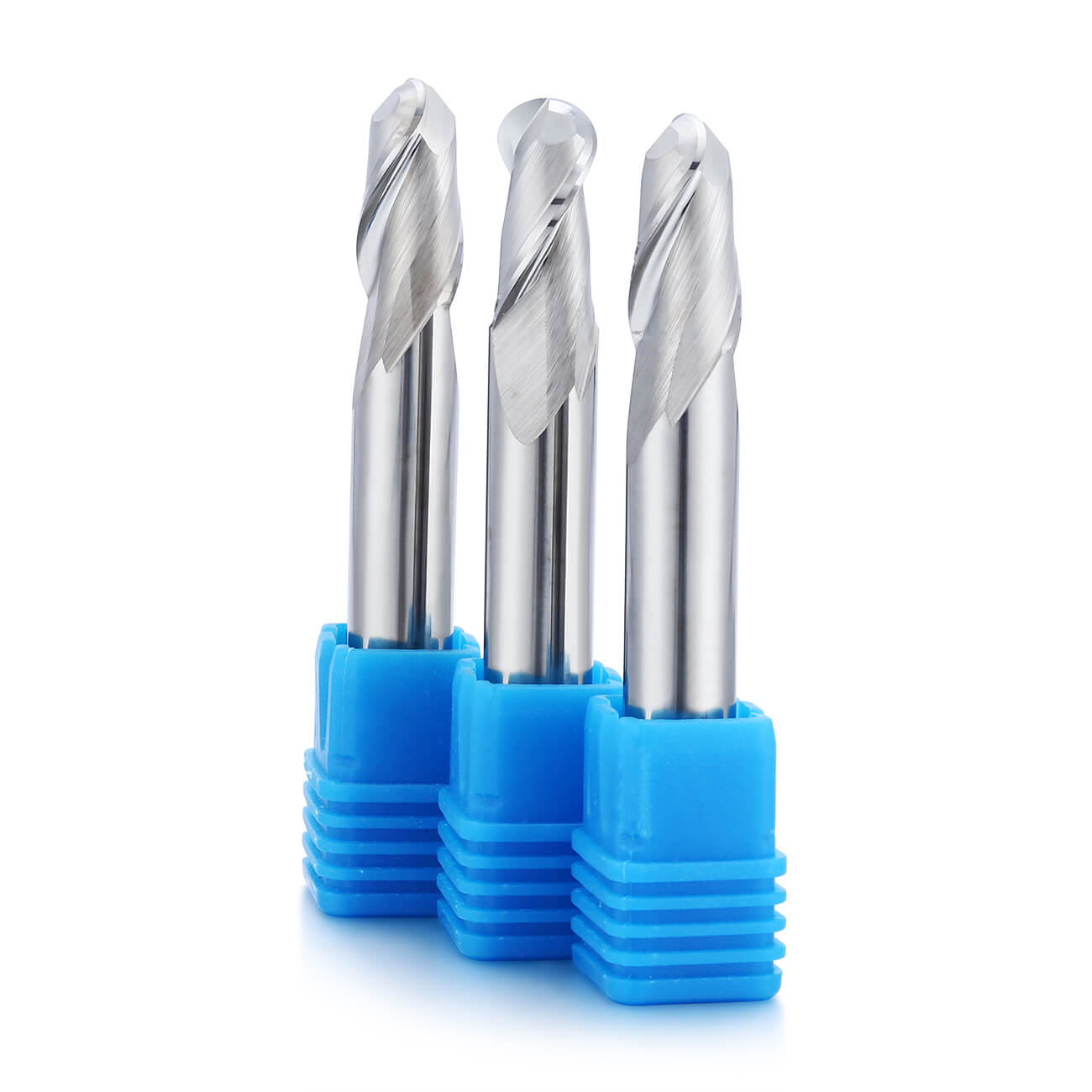
Different operations may need different cutter types. For general side milling and slotting, a square end mill is often practical. For contouring and curved surfaces, a ball nose end mill for aluminum may be more suitable.
Control Heat and Cutting Stability
Reducing unnecessary heat buildup and maintaining stable cutting conditions can help reduce aluminum adhesion. Tool choice, cutting path, and setup stability all play a role.
Which End Mill Types Are Better for Aluminum Adhesion Problems
Not all cutter types behave the same way in aluminum machining. When adhesion is a concern, tool design becomes especially important.
Square End Mills
A square end mill for aluminum is often suitable for slotting, side milling, and profile machining. If designed for aluminum, it can provide better chip control and cleaner cutting.
Ball Nose End Mills
A ball nose end mill for aluminum is often used for contours, cavities, and curved surfaces where geometry control is important.
High Polished End Mills
A high polished end mill for aluminum is often preferred when chip flow and cleaner cutting are priorities. This type of tool can be especially useful when trying to reduce material adhesion in high-speed machining.
If you want a more detailed comparison of cutter tip shapes, see our article on square end mill vs ball nose end mill for aluminum.
Why Tool Selection Matters in 6061 and Other Aluminum Alloys
Even though some aluminum alloys are considered easy to machine, sticking can still happen if the cutter is not suitable for the material and operation. This is one reason why tool selection matters not only in general aluminum machining, but also in specific materials such as 6061 aluminum.
If you want a more material-specific guide, you can also read our article on the best end mill for 6061 aluminum.
Conclusion
Aluminum sticking to an end mill is usually caused by a combination of insufficient edge sharpness, poor chip evacuation, unsuitable flute geometry, and unstable cutting conditions. Once adhesion begins, it can affect finish quality, burr control, and overall tool performance.
The best way to reduce this problem is to choose a cutter designed for aluminum, improve chip flow, and match the tool to the actual machining task. In many cases, polished flute designs and dedicated aluminum cutter geometry can make a clear difference in cutting stability.
If you are comparing tooling options, exploring a complete End Mill for Aluminum range can help you find a more suitable cutter for reducing adhesion and improving machining performance.
FAQ
Why does aluminum stick to an end mill?
Aluminum may stick to an end mill because of insufficient edge sharpness, poor chip evacuation, unsuitable flute geometry, or excessive heat during cutting.
What is built-up edge in aluminum machining?
Built-up edge is material that adheres to the cutting edge during machining. It can reduce cutting quality and affect finish, burrs, and tool performance.
How can I stop aluminum from sticking to my cutter?
Using a sharp tool designed for aluminum, improving chip evacuation, and choosing a polished flute design can help reduce adhesion.
Are polished flute end mills better for aluminum?
In many cases, yes. A polished flute surface can improve chip flow and reduce the chance of aluminum sticking to the flute.
Does flute count affect aluminum sticking?
Yes. Flute count can affect chip evacuation, which is one of the key factors related to aluminum adhesion during machining.
Looking for the Right Cutter for Aluminum Machining?
Explore our End Mill for Aluminum range to compare square end mills, ball nose end mills, and high polished tools for different CNC applications.
Contact us for product recommendations and custom tool solutions.