


Get In Touch
Do you have a questions or an issues we can help you with?
Let’s talk about your project and how Dohre can help get your tools designed, manufactured and ready for the market.


Reading volume: 1513

Release time :2026-04-07
Estimated reading time:
Square end mills and ball nose end mills serve different purposes in aluminum machining. The right choice depends on whether the part requires flat surfaces, defined edges, curved contours, or smoother 3D finishing.
Square end mills and ball nose end mills are both widely used in aluminum machining, but they are designed for different cutting tasks. This guide explains the differences between the two tool types, their common applications, and how to choose the right cutter for better machining results.
When machining aluminum, tool selection affects not only cutting efficiency, but also chip evacuation, surface finish, and geometry control. If you are comparing different cutter options, it is useful to explore a dedicated end mill for aluminum range before choosing the most suitable type.
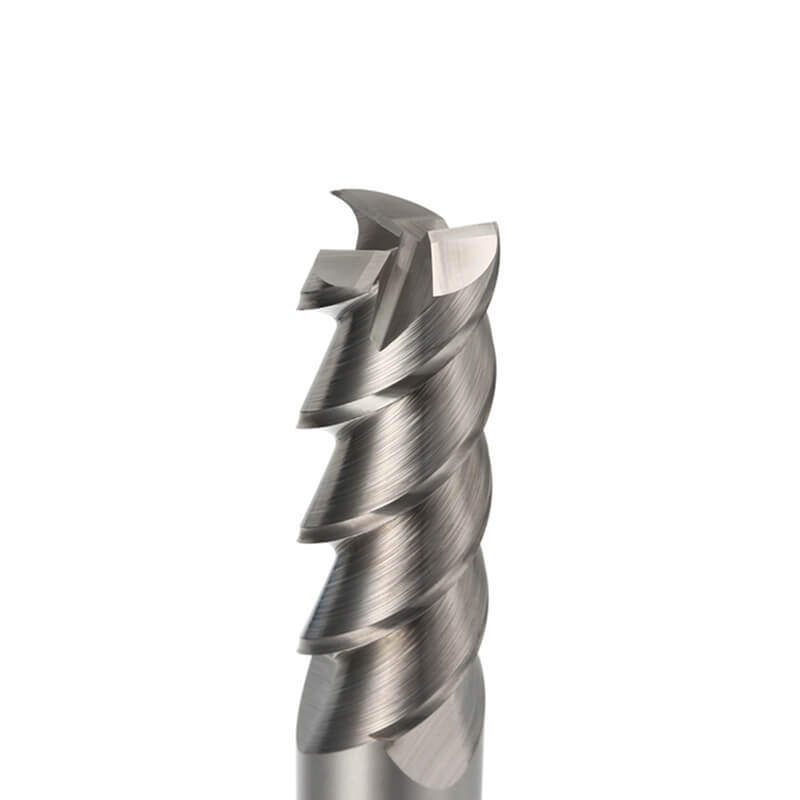
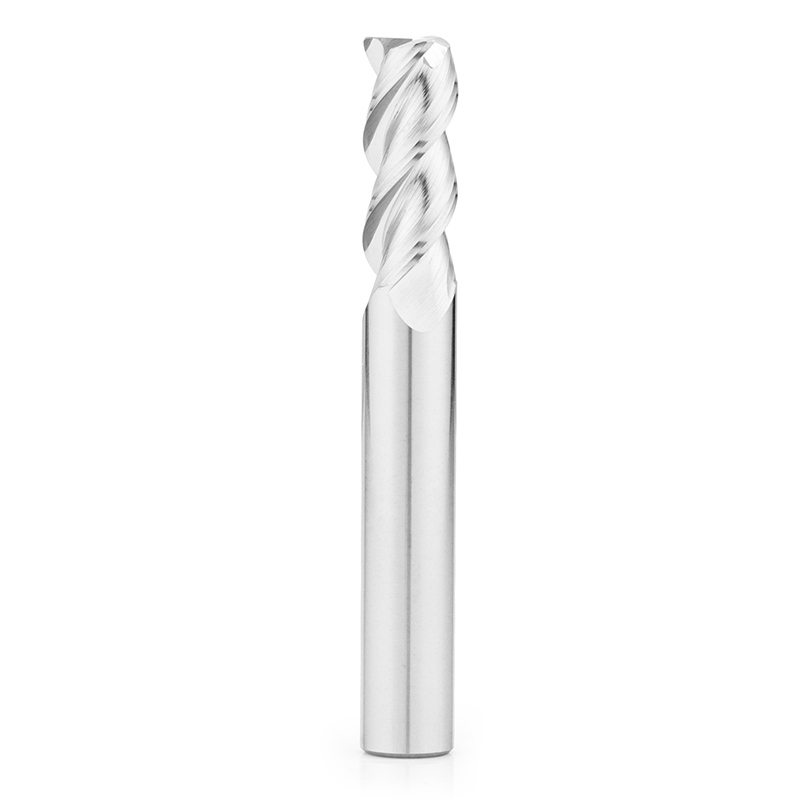
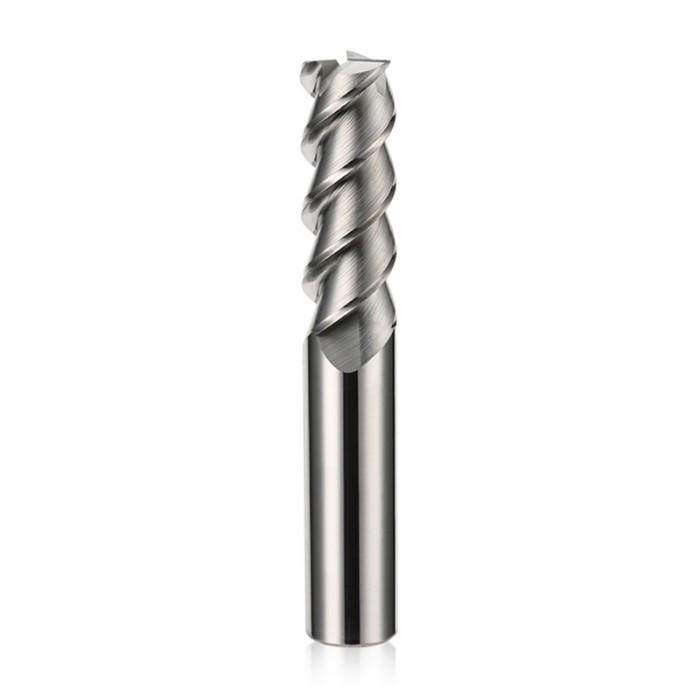
A square end mill has a flat cutting end with sharp corners. In aluminum machining, it is one of the most common tool types because it is suitable for many general CNC operations.
A square end mill for aluminum is often used for slotting, side milling, profile machining, and general cutting work where flat surfaces and defined edges are required.
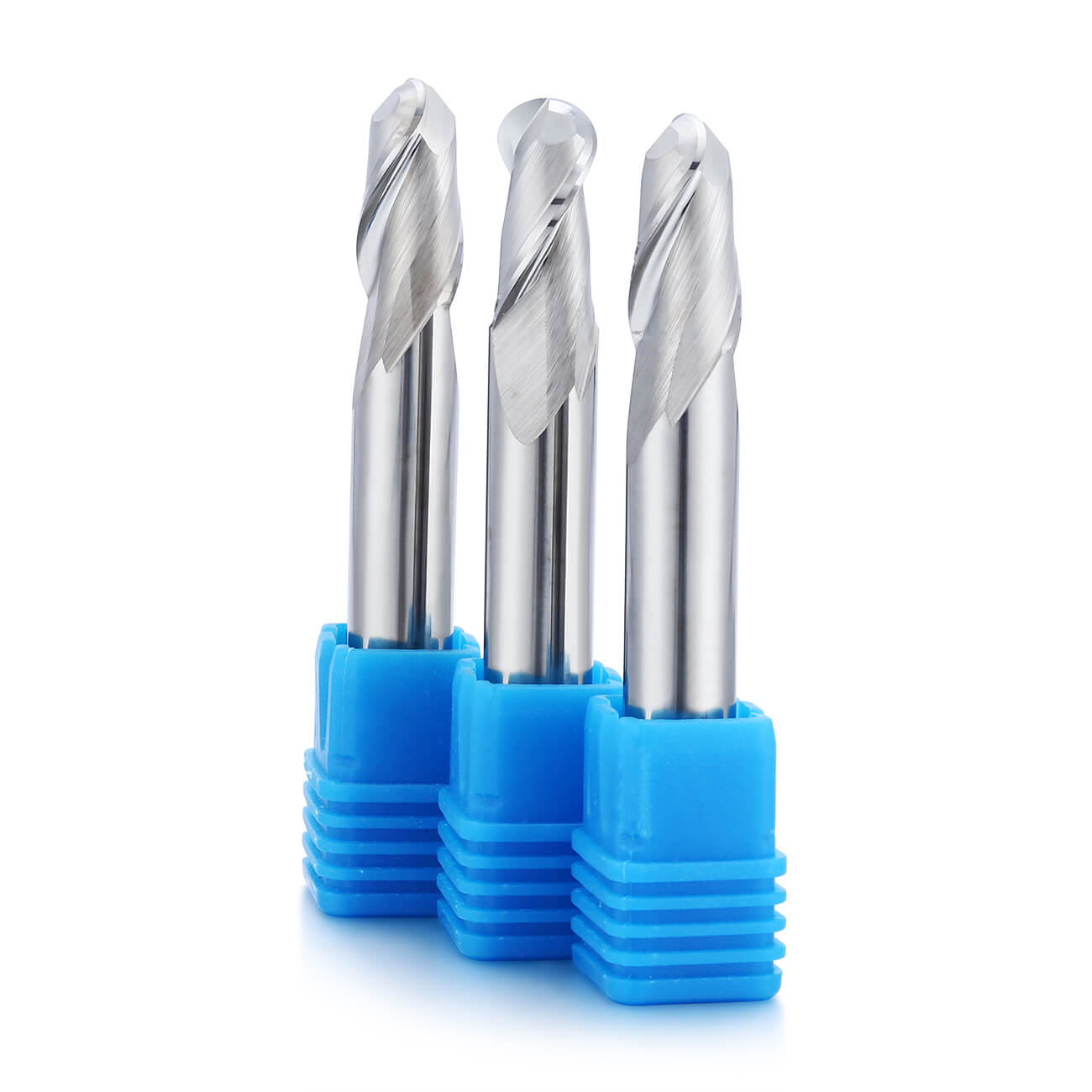
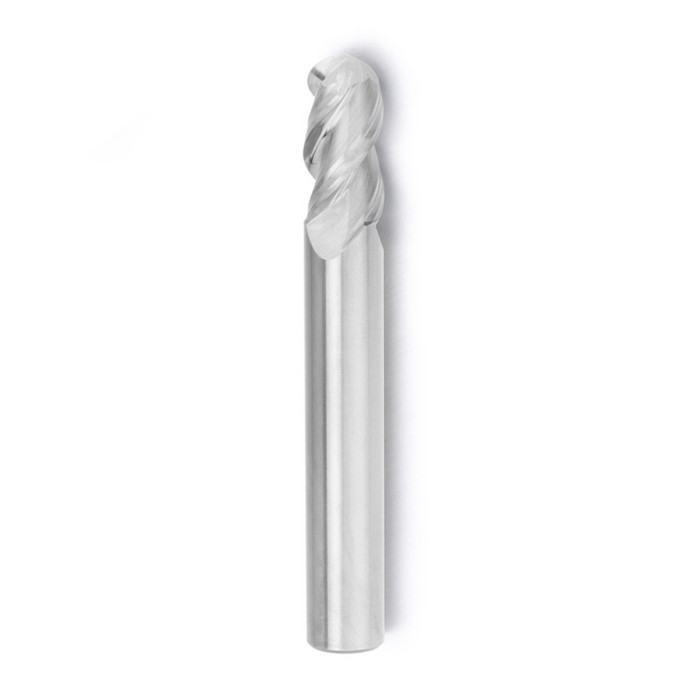
A ball nose end mill has a rounded cutting tip. This design makes it more suitable for contouring, curved surfaces, 3D profiles, and cavity finishing.
A ball nose end mill for aluminum is often selected when the workpiece includes arcs, smooth transitions, or shaped geometries that are difficult to machine with a flat-end cutter.
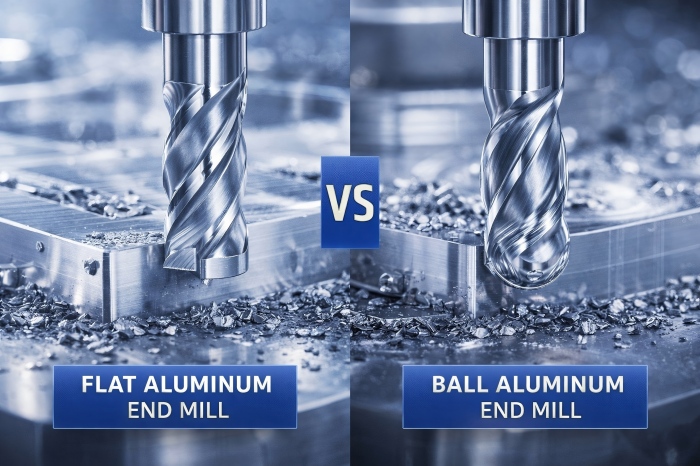
The most direct difference is the cutter tip shape. A square end mill has a flat end, while a ball nose end mill has a rounded end. This difference affects the type of surface the tool can machine and the kind of geometry it is best suited for.
In practical CNC machining, square end mills are usually preferred for flat surfaces, slots, and side walls, while ball nose end mills are more suitable for curved surfaces, contours, and 3D shapes.
A square end mill is often the better choice in operations where flat-bottom cuts, straight walls, and efficient general milling are required.
Square end mills are commonly used for slotting because their flat end can create a clear bottom surface and defined side walls.
For side cutting and profile machining, square end mills are practical because they support efficient material removal and common general-purpose operations.
When machining aluminum parts with simple or standard geometries, a square end mill is often the most direct and efficient choice.
A ball nose end mill is often the better option when the workpiece includes contours, curved surfaces, or cavity shapes that require smoother geometry control.
Ball nose end mills are widely used in contour milling because their rounded tip helps produce smooth transitions in curved shapes.
For cavities and internal curved surfaces, a ball nose end mill is often more suitable than a square end mill.
In aluminum parts with complex surfaces, ball nose end mills can help achieve more natural curves and smoother shape transitions.
The answer depends on the machining task.
For flat surfaces and straight side walls, a square end mill often gives a more suitable result because its cutter shape matches that geometry directly. For curves, arcs, and contour surfaces, a ball nose end mill often gives a better finish because its rounded tip follows the shape more naturally.
So neither tool is always better in every situation. Surface finish depends on how well the cutter type matches the required part geometry.
In aluminum machining, chip evacuation is always important. Both square end mills and ball nose end mills can perform well, but their cutting behavior may differ depending on flute design, tool geometry, and the machining path.
For general cutting and side milling, square end mills are often used more often because they support efficient material removal in common machining tasks. Ball nose end mills are usually selected not because they evacuate chips better in every situation, but because they are necessary for specific geometries. When multiple cutter types are required, an ATC CNC machine can automatically switch tools to improve machining efficiency.
If chip control is one of your main concerns, you can also read our guide on 2 flute vs 3 flute end mills for aluminum.
The right choice depends on the part shape and machining purpose.
If you want a broader guide to aluminum tool selection, you can also read our article on the best carbide end mill for aluminum.
•you need flat-bottom cuts
•you are slotting or side milling
•the part geometry is mostly straight or flat
•you want a practical tool for general aluminum machining
•you need contour milling
•the part has curved surfaces or cavities
•you are machining 3D shapes
•the workpiece requires smoother transitions in surface geometry
Square end mills and ball nose end mills are both important in aluminum machining, but they serve different purposes. A square end mill is often the better option for slotting, side milling, and general machining, while a ball nose end mill is usually more suitable for contours, curved surfaces, and cavity finishing.
The right choice depends on the geometry of the part, the machining operation, and the surface finish requirement. Instead of asking which one is always better, it is more useful to ask which cutter type matches the actual CNC task.
If you are comparing tool options, reviewing a complete End Mill for Aluminum range can help you choose the right cutter more efficiently for your application.
What is the difference between a square end mill and a ball nose end mill?
A square end mill has a flat cutting end, while a ball nose end mill has a rounded tip. This difference affects the type of geometry each tool is best suited to machine.
When should I use a square end mill for aluminum?
A square end mill is often used for slotting, side milling, flat surfaces, and general aluminum machining.
When should I use a ball nose end mill for aluminum?
A ball nose end mill is often used for contour milling, cavities, curved surfaces, and 3D aluminum parts.
Which end mill is better for surface finish in aluminum?
It depends on the geometry. Square end mills are usually better for flat surfaces, while ball nose end mills are better for curved and contoured surfaces.
Can I use both square and ball nose end mills in the same aluminum part?
Yes. In many CNC applications, both cutter types may be used on the same part for different machining tasks.
Explore our End Mill for Aluminum range to compare square end mills, ball nose end mills, and other aluminum cutting tools for different CNC applications.
Contact us for product recommendations and custom tool solutions.
Do you have a questions or an issues we can help you with?
Let’s talk about your project and how Dohre can help get your tools designed, manufactured and ready for the market.
By continuing to use the site you agree to our privacy policy Terms and Conditions.