+86 18068787495
[email protected]
English
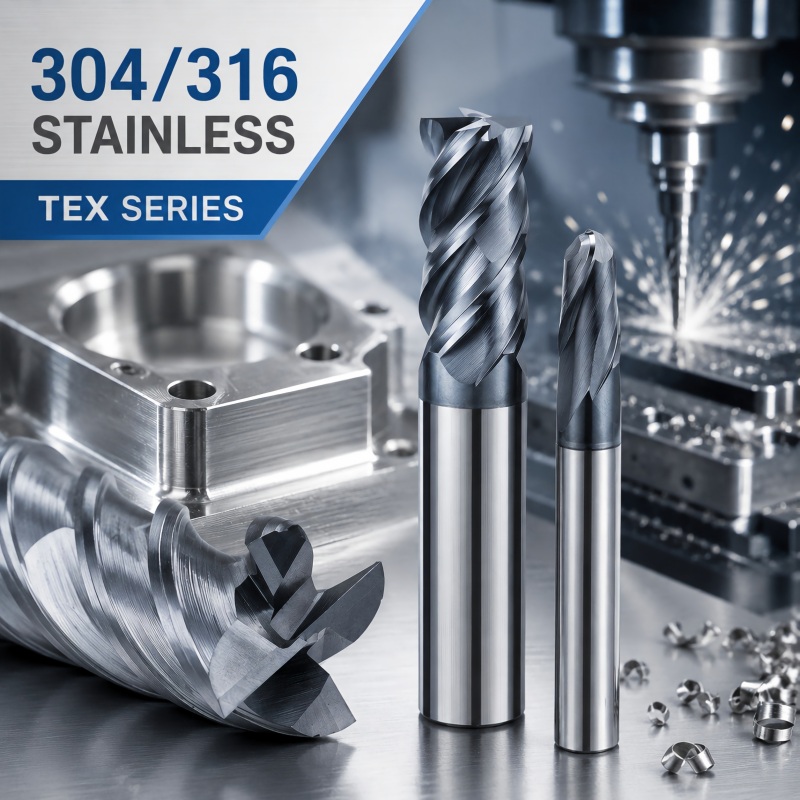
Master 304 & 316 stainless steel machining with the TEX Series solid carbide end mills. Engineered with AlCrN heat-resistant coatings, sub-micron carbide substrates, and anti-vibration geometries to eliminate work hardening, suppress chatter, and dramatically extend tool life in tough alloys. Contact Dohre CNC Tools for a custom quote today!
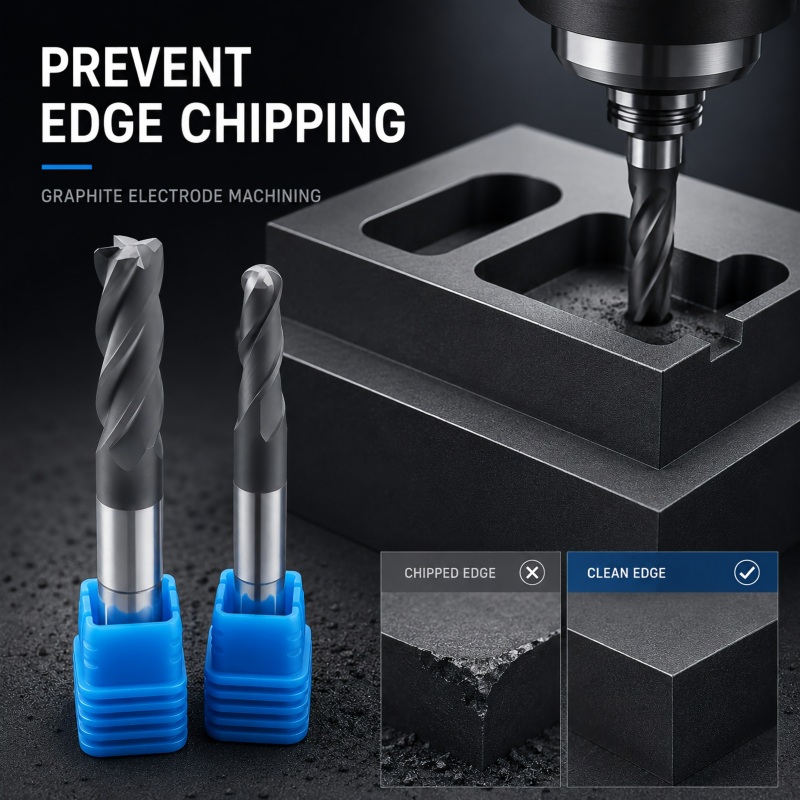
Learn how to prevent edge chipping in graphite electrode machining. Optimize diamond-coated tools, CAM toolpaths, and parameters. Contact Dohre today!
Discover high-precision, AS9100-certified CNC tools engineered for aerospace machining. Protect high-value titanium and nickel alloy parts with advanced carbide end mills, zero-defect process control, and full supply chain traceability. Get a custom quote today!
Learn how to choose a reliable CNC tool manufacturer from China. Audit factories, verify carbide quality, and avoid hidden costs. Contact Dohre today!
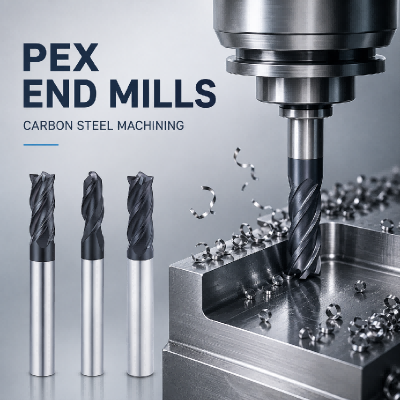
Discover how PEX end mills optimize carbon steel machining. Boost material removal rates, prevent thermal shock, and extend tool life. Contact Dohre today!
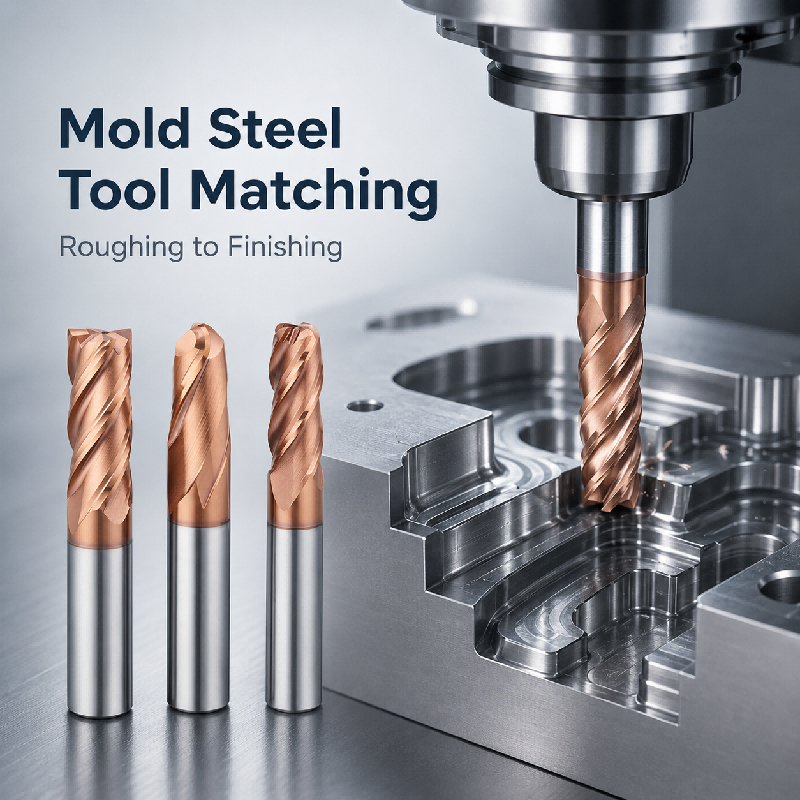
Learn how to select and match milling tools for mold steel roughing and finishing. Discover expert strategies on tool geometry, coatings, and overhang control to prevent tool wear and improve surface finish.
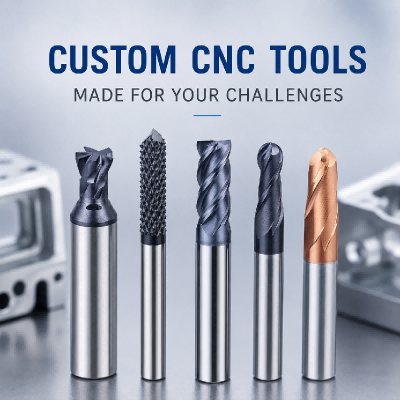
Discover when to choose custom CNC tools over standard catalog items. Learn how tailored geometries, optimized coatings, and specialized designs eliminate manufacturing bottlenecks.
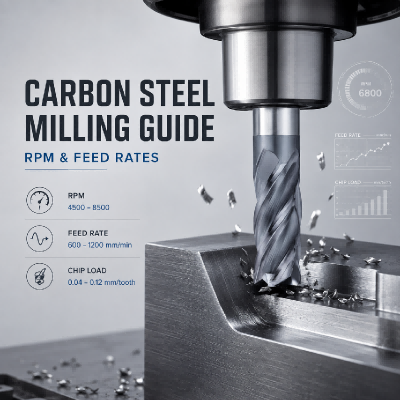
Master carbon steel milling with our technical guide. Learn how to balance RPM, feed rates, chip loads, and advanced tool selections to optimize CNC machining efficiency.
Micro flat end mills are used for narrow slots, small cavities, flat-bottom features, precision shoulders, connector details, and other fine CNC structures where standard-size cutters cannot reach. Choosing the right cutter requires more than matching the diameter to the drawing: flute length, neck clearance, tool overhang, runout, workpiece material, and finishing strategy all affect machining accuracy and tool life.
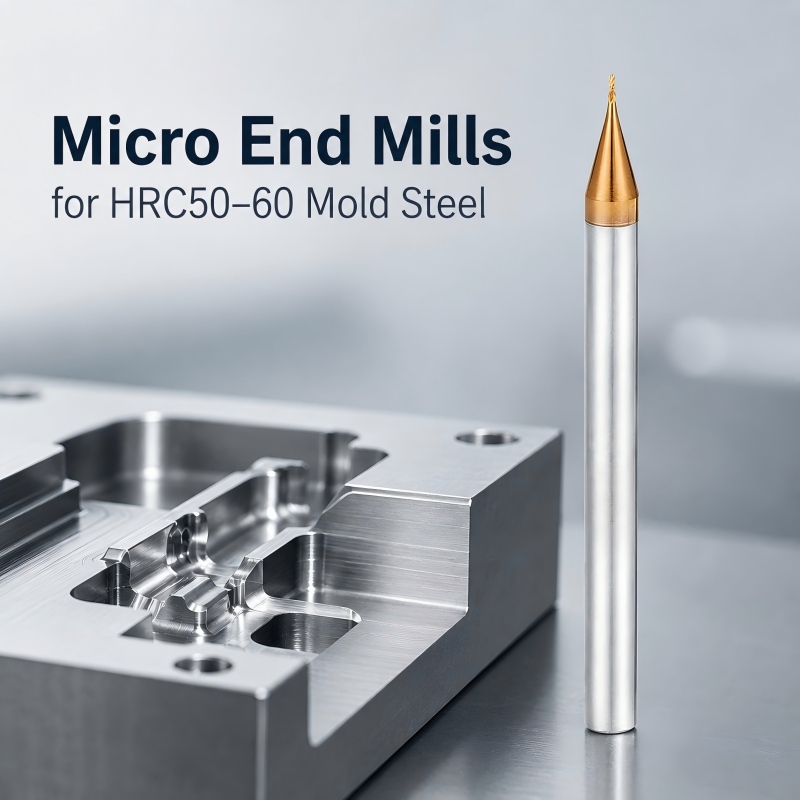
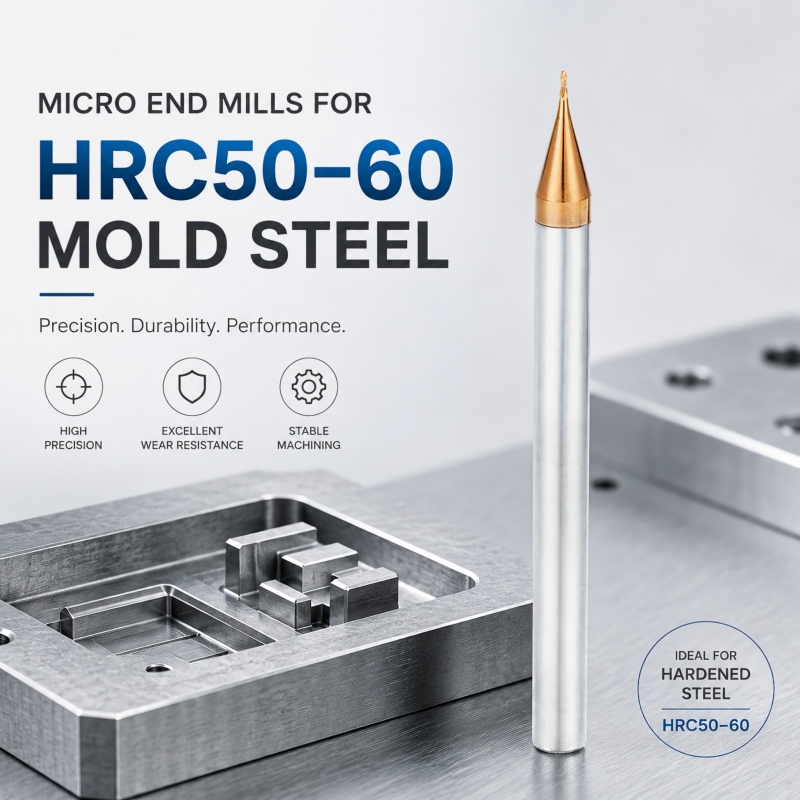
Micro-milling HRC50–60 mold steel requires a careful balance between tool rigidity, cutting-edge strength, wear resistance, chip evacuation, and feature access. This guide explains how to select the cutter diameter, flute count, cutting length, neck structure, coating, and machining strategy for small mold cavities, narrow slots, fine ribs, internal corners, and other precision features.
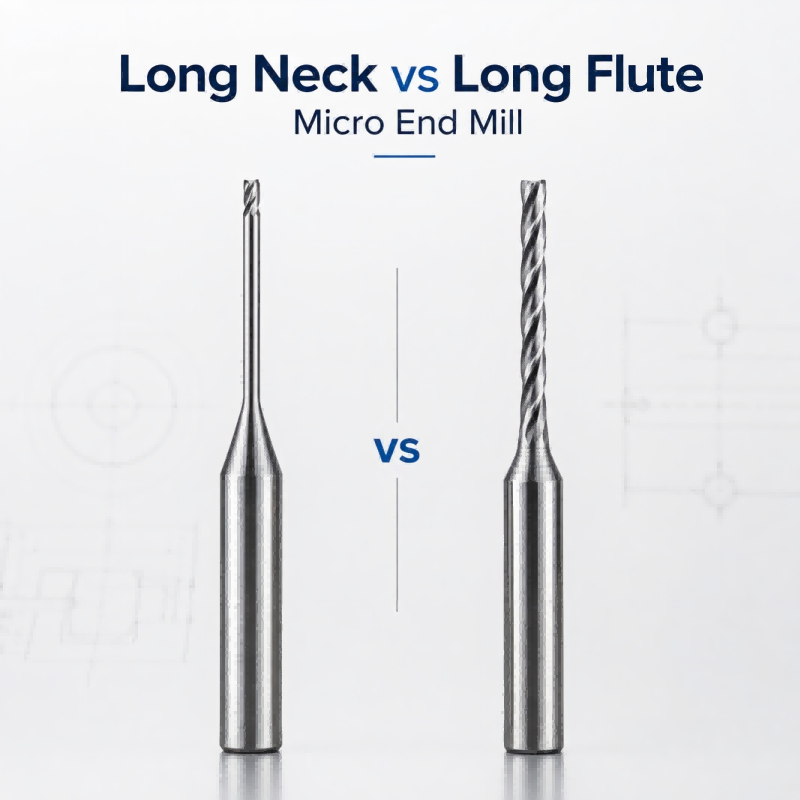
Long-neck and long-flute micro end mills can both reach deep slots, cavities, mold ribs, and restricted features, but they serve different purposes. A long-flute tool provides a longer active cutting edge for machining deep walls, while a long-neck tool uses a reduced-diameter clearance section to reach recessed areas with a shorter cutting edge. This guide explains how to choose between them based on active cutting depth, required clearance, rigidity, chip evacuation, and tool overhang.
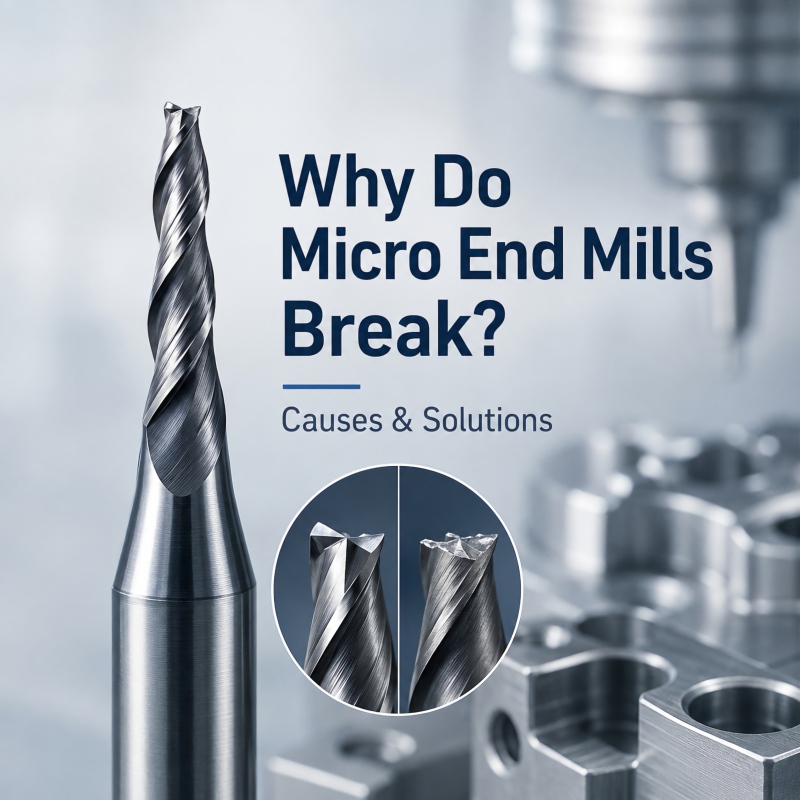
Micro end mills can break because of runout, excessive tool reach, chip congestion, unstable entry, incorrect cutting load, or a cutter that does not match the workpiece material. This guide explains how to identify the actual cause of micro-tool failure and improve machining stability without simply reducing every cutting parameter.
Contact Us
*We respect your privacy. When you submit your contact information, we agree to only contact you in accordance with our Privacy Policy.
By continuing to use the site you agree to our privacy policy Terms and Conditions.