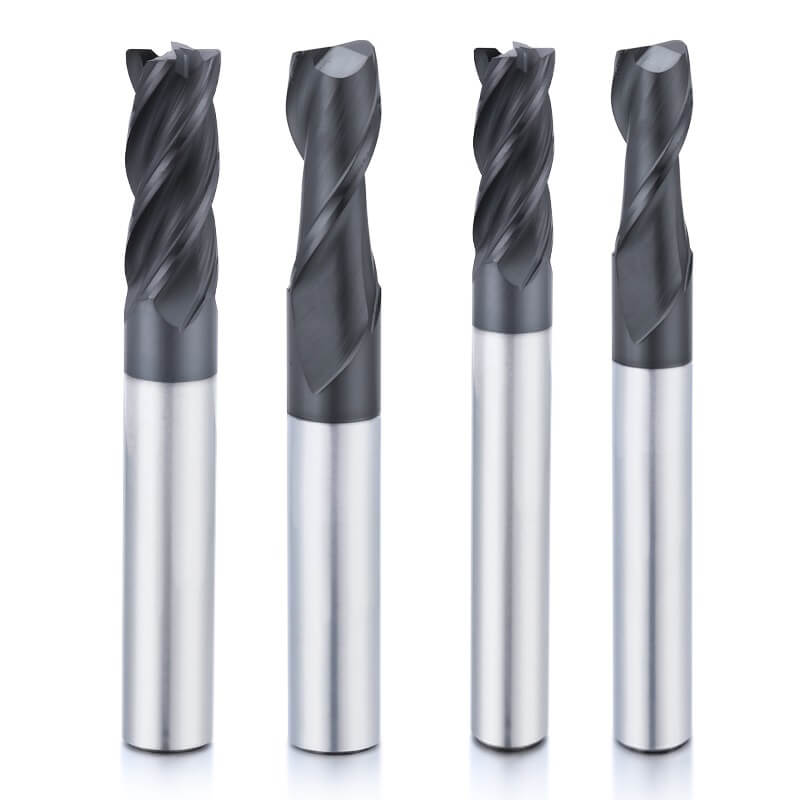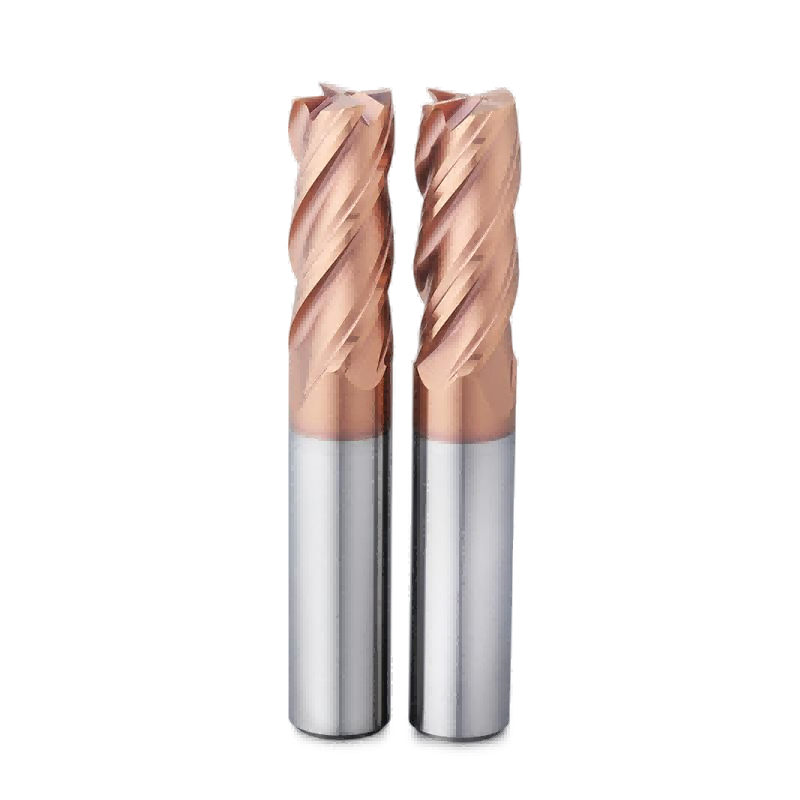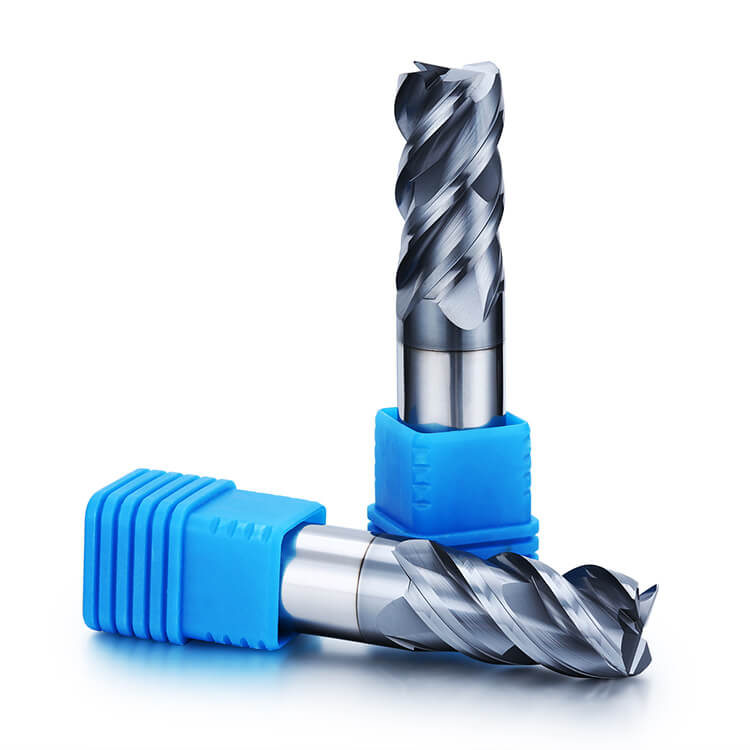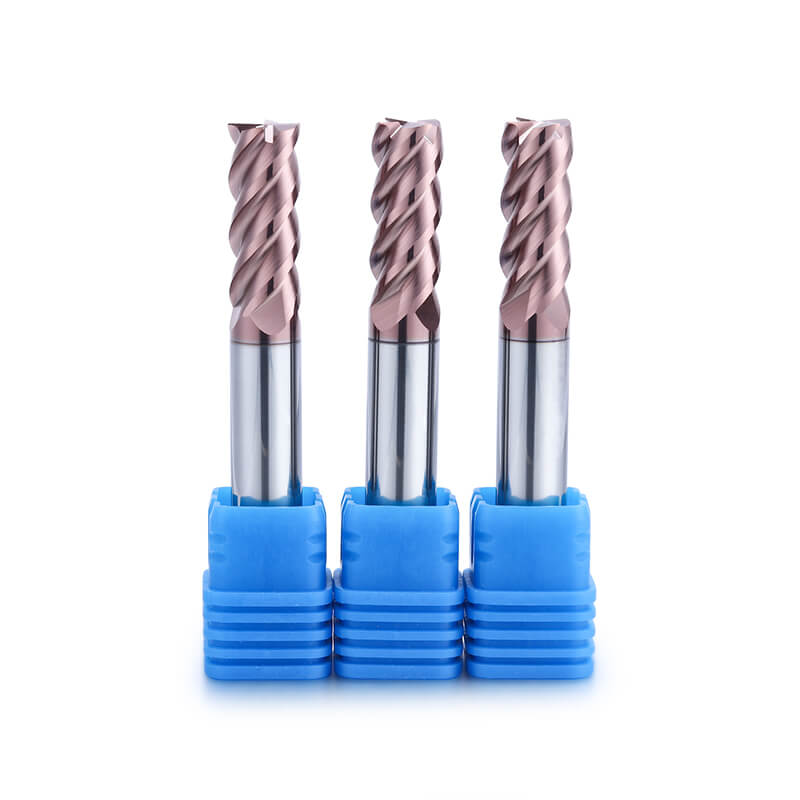
Dohre’s K Series carbide inserts are engineered specifically for turning cast iron, utilizing abrasion-resistant carbide grades that deliver significantly longer tool life compared with inserts designed for other materials. Their positive rake geometry allows the insert to extend forward from the holder, providing better tool access and enabling machining in tight or complex areas of the workpiece.
Performance & Functional Advantages
The K Series is optimized for both continuous and semi-interrupted cutting conditions, making these inserts ideal for cast-iron components that are not perfectly round, such as shafts with keyways or parts with interrupted surfaces. Their edge design improves chip flow, maintains consistent cutting forces, and enhances stability, resulting in smoother machining and extended insert durability.
Dohre’s Manufacturing Quality
Dohre produces K Series inserts using high-hardness carbide substrates and precision CNC pressing and grinding processes to ensure edge strength, uniformity, and wear resistance. Each insert undergoes controlled coating application and dimensional inspection to guarantee reliable performance under abrasive cast-iron cutting conditions.
Material Compatibility
K Series inserts are tailored for ISO K materials, including gray cast iron, ductile cast iron, and compacted graphite iron. They maintain strong wear resistance and predictable cutting behavior at high temperatures and resist the brittleness challenges typically faced when machining cast iron.
Engineered to maintain tight tolerances, ensuring accurate and reliable performance in all machining operations.
Excellent Wear Resistance
Made from premium carbide with advanced coatings, providing long-lasting durability and reduced tool wear.
Superior Heat Resistance
Capable of withstanding high temperatures during high-speed cutting, ensuring stable performance under demanding conditions.
Versatile Applications
Suitable for a wide range of materials including steel, stainless steel, cast iron, aluminum, and high-temperature alloys.
Cnc Inserts FAQ
What is a K Series insert for cast iron?
A K Series insert is a carbide insert designed for ISO K cast iron machining. It is suitable for turning gray cast iron, ductile cast iron, compacted graphite iron, and other common cast iron materials in finishing, semi-finishing, and roughing applications.
Which cast iron materials can your K Series inserts machine?
Our K Series inserts are suitable for gray cast iron, ductile cast iron, and compacted graphite iron. Different cast iron grades have different machining characteristics, so the right insert geometry and cutting conditions should be selected according to workpiece hardness, interruption level, and productivity target.
Why do cast iron applications need dedicated K Series inserts?
Cast iron contains abrasive constituents and usually generates short chips, which place special demands on insert wear resistance and edge stability. K Series inserts are designed to provide stronger wear resistance, stable cutting forces, and more reliable performance in cast iron turning applications.
Should I choose a positive or negative insert for cast iron turning?
Positive inserts are usually a better choice when lower cutting forces, better tool access, or lighter cutting conditions are needed. Negative inserts are generally preferred when stronger cutting edges and better stability are required, especially in roughing or interrupted cast iron machining.
Can K Series inserts handle continuous and semi-interrupted cutting?
Yes, K Series inserts are suitable for both continuous and semi-interrupted cutting in cast iron. They are especially practical for cast iron components with interrupted surfaces, keyways, or uneven profiles where stable chip flow, edge strength, and predictable wear behavior are important.
Why choose DOHRE CNC as your K Series insert manufacturer?
DOHRE CNC is a professional carbide insert manufacturer providing K Series inserts for cast iron turning applications. We combine high-hardness carbide substrates, precision CNC pressing and grinding, controlled coating quality, and strict dimensional inspection to support stable wear resistance, consistent edge quality, and reliable machining performance in ISO K materials.