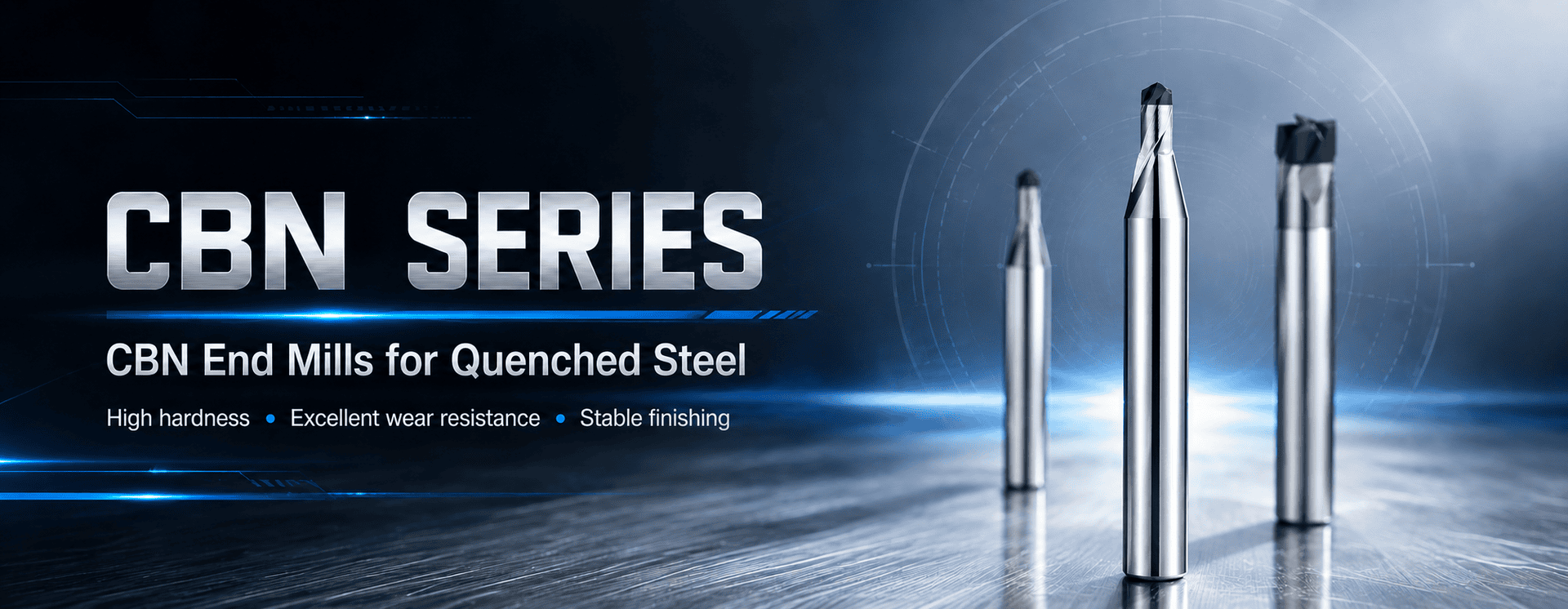
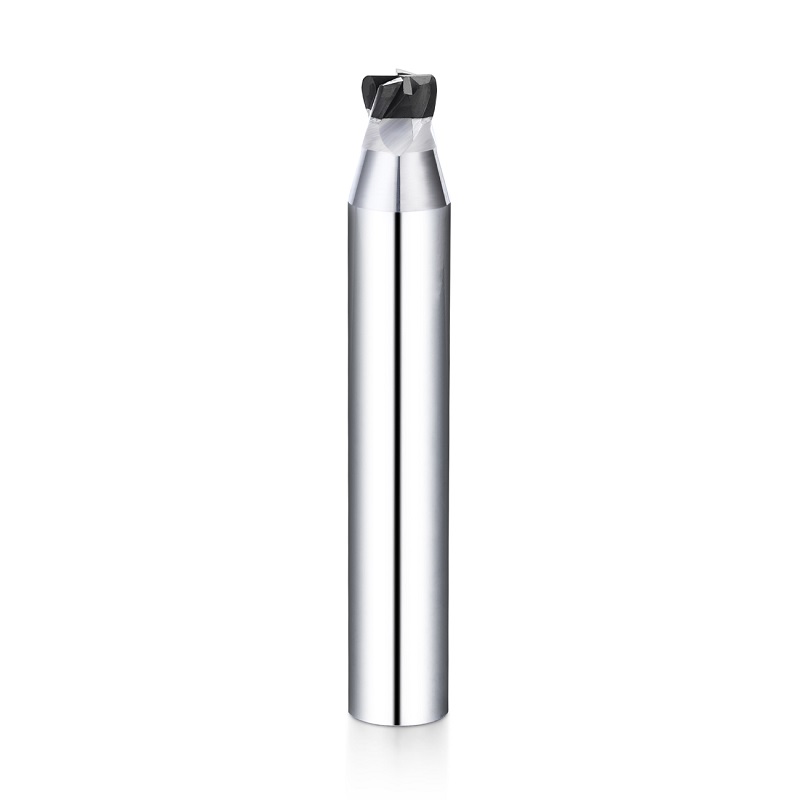
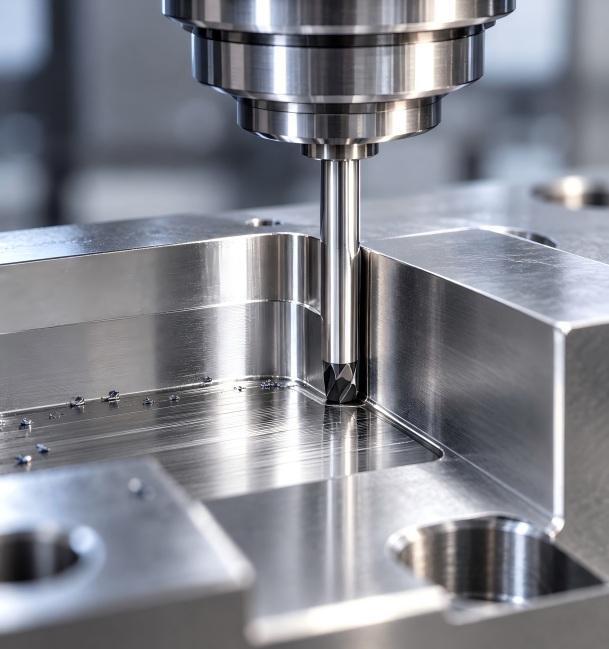
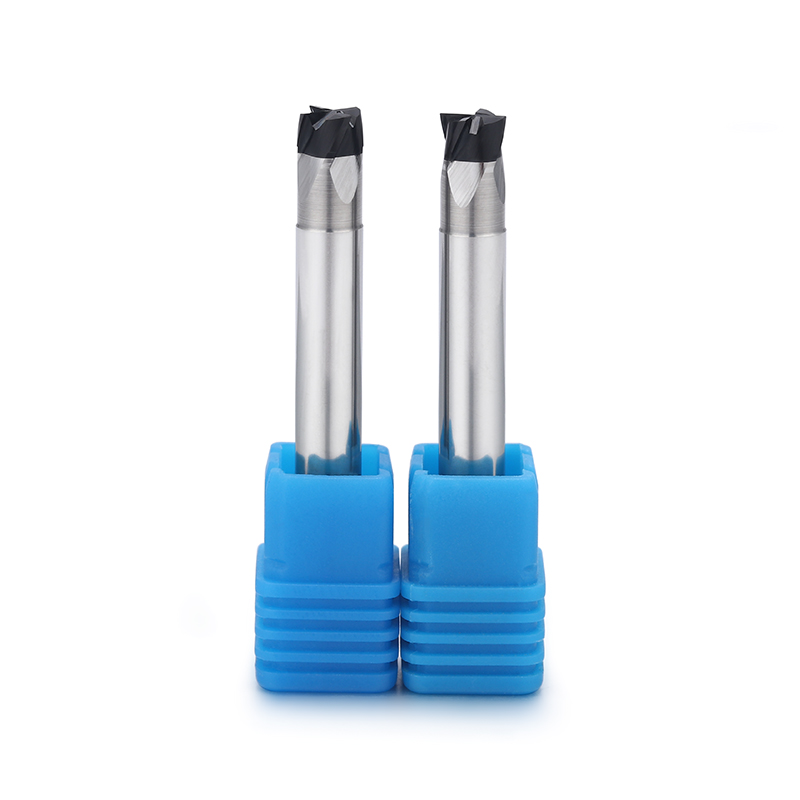
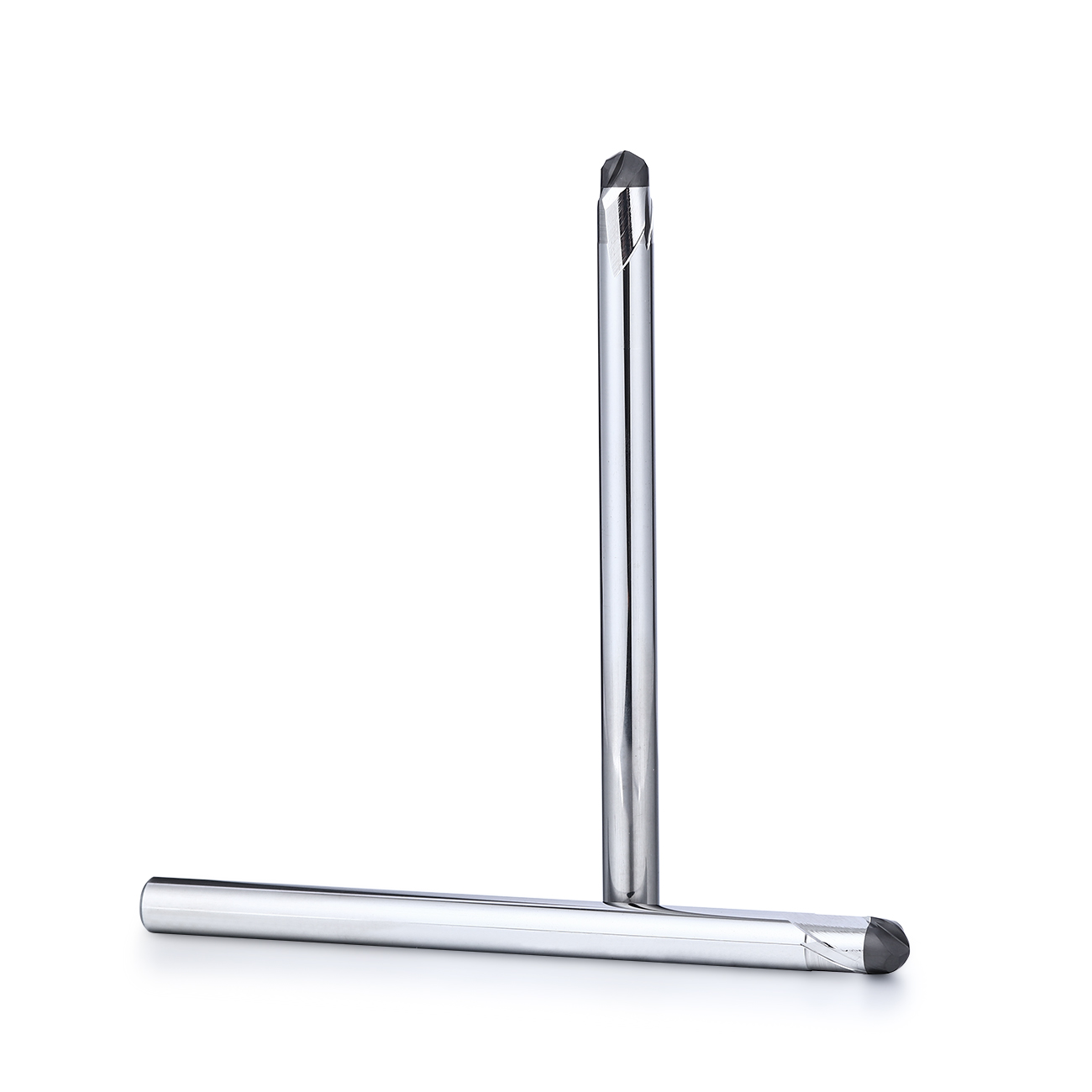
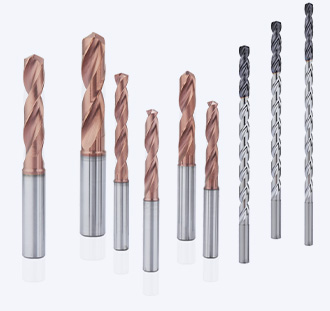
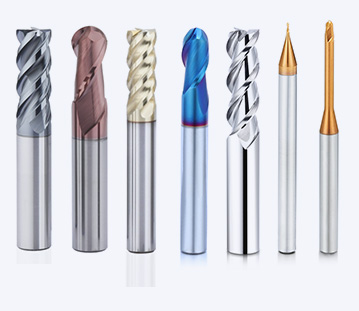
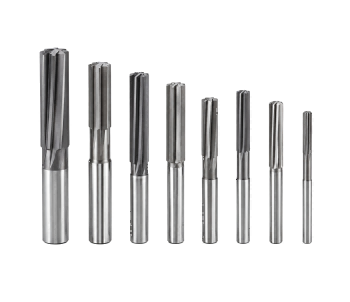
CBN end mills are mainly used for finishing HRC60+ hardened steel, quenched steel, hardened mold steel, and high-hardness die steel. Compared with ordinary carbide end mills, CBN tools provide higher wear resistance, better heat stability, and stronger dimensional consistency under suitable finishing conditions.
For mold and die manufacturers, CBN tools are especially useful when machining hardened materials after heat treatment. They help reduce tool wear, improve surface finish, and support stable long-cycle finishing in precision mold production.
DOHRE provides different CBN end mill geometries to match different machining requirements:
| CBN Tool Type | Best Used For | Typical Application |
|---|
| CBN Square End Mill | Flat surface, bottom surface, step face, sharp corner finishing | Flat mold areas, step profiles, precision inserts |
| CBN Ball Nose End Mill | 3D contour, curved surface, mold cavity finishing | Lens molds, headlamp molds, freeform surfaces |
| CBN Corner Radius End Mill | Side wall, shoulder, profile, and edge-protected finishing | Mold cavity walls, shoulders, steps, hardened profiles |
CBN tools are not used to replace carbide in every machining situation. They perform best when the workpiece hardness, finishing allowance, machine rigidity, tool holding, and cutting path are suitable for high-hardness finishing. For a broader comparison, you can read When Should You Use a CBN End Mill Instead of Carbide?
Choose the Right CBN End Mill Geometry
Choosing the correct CBN end mill geometry is important for tool life, surface finish, and dimensional accuracy. Square, ball nose, and corner radius tools are not used for the same machining purpose.
CBN Square End Mill
A CBN square end mill is suitable for flat surface finishing, bottom finishing, step face machining, straight side-wall finishing, and sharp corner finishing. It is the preferred choice when the workpiece requires a clear corner, flat bottom, or accurate step profile.
Recommended product:CBN Square End Mill for HRC60+ Hardened Steel
CBN Ball Nose End Mill
A CBN ball nose end mill is suitable for 3D contour finishing, curved surface machining, mold cavity finishing, and freeform profile machining. It is commonly used for precision mold surfaces, lens molds, automotive headlamp molds, and complex 3D profiles.
Recommended product:CBN Ball Nose End Mill for HRC60+ Hardened Steel Finishing
CBN Corner Radius End Mill
A CBN corner radius end mill is suitable for side-wall finishing, shoulder finishing, step machining, and profile finishing where stronger corner protection is needed. Compared with a sharp square edge, the corner radius design helps reduce cutting edge stress and lowers the risk of chipping.
Recommended product:CBN Corner Radius End Mill for Hardened Steel Finishing
For a more detailed comparison, see CBN End Mill for Hardened Steel: Square vs Ball Nose vs Corner Radius
NL900 CBN Material, Vacuum Brazing and Precision Grinding
DOHRE CBN end mills are developed around material stability, edge strength, brazing reliability, and grinding accuracy.
Self-Developed NL900 CBN Material
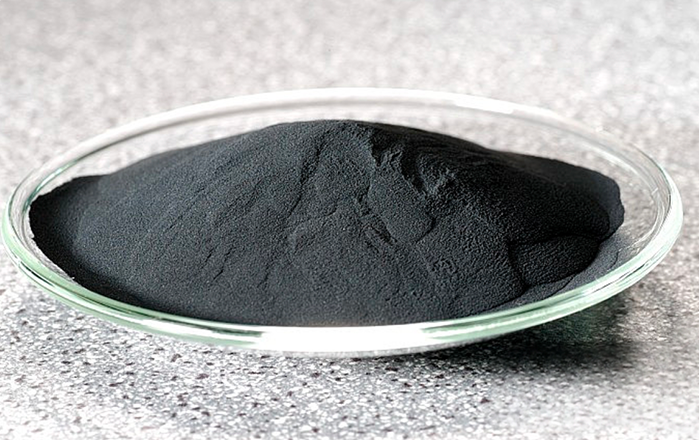
DOHRE uses self-developed NL900 CBN material for hardened steel finishing. The fine grain structure and high hardness help improve edge stability, wear resistance, and cutting consistency when machining HRC60+ hardened steel and quenched steel.
For users who want to understand CBN material selection more deeply, this article gives a broader explanation: A Guide to CBN End Mills: Materials
Vacuum Brazing for Stable Edge Bonding
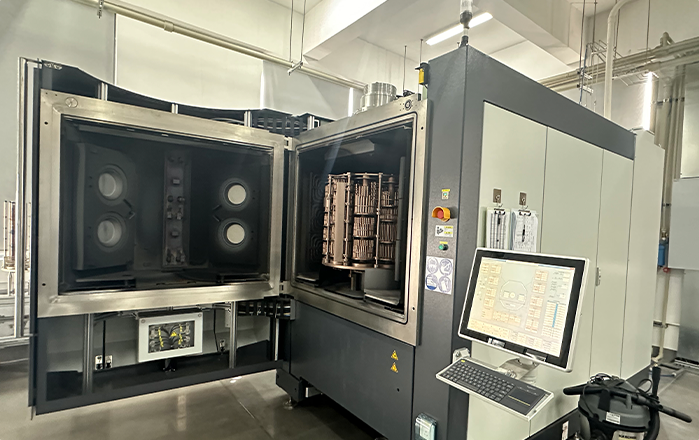
CBN cutting edges are joined to the tool body through a vacuum brazing process. Compared with ordinary brazing, vacuum brazing helps reduce oxidation, reduce insert deformation, and improve bonding strength between the CBN cutting part and the tool body.
Stable CBN edge bonding is important because cutting force, heat, vibration, and long-cycle finishing can directly affect tool life and surface quality in HRC60+ machining.
Dedicated CBN Grinding Process
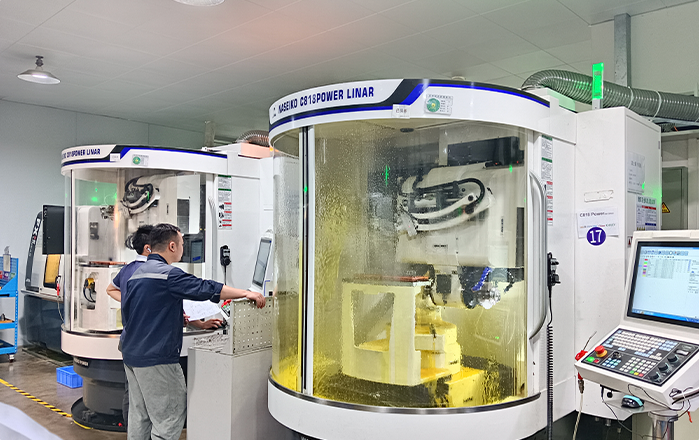
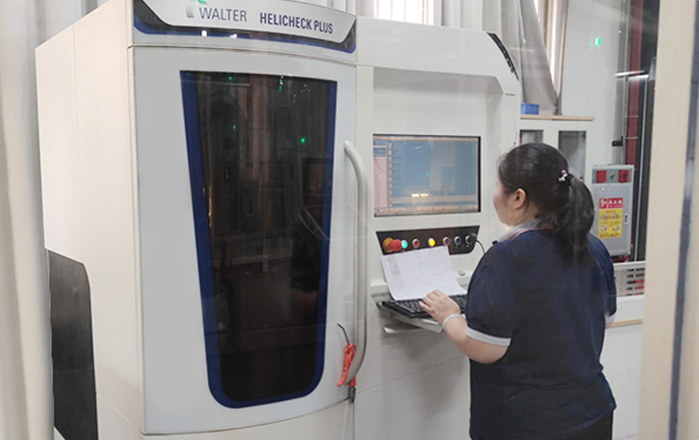
CBN tools require dedicated grinding processes and grinding wheels. DOHRE uses CBN-specific grinding methods to maintain sharp cutting edges, stable geometry, and consistent tool quality.
Reinforced Tool Geometry
Depending on the tool type, DOHRE CBN end mills can adopt reinforced core design, negative chamfer edge, precise radius control, and optimized flute geometry. These designs help improve rigidity, edge strength, and finishing stability under suitable machining conditions.
Applications for HRC60+ Hardened Steel and Quenched Steel
DOHRE CBN end mills are mainly used for finishing high-hardness ferrous materials after heat treatment.
Suitable materials include:
• HRC60+ hardened steel
• Quenched steel
• Hardened mold steel
• High-hardness die steel
• Heat-treated steel components
• Precision mold inserts
• Hardened cavities and profiles
Typical applications include:
• Precision mold cavity finishing
• 3D contour finishing
• Flat surface finishing
• Bottom surface finishing
• Side-wall finishing
• Shoulder and step machining
• Lens mold finishing
• Automotive headlamp mold finishing
• High-accuracy mold and die manufacturing
CBN tool selection should not depend only on the material name. The actual hardness, finishing allowance, machining stability, toolpath, and surface finish requirement should also be considered. For hardness selection, see What Hardness Range Is Suitable for a CBN End Mill?
If you are machining quenched steel parts, this guide can also help with tool selection: CBN End Mill for Quenched Steel: How to Choose the Right Tool