+86 18068787495
[email protected]
English
Learn how long reach end mills improve deep cavity machining in injection molds, including tool geometry, mold steel, cutting conditions, and common issues.
Learn the best practices and common mistakes when using coolant for stainless steel machining. Covers proper application, concentration control, chip evacuation, and how coolant works with carbide end mills to improve tool life and cutting performance.
Master high-speed milling for HRC 60–68 hardened steel. Learn how to control radial engagement, optimize tool geometry, and troubleshoot chip issues with Dohre HEX tools.
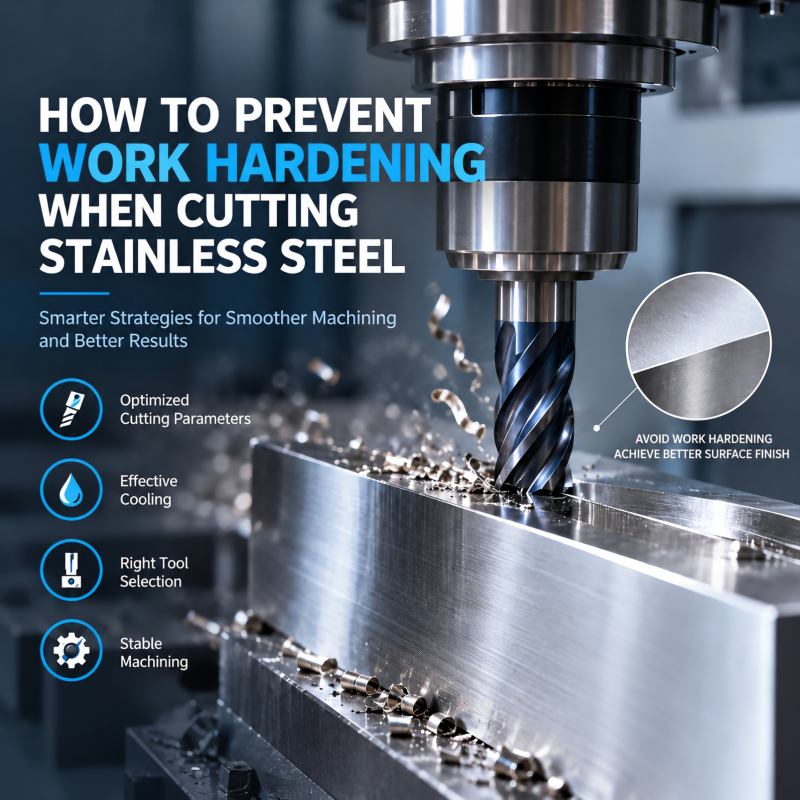
Prevent work hardening in stainless steel machining with effective feed rates, heat control, chip evacuation, and Dohre TEX high-performance end mills.
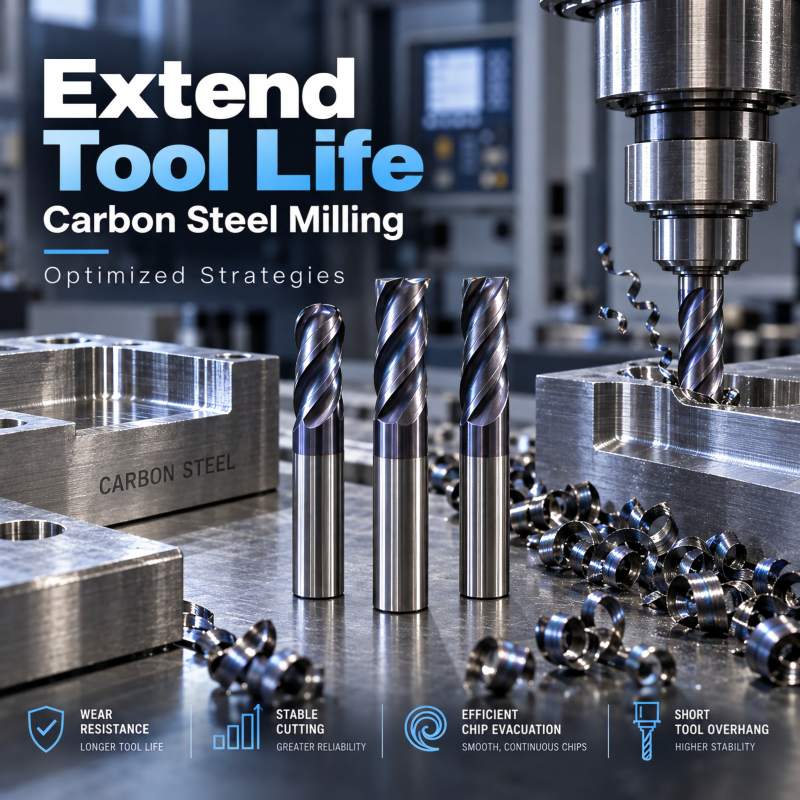
Maximize carbide end mill life in carbon steel milling. Discover how controlling heat, cutting parameters, tool geometry, and PEX coatings reduces wear and chipping.
Dohre CNC will participate in MAKTEK Eurasia 2026 in Istanbul, Turkey, from September 28 to October 3, 2026. Visit Hall 9 Booth 900C to discover our solid carbide end mills and customized cutting tool solutions for precision machining.
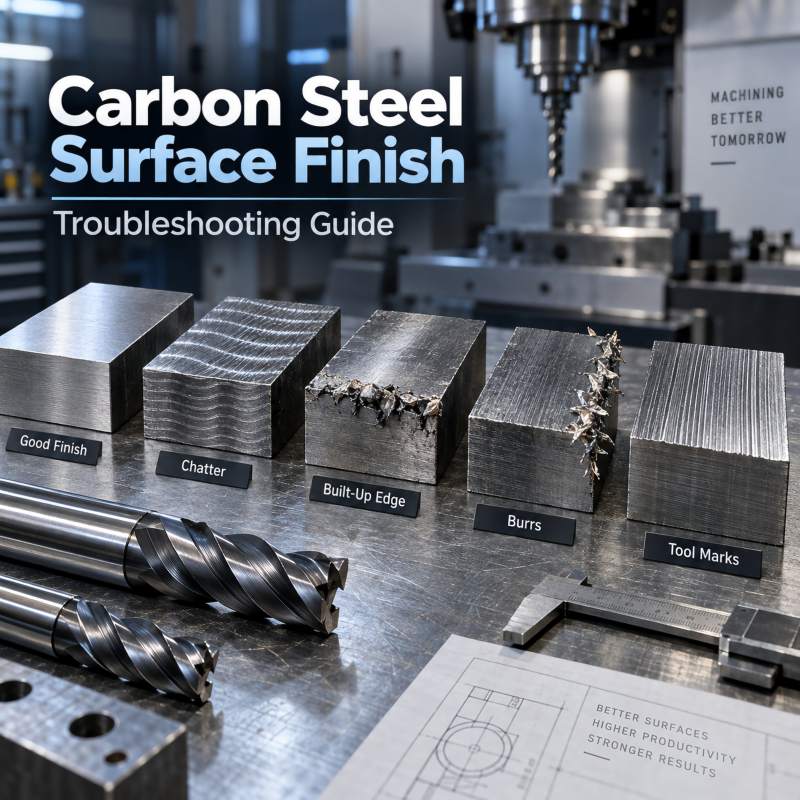
Troubleshoot common carbon steel surface finish issues like chatter, built-up edge, and tool marks. Learn how Dohre PEX solid carbide end mills improve surface quality.
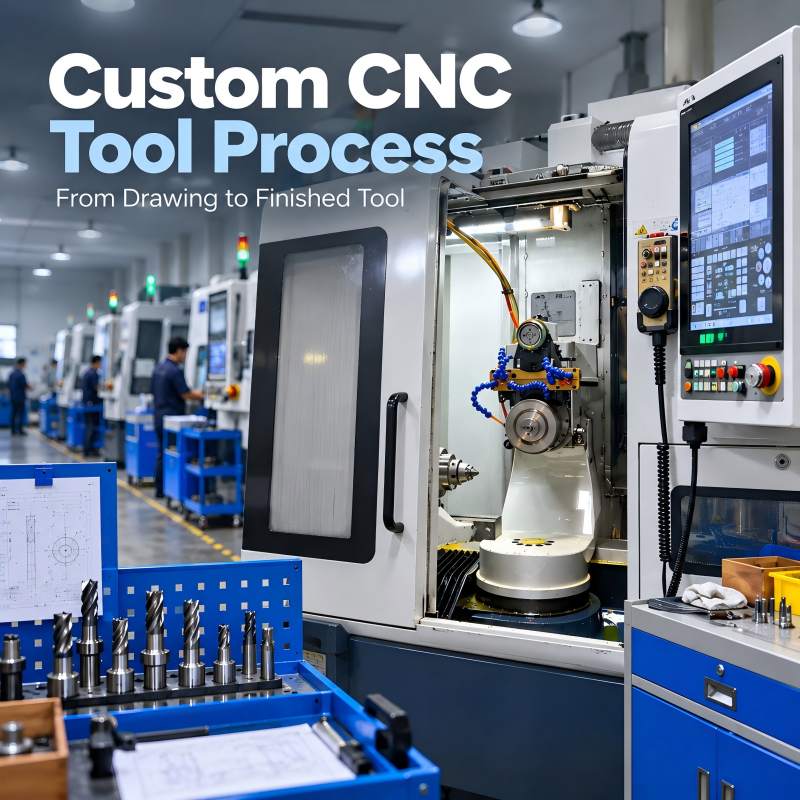
Learn how Dohre transforms CAD drawings and samples into custom solid carbide cutting tools through precision engineering, raw material testing, CNC grinding, and 100% inspection.
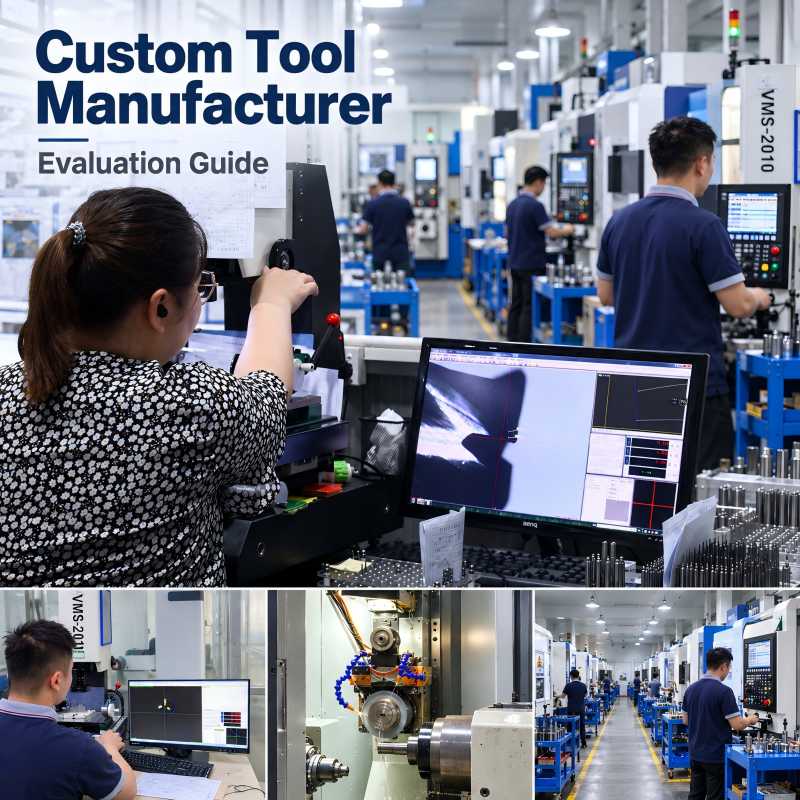
Evaluate custom tool manufacturers using 5 key metrics: design capability, material quality, experience, application engineering, and delivery reliability. Discover how DOHRE delivers precise solid carbide cutting tools.
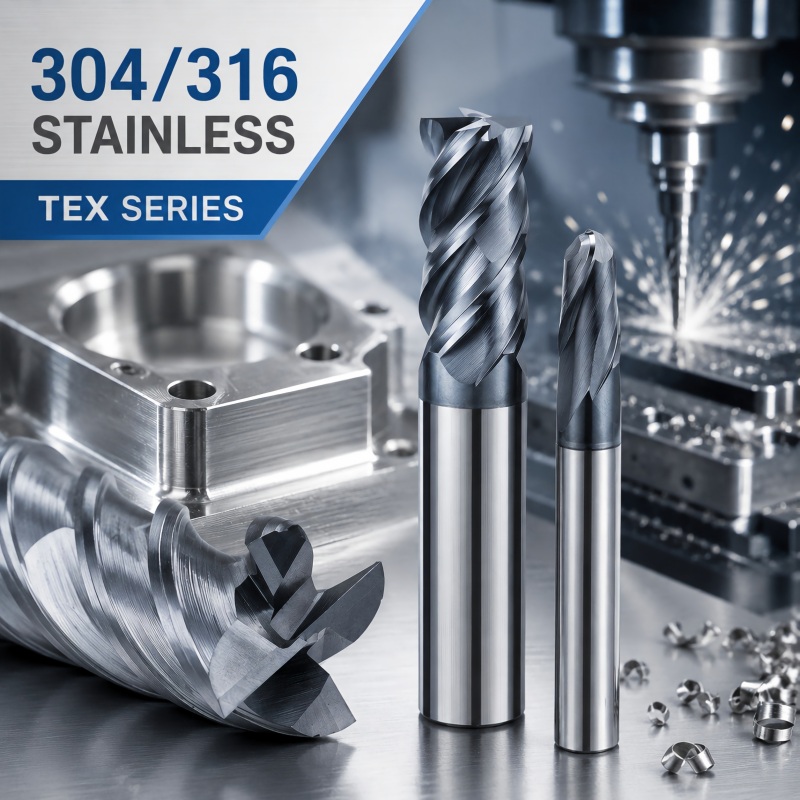
Master 304 & 316 stainless steel machining with the TEX Series solid carbide end mills. Engineered with AlCrN heat-resistant coatings, sub-micron carbide substrates, and anti-vibration geometries to eliminate work hardening, suppress chatter, and dramatically extend tool life in tough alloys. Contact Dohre CNC Tools for a custom quote today!
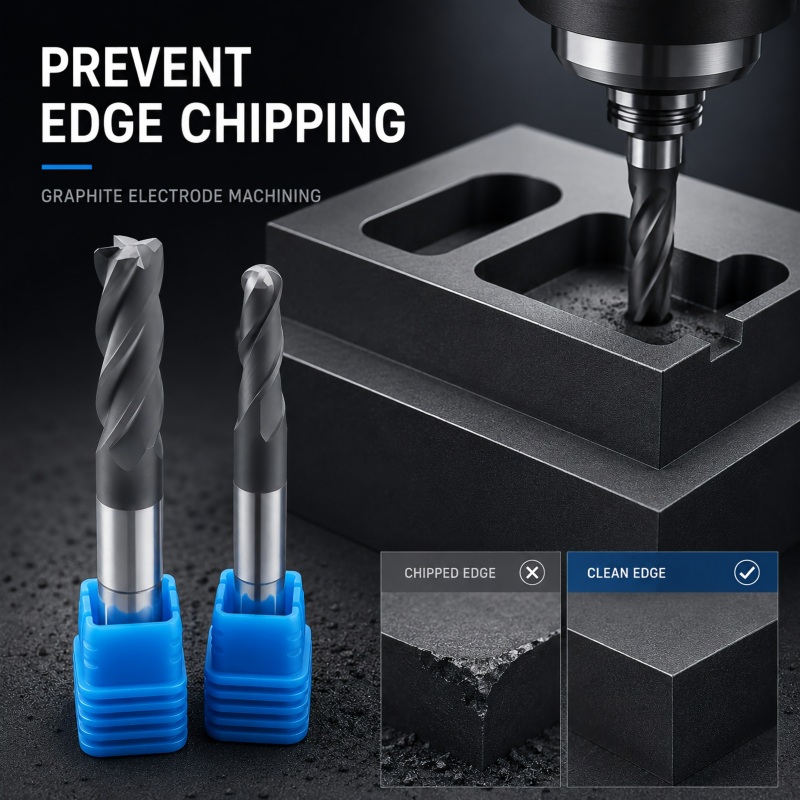
Learn how to prevent edge chipping in graphite electrode machining. Optimize diamond-coated tools, CAM toolpaths, and parameters. Contact Dohre today!
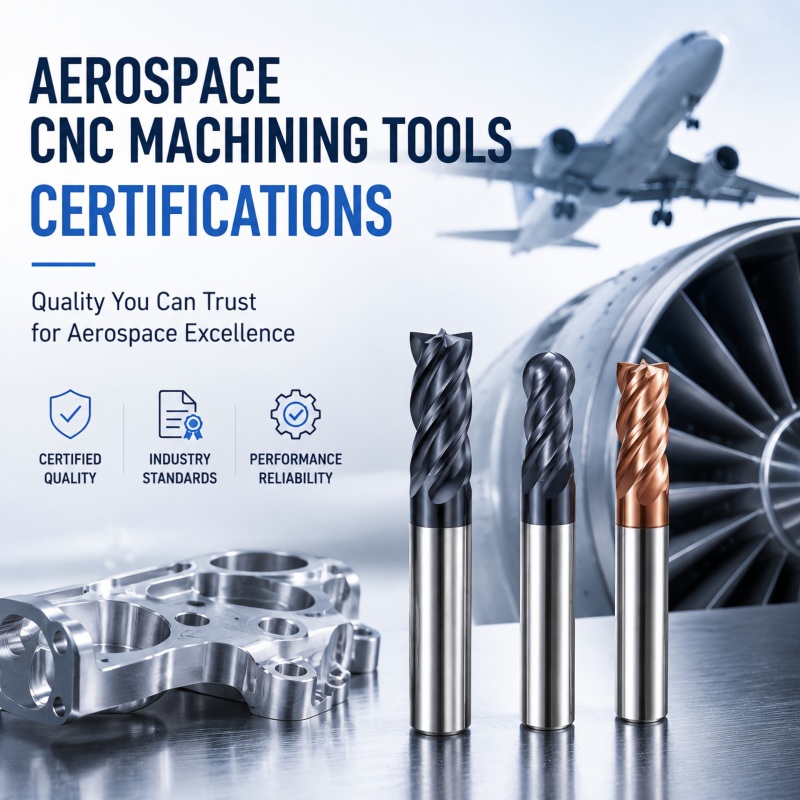
Discover high-precision, AS9100-certified CNC tools engineered for aerospace machining. Protect high-value titanium and nickel alloy parts with advanced carbide end mills, zero-defect process control, and full supply chain traceability. Get a custom quote today!
Contact Us
*We respect your privacy. When you submit your contact information, we agree to only contact you in accordance with our Privacy Policy.
By continuing to use the site you agree to our privacy policy Terms and Conditions.