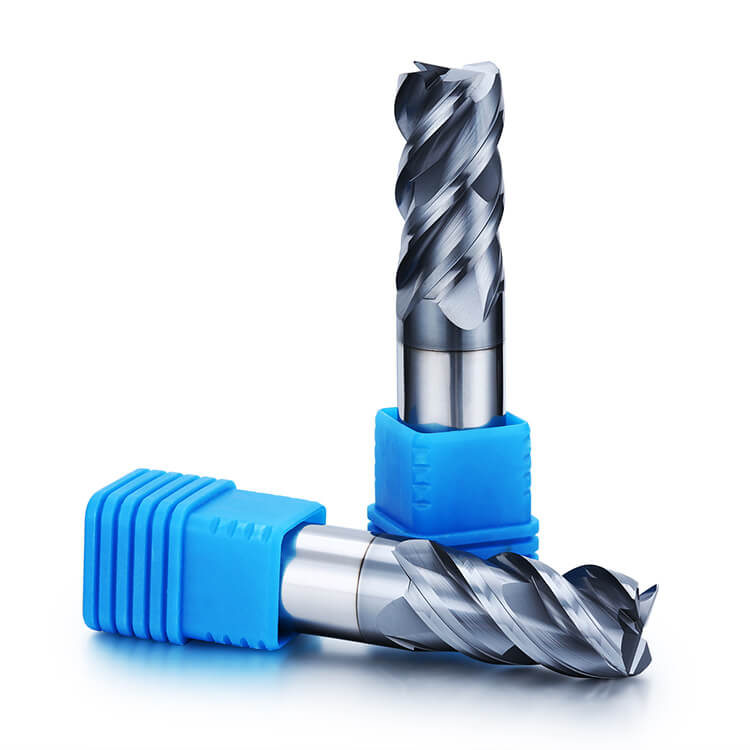
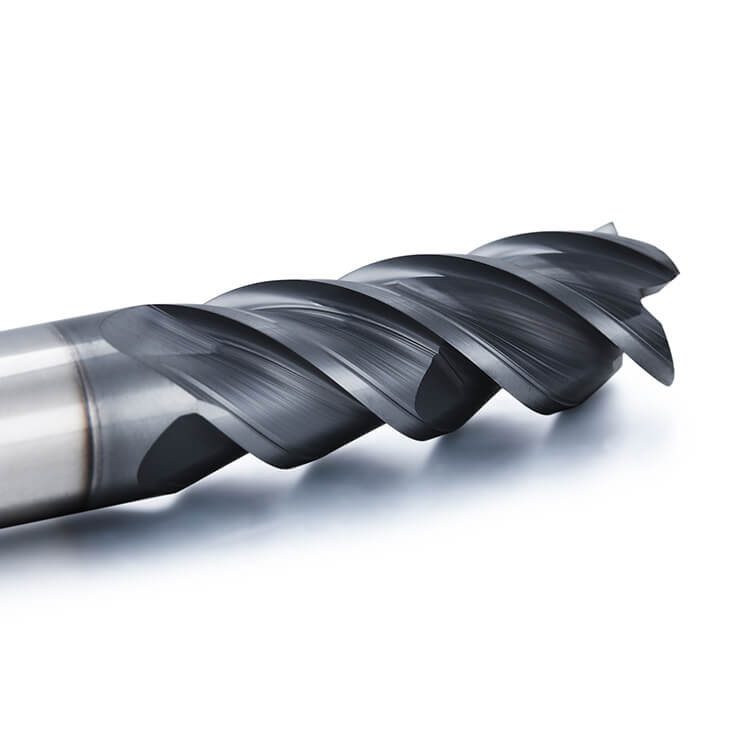
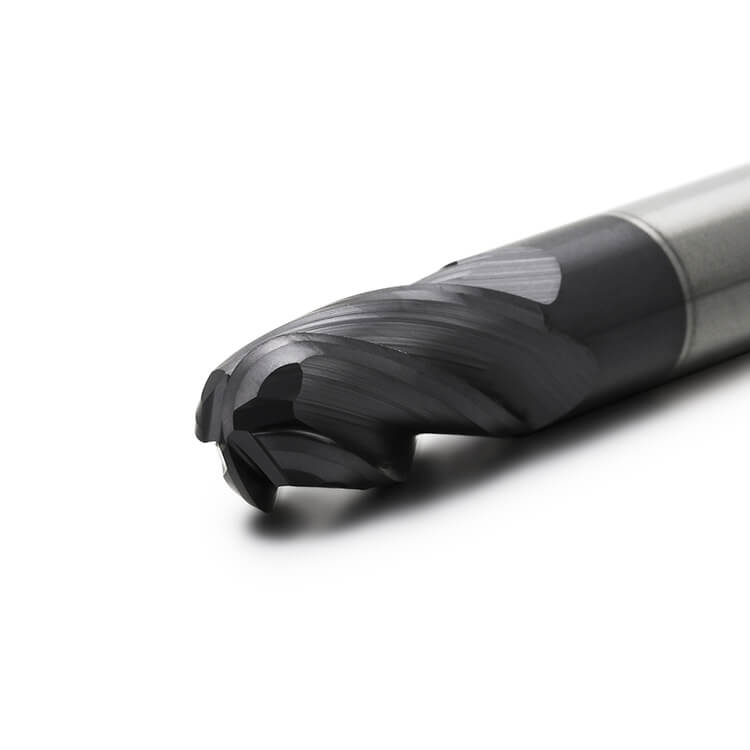
Are you a process engineer struggling with unpredictable tool failure when milling AISI 316 stainless steel? Choosing between dry cutting and flood coolant systems is a critical decision for your shop floor. Our comprehensive wear test of the DOHRE TEX series end mill reveals how to optimize your coolant vs cutting fluid strategy. Learn how to minimize BUE and maximize tool life.
What Is Dry Cut & Flood Coolant?
In precision machining, stainless steel—particularly grades like 304 and 316—remains a notorious challenge for even the most experienced machinists. Its inherent "stickiness," tendency for work hardening, and low thermal conductivity often lead to premature failure via built-up edge (BUE) and rapid flank wear.
Choosing the right thermal management strategy is paramount. Dry cutting relies on compressed air or high-pressure air blasts to evacuate chips, keeping the cutting zone free of debris without liquid interference. In contrast, a flood coolant system uses high-volume liquid flow to simultaneously lubricate the interface, flush chips, and dissipate heat.
The debate between coolant vs cutting fluid often boils down to the specific chemistry required for stainless steel. While water-soluble emulsions are common, many shops prefer high-performance flood cutting oil for its superior lubricity, which directly addresses the material's tendency to weld to the cutting edge. This test evaluates how the TEX series end mill performs under these two distinct environments, providing data-driven insights into which method best preserves tool integrity.
Test Standard & Control Variables
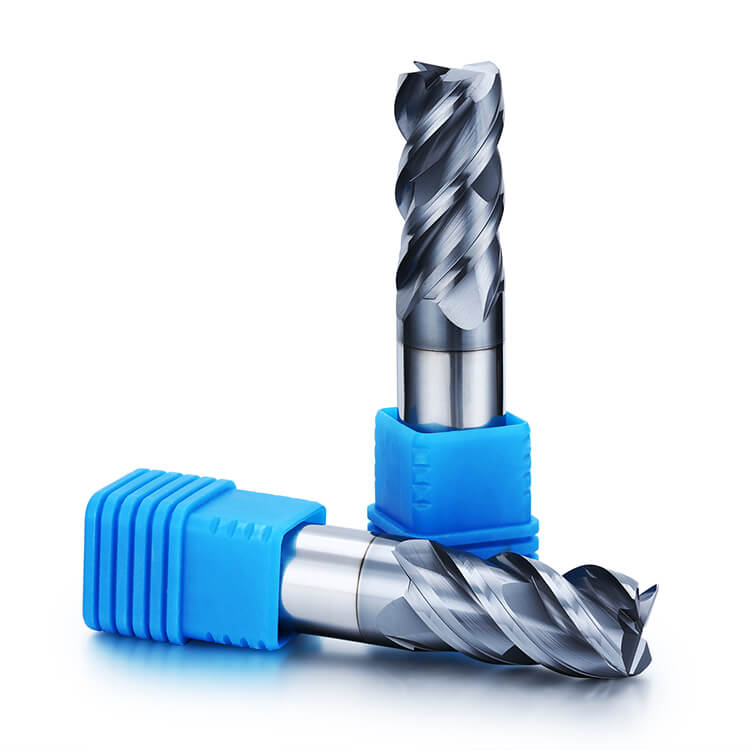
To ensure data integrity, we established a strictly controlled environment. The test utilized a 4-flute carbide end mill featuring a 0.6μm ultra-fine grain substrate and a specialized AlCrN coating. The workpiece was standardized to AISI 316 stainless steel to ensure consistency.
Group A (Dry Cutting):
Utilized a high-velocity air blast to ensure chip evacuation.
Group B (Flood Coolant):
Utilized a high-pressure system delivering oil-based flood cutting oil.
Parameters including spindle speed, feed rate, and depth of cut were locked across both groups. We measured flank wear (VB), BUE adhesion, and surface roughness (Ra) using high-precision equipment to quantify performance.
Dry Cutting Test Result
Dry cutting proved effective for maintaining the thermal stability of the carbide substrate. Because no liquid was present, the tool avoided the thermal shock cycles that often cause micro-cracks in cemented carbide.
However, without the lubricating properties of a flood coolant system, the cutting zone reached significantly higher temperatures. We observed a noticeable increase in BUE, where stainless steel particles adhered to the cutting edge. While the AlCrN coating offered excellent heat resistance, the lack of continuous lubrication meant the tool reached its wear limit faster than in wet conditions. This method is ideal for shops looking to eliminate waste management costs, provided the production run is short enough to accommodate the shortened tool life.
Flood Coolant Test Result
Introducing flood cutting oil significantly altered the wear characteristics. Lubrication reduced the friction between the chip and the tool face, effectively suppressing the formation of BUE.

The data showed a marked improvement in total cutting length before failure compared to Group A. The fluid acted as a barrier, keeping the cutting zone temperature stable, which allowed for a superior surface finish—a critical requirement for industries like medical hardware and 3C electronics. The primary drawback remained the recurring thermal shock; as the tool exited and re-entered the cut, the temperature fluctuation posed a risk to the cutting edge.
Direct Comparison Chart: Dry Cutting VS Flood Coolant
Evaluation Index | Dry Cutting (Air Blast) | Flood Coolant (Oil-based) |
Tool flank wear VB | Higher | Lower |
Built-up Edge (BUE) | Severe | Slight |
Surface Roughness Ra | Higher | Lower (Mirror-like) |
Thermal Shock Risk | None | Medium |
Coolant System Cost | Negligible | Extra recurring expenses |
Tool Design Performance
The performance of an end mill in varying environments is defined by its geometry. The TEX series utilizes a high-helix angle design that assists in smooth chip evacuation. In dry conditions, the AlCrN coating acts as a thermal shield. In wet conditions, the optimized chip pockets prevent the hydraulic forces of the flood coolant from causing premature chipping, ensuring the tool remains robust even under high-pressure delivery.
Matching Guide
Selecting the right fluid is as important as selecting the tool. For stainless steel, we recommend oil-based fluids over water-soluble ones whenever the machine and environmental standards allow, as they provide the film strength necessary to prevent welding. If you are using a flood coolant system, ensure your filtration is adequate; small carbide particles circulating in the fluid can act as an abrasive, grinding down the tool flank even faster than the heat itself.
Cost Calculation
When calculating the Total Cost of Ownership (TCO), you must weigh more than just the price of the tool. Dry cutting offers a lower initial overhead but higher tool replacement frequency. Conversely, a flood coolant system requires fluid maintenance, waste disposal, and pump power. For large-batch production, the investment in wet cooling is typically justified by the consistency and increased tool life.
Practical Machining Parameters
For successful stainless steel milling, start with these conservative baselines:
Dry Cutting:
Reduce your feed per tooth by 10-15% compared to wet parameters to manage heat accumulation.
Flood Coolant:
You can push higher cutting speeds. Ensure the fluid stream is aimed directly at the cutting zone; a misaligned nozzle is often the primary cause of thermal cracking.
Conclusion
There is no one-size-fits-all solution. For intermittent, small-batch work, dry cutting with air is efficient and clean. For long-running, precision-heavy projects, flood cooling remains the gold standard for surface finish. If you need a more detailed breakdown or wish to discuss a custom non-standard milling tool design for your specific shop setup, our engineering team is ready to assist.