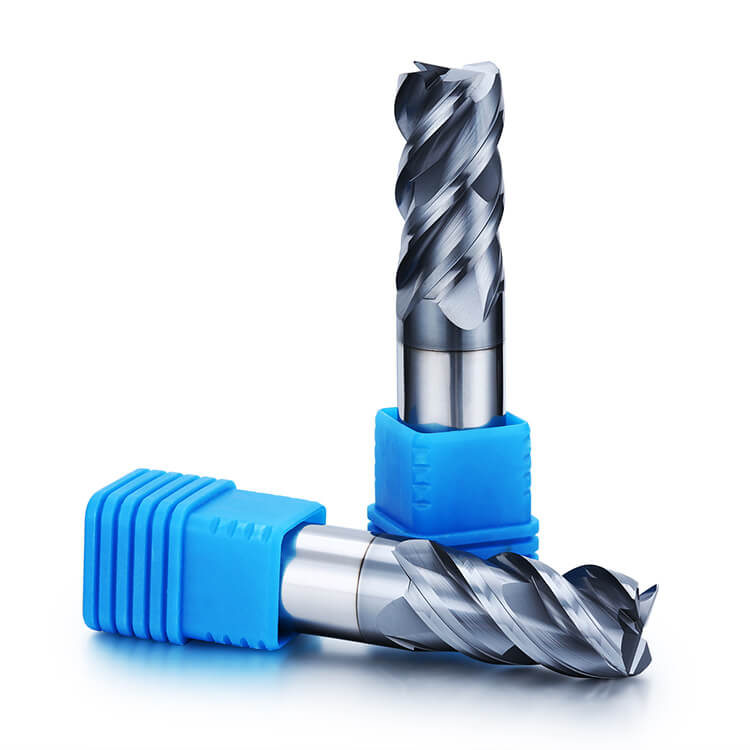
For process engineers in the high-volume mass 3C component machining sector, edge quality is often the difference between a profitable run and a scrap pile. Stainless steel, particularly 304 and 316, is notorious for stubborn exit and roll-over burrs. These defects drive up your cycle time and labor costs through mandatory secondary deburring.
Stop relying on post-processing; you can eliminate burrs at the source by optimizing your cutting strategy with the TEX series end mill. Learn how to how to eliminate stainless steel burrs and boost your production efficiency today.
Root Causes of Stainless Steel Burrs in 3C Milling
The struggle to remove burrs from stainless steel components in 3C manufacturing typically stems from the material's metallurgical profile. Stainless grades like 304 and 316 exhibit high ductility and a strong work-hardening effect. When a cutting edge engages, the material tends to "plow" rather than shear cleanly, especially if the tool is not sufficiently sharp.
Common tool-related triggers include insufficient edge honing, which fails to provide the necessary cutting pressure, and poor chip evacuation, which causes chips to be re-cut and forced into the workpiece surface. Furthermore, the how to get burrs off of stainless steel dilemma is often exacerbated by outdated tool paths that force the cutter to exit a contour at an angle that pulls material outward, creating the dreaded "roll-over" burr. Relying on secondary manual deburring is a costly workshop reality, often adding unnecessary labor hours to every production batch.
Why Specialized Geometry Suppresses Burrs
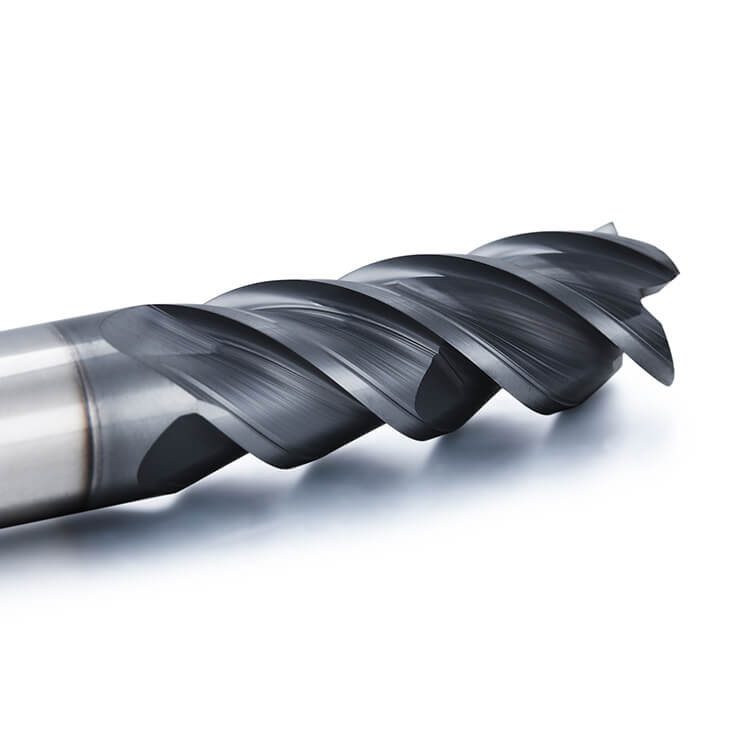
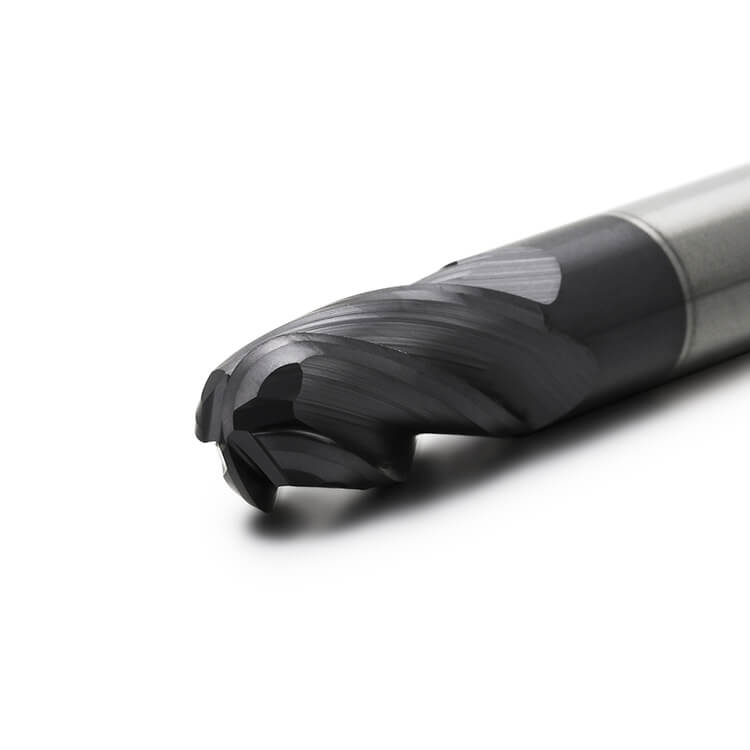
Eliminating burrs requires a tool design that balances toughness with extreme sharpness. Advanced carbide substrates, such as those used in high-performance stainless steel end mills, are engineered with ultra-fine grain structures. This provides the edge toughness needed to prevent micro-chipping during high-speed engagement.
When dealing with 3C component machining, geometry is just as critical as the substrate. An unequal pitch and high helix design disrupt the harmonic vibrations that lead to chatter—a major contributor to edge defects. Furthermore, the inclusion of a specialized anti-adhesion coating and a polished flute surface reduces the coefficient of friction. This prevents the workpiece material from welding to the cutting edge, which is the primary driver behind the formation of burrs on thin-walled electronic housings.
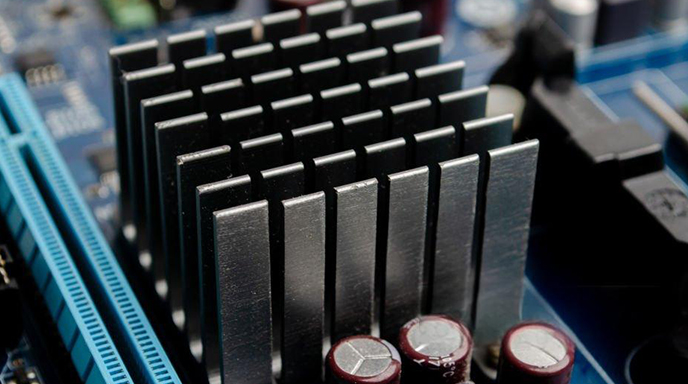
Controlled Comparison Test
To quantify performance, we conducted a side-by-side test using 304 stainless steel, mimicking the conditions of a thin-walled electronic chassis.
Ordinary Stainless End Mill:
Produced significant roll-over burrs, requiring an additional 45 seconds of manual labor per piece and resulting in a 10% scrap rate due to dimensional distortion during deburring.
Specialized Anti-Burr Carbide End Mill:
Maintained consistent edge integrity throughout the cycle. The resulting burr height was reduced by over 60%, allowing for a seamless transition from the CNC machine to the final assembly line.
These results underscore that for high-precision manufacturing, the right tool geometry essentially acts as a built-in deburring process.
Complete Operation Guide
To achieve optimal results, your strategy must move beyond just the tool itself.
Optimize Parameters:
For finishing passes, prioritize a higher surface speed combined with a lower chip load. This forces a clean shear action rather than a dragging effect.
Tool Pathing:
Implement arc transitions at the contour exit. Never allow the tool to retract vertically while still engaged with the wall; this is the most common cause of exit burrs.
Cooling Management:
In mass stainless steel machining, ensure a consistent flood coolant stream. This not only flushes chips but keeps the interface temperature stable, preventing the material from softening and folding over the edge.
Proactive Replacement:
Monitor tool wear closely. Once the flank wear reaches the manufacturer's threshold, the edge becomes dull, and the risk of burrs increases exponentially.
Auxiliary Solutions for Ultra-Fine Burr Control
Sometimes, even the best milling strategy needs a specialized touch. For micro-edge breaks, integrating a chamfer end mill can provide a controlled, clean edge. Additionally, ensuring your tool holder system provides maximum rigidity is essential; if the holder allows for even minimal runout, the vibration will manifest as unwanted micro-burrs, regardless of how advanced your cutter is.
Cost Calculation: Total Cost of Ownership (TCO)
The hidden cost of burrs is often ignored until the end of the quarter. While a high-performance end mill may have a higher price point than an ordinary one, it pays for itself by eliminating the need for dedicated deburring stations, reducing waste, and preventing production bottlenecks. When you factor in the labor and throughput gains, high-volume factories typically see a full return on the tool investment within the first two months of mass production.
Troubleshooting Residual Issues
Even with an optimized setup, specific features can prove difficult.
Thin-wall features:
If you notice vibration, reduce the depth of cut and switch to a high-speed, low-load finishing strategy.
Hole Intersections:
These are notorious for "dog-ear" burrs. Try optimizing your machining sequence so that the final pass occurs on the most supported face of the part.
Runout:
If burrs appear intermittently, check your tool holder for debris or wear; even a micron of runout can ruin an otherwise perfect tool path.
Conclusion
Achieving a burr-free finish in stainless steel 3C machining is not about one "magic" variable, but the synchronization of tool geometry, path planning, and machining parameters. By shifting the focus from post-process deburring to source-level control, you significantly enhance both product quality and factory output.
Need a detailed look at how to optimize your specific part? Contact us and get customized cutting parameters for more technical insights.