Product Description
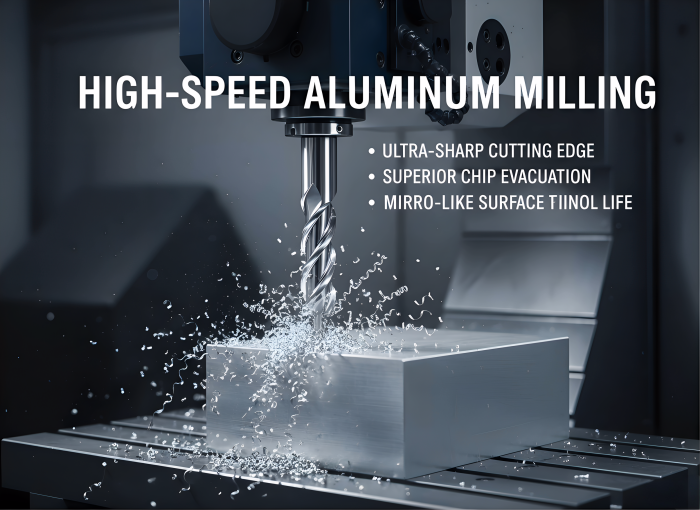
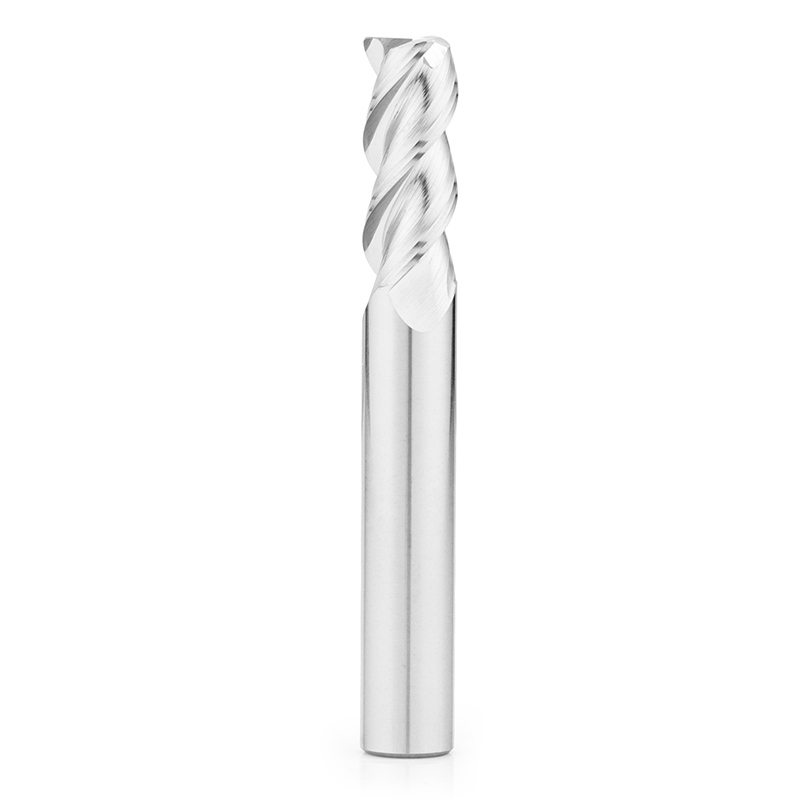
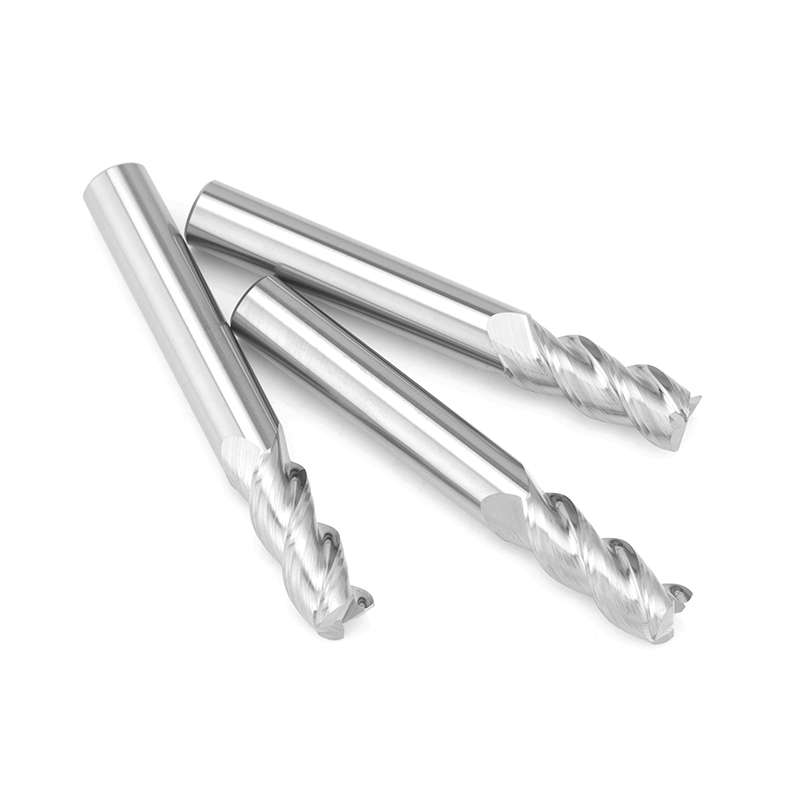
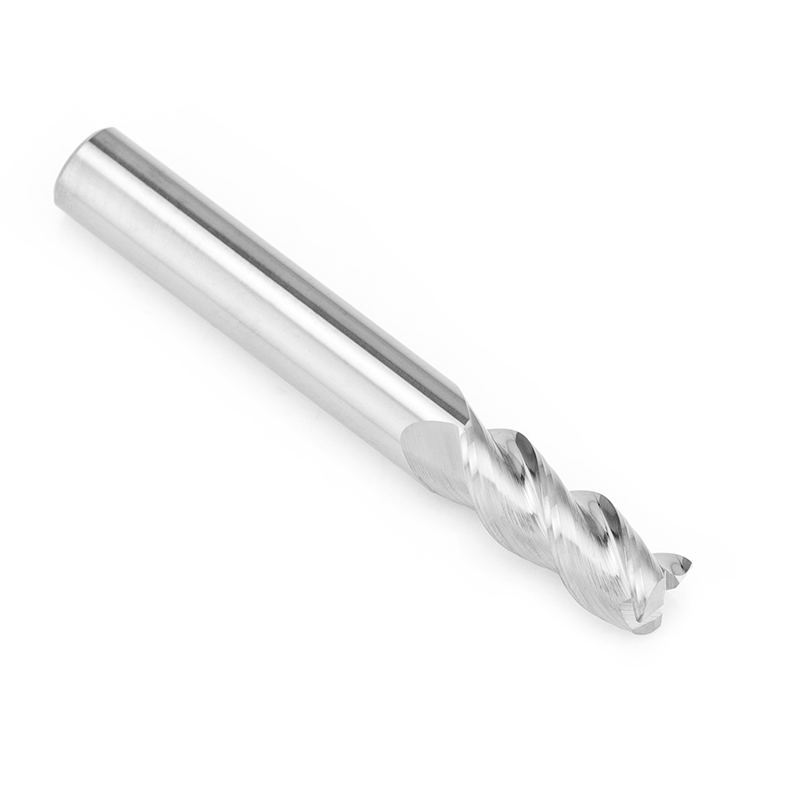
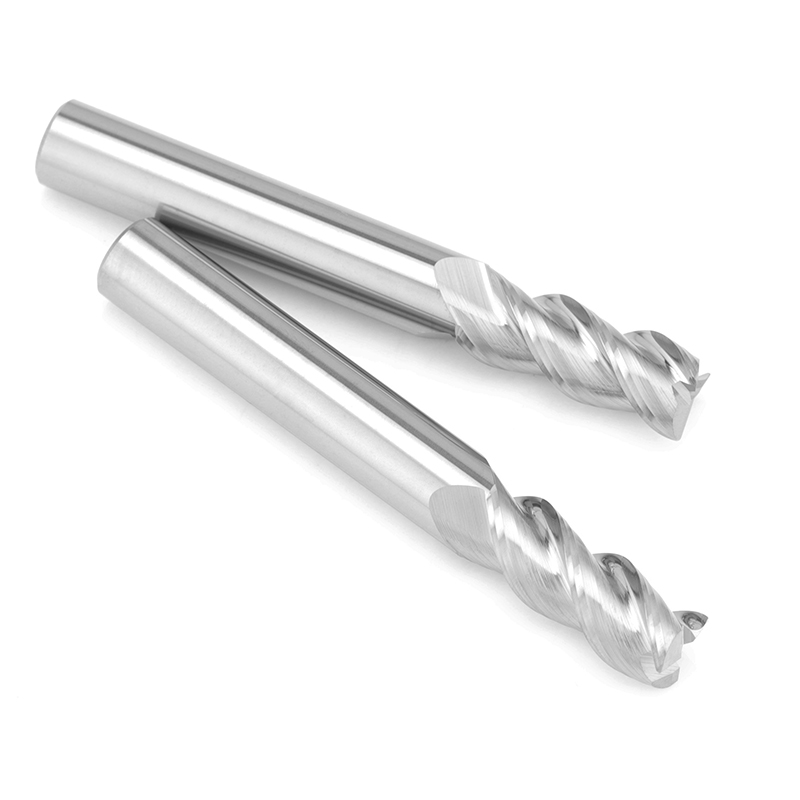
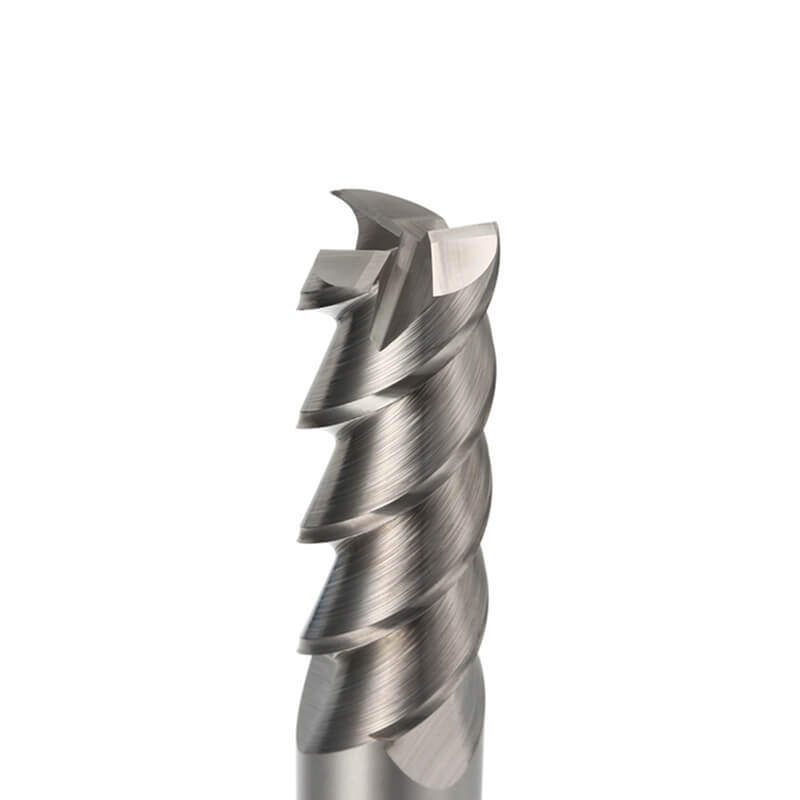
The AEX corner radius end mill for aluminum machining is designed for shoulder milling, side-wall finishing, pocket machining, step machining, dynamic milling, and profile machining of aluminum and other non-ferrous materials.
AEX is Dohre's dedicated aluminum end mill series. This corner radius tool is suitable for aluminum parts that require stronger edge protection, smooth chip evacuation, lower cutting resistance, and stable wall quality.
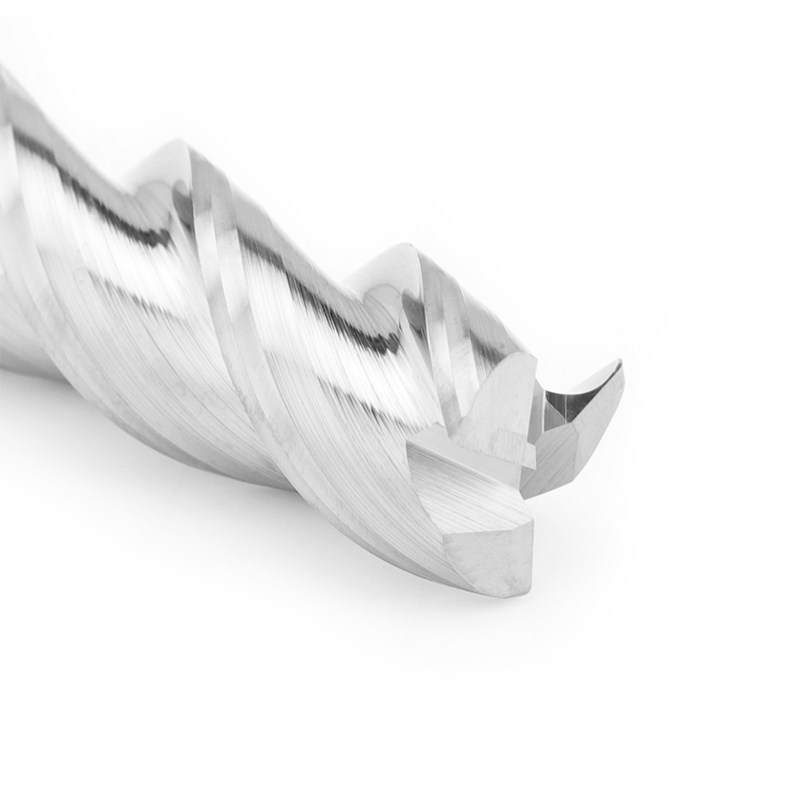
Unlike a sharp-corner square end mill, the corner radius design helps reduce stress concentration at the cutting edge. This can lower the risk of corner chipping during shoulder milling, side-wall machining, and high-speed aluminum cutting.
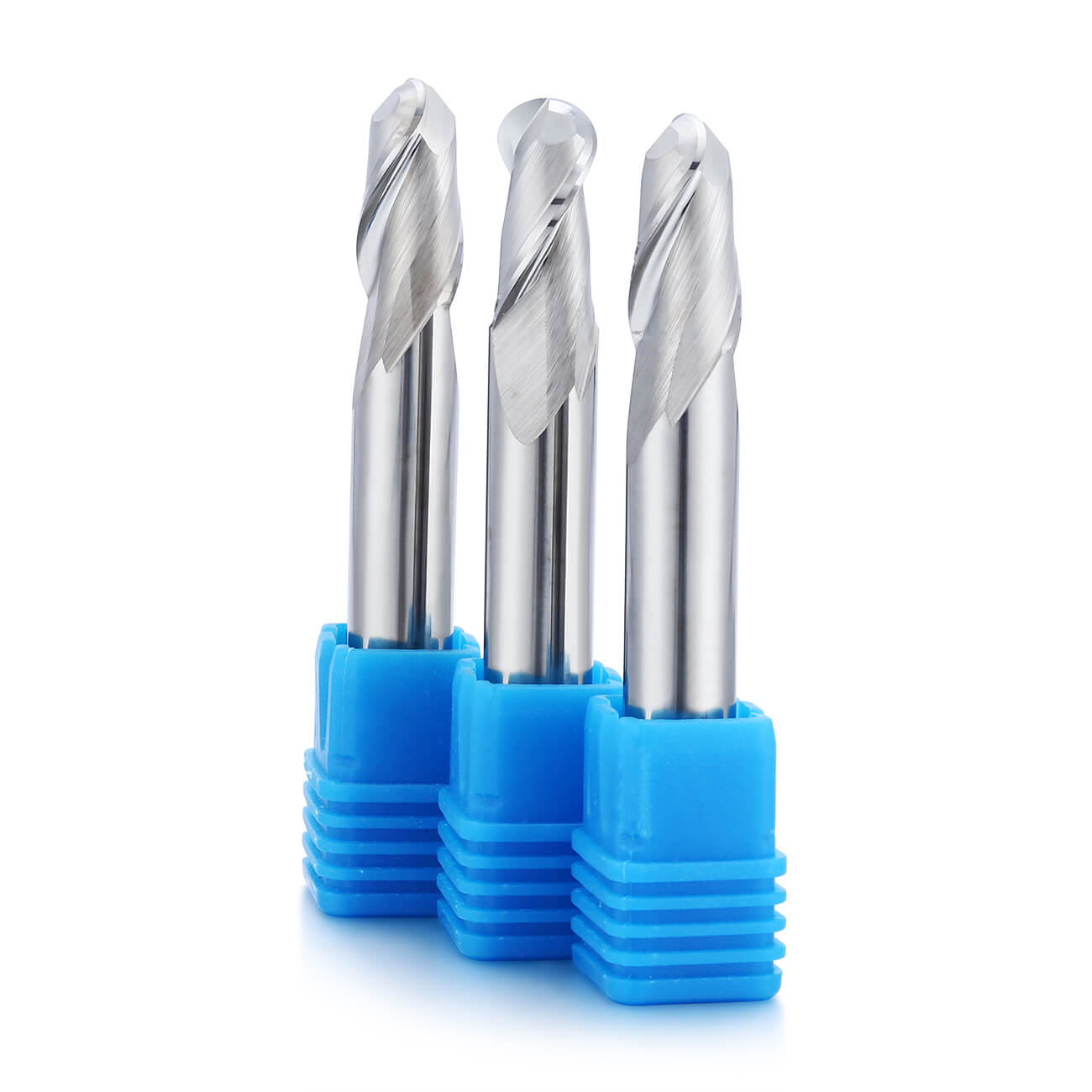
Compared with a ball nose end mill, the AEX corner radius end mill provides better efficiency and dimensional control when machining straight walls, shoulders, steps, and pocket features.
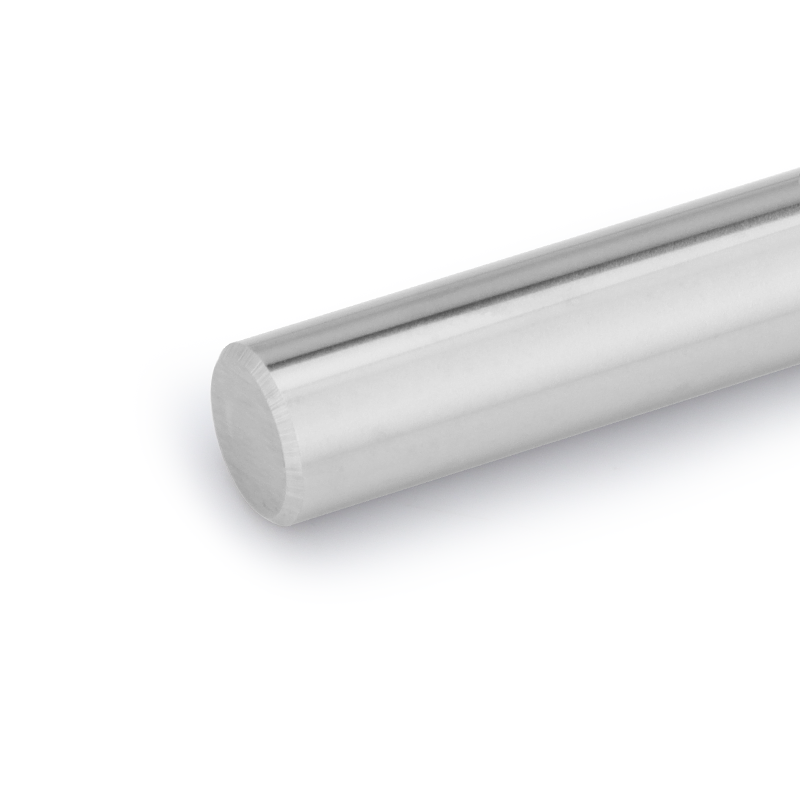
Made from imported fine-grain carbide with 0.8 μm grain size and 10% cobalt content, the tool provides stable edge strength, sharp cutting performance, and reliable wear resistance for continuous aluminum machining.
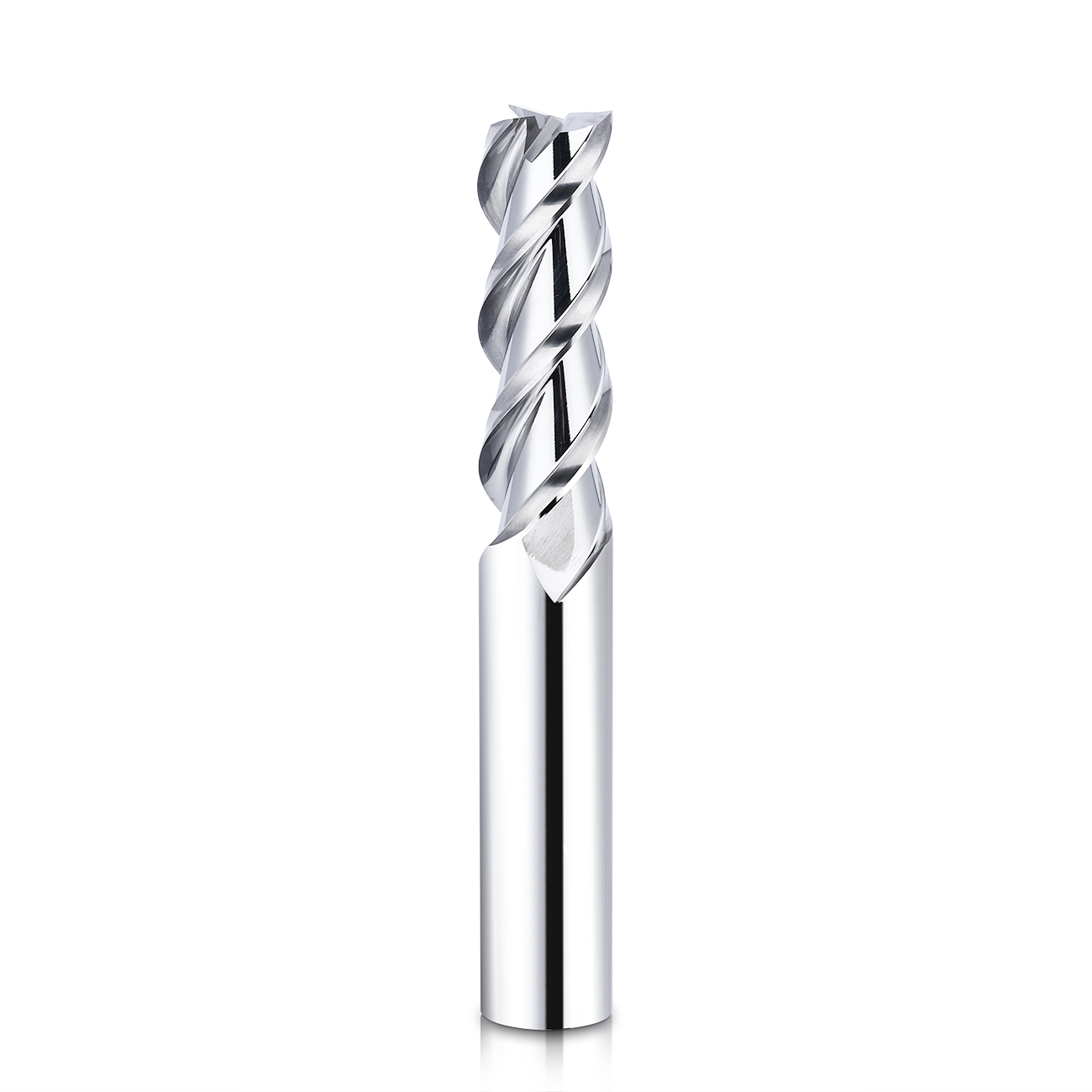
Its positive rake geometry, 55% small-core design, and 45° helix angle help reduce cutting resistance, improve chip evacuation, and support smoother cutting in high-speed aluminum milling.
Product Features
Fine-Grain Carbide Material
The AEX corner radius end mill is produced from imported carbide rods with 0.8 μm grain size and 10% cobalt content. This carbide substrate provides a good balance of hardness, toughness, and wear resistance for aluminum and non-ferrous material machining.
Uncoated or DLC Rainbow Coating
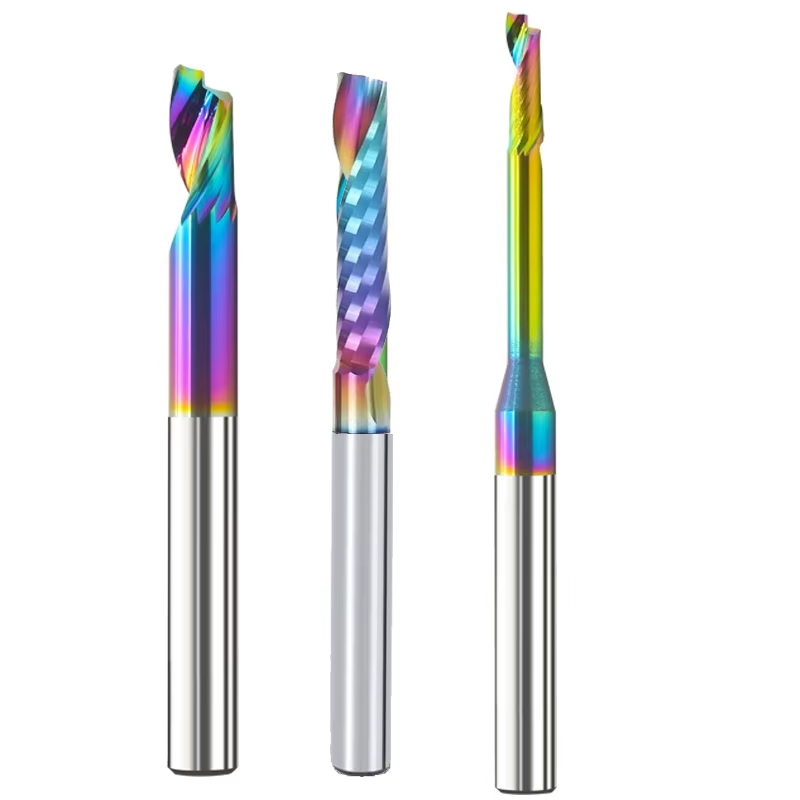
The tool is available in uncoated and DLC Rainbow coated versions. The uncoated version provides a sharp cutting edge for smooth aluminum cutting, while the DLC Rainbow coated version helps reduce friction, improve anti-adhesion performance, and lower the risk of built-up edge.
Aluminum adhesion is a common machining issue, especially in high-speed cutting or deep slotting. More details are explained in our guide:Why Does Aluminum Stick to an End Mill
Corner Radius Design for Edge Protection
The corner radius design helps strengthen the cutting edge and reduce stress concentration during shoulder milling, side-wall finishing, and pocket machining.
This makes the tool more stable than a sharp-corner square end mill when machining aluminum parts that require better tool life, cleaner wall edges, and reduced corner wear.
Positive Rake Geometry
The tool adopts a 6° end rake angle and 12° side rake angle. This sharp cutting geometry helps reduce cutting resistance, improve cutting smoothness, and minimize burr formation during aluminum shoulder milling and side-wall finishing.
Precision-Ground Cutting Edge
The cutting edge is precision-ground with a 1200-grit grinding wheel to maintain edge sharpness. This helps reduce burrs, avoid uneven surface marks, and improve the final surface quality of aluminum parts.
55% Core Diameter and 45° Helix Angle
The tool uses a 55% small-core diameter and 45° helix angle. The smaller core provides larger chip space, while the high helix angle supports smoother chip evacuation and lower cutting resistance during dynamic milling, pocket machining, and high-speed aluminum cutting.
Shoulder, Side-Wall and Dynamic Milling Applications
AEX corner radius end mills are especially suitable for aluminum machining tasks where stronger edge protection, stable wall quality, and smooth chip evacuation are required.
| Machining Need | Why Use AEX Corner Radius End Mill |
|---|
| Shoulder milling | Corner radius helps protect the cutting edge and improve tool stability |
| Side-wall finishing | Supports smoother side walls and better dimensional consistency |
| Pocket machining | Helps maintain stable cutting and smooth chip evacuation in pocket features |
| Step machining | Reduces corner wear at step transitions and shoulder areas |
| Dynamic milling | Stronger edge support improves stability during high-speed toolpaths |
| Profile machining | Suitable for aluminum profiles requiring cleaner transitions and longer tool life |
| Semi-finishing | Balances cutting efficiency, edge strength, and surface quality |
Suitable materials include:
•6000 series aluminum alloys
•6061 aluminum
•7000 series aluminum alloys
•7075 aluminum
•Aluminum-silicon alloys
•Magnesium alloys
•Copper alloys
•Engineering plastics
For 6061 aluminum machining, sharp cutting edges and smooth chip evacuation are important for reducing burrs and improving surface finish. More selection details can be found in: Best End Mill for 6061 Aluminum
For harder aluminum alloys such as 7075, coating selection, tool rigidity, and cutting parameters become more important. Related guide: Best End Mill for 7075 Aluminum
For users comparing flute designs in aluminum milling, this guide may also help: 2 Flute vs 3 Flute End Mill for Aluminum
Typical applications include:
•Aluminum shoulder milling
•Side-wall finishing
•Pocket machining
•Step machining
•Dynamic milling
•Profile machining
•Semi-finishing of aluminum parts
•High-speed CNC milling of aluminum components
•Aerospace, automotive, electronics, mold, and precision machining applications
Manufacturing & Quality Control
Dohre CNC focuses on precision grinding, edge consistency, dimensional stability, and strict inspection for aluminum machining tools. AEX series end mills are produced under controlled manufacturing processes to support stable cutting performance and reliable batch quality.
German Walter 5-Axis Grinding Machines
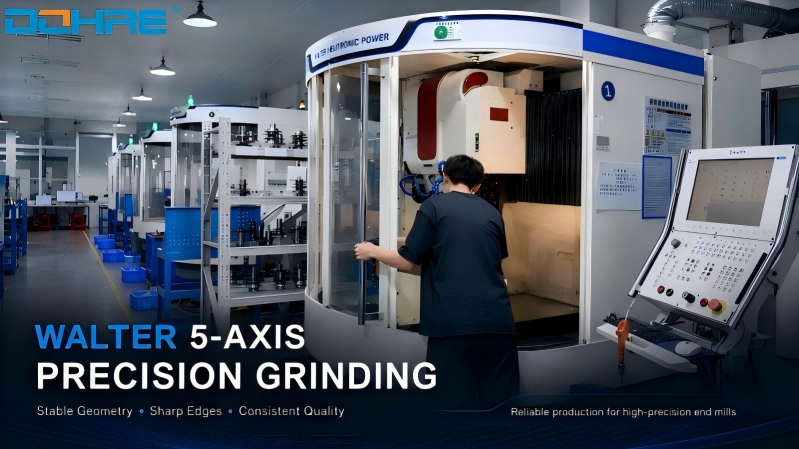
AEX series end mills are produced using German Walter 5-axis high-precision grinding machines. This helps maintain accurate flute geometry, stable dimensions, and consistent cutting edge quality.
Walter HELICHECK PLUS Inspection
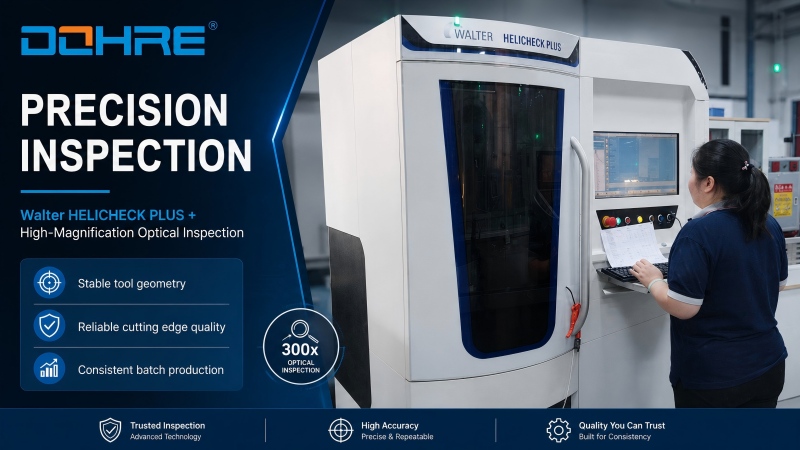
Tool profile and corner radius accuracy are inspected using German Walter HELICHECK PLUS measuring equipment. Profile and R accuracy can be controlled within 5 μm, helping ensure stable tool geometry and consistent machining accuracy.
50× Microscope Inspection
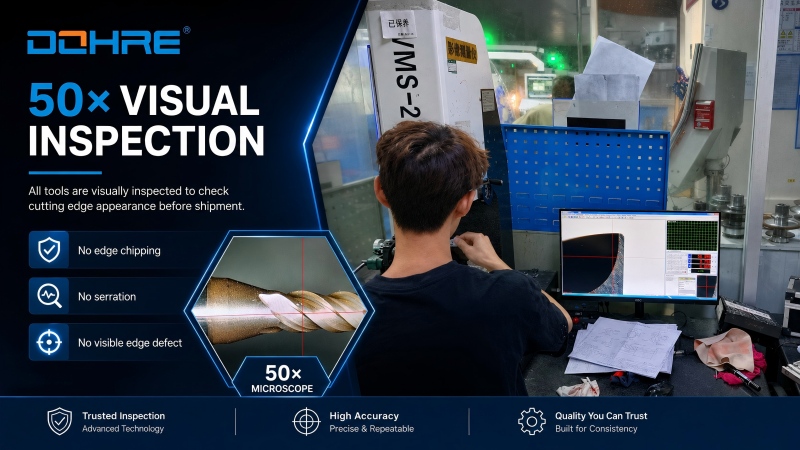
All tools are visually inspected under a 50× microscope to check cutting edge appearance. This helps ensure there is no edge chipping, serration, or visible cutting edge defect before shipment.
Stable Batch Quality
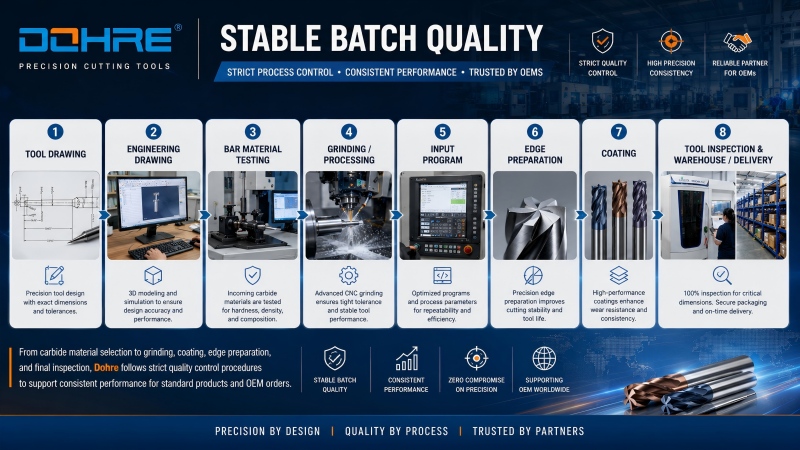
From carbide material selection to grinding, coating, edge inspection, and final quality control, Dohre follows strict production procedures to support consistent performance for standard products and OEM orders.
FAQ & Contact us
Q1: What is the AEX corner radius end mill used for?
The AEX corner radius end mill is designed for aluminum machining, especially for shoulder milling, side-wall finishing, pocket machining, step machining, dynamic milling, and profile machining.
Q2: Why choose a corner radius end mill instead of a square end mill for aluminum?
A square end mill has sharp corners, which can wear or chip more easily during side milling and shoulder machining. A corner radius end mill strengthens the cutting edge, reduces stress concentration, and helps improve tool life.
Q3: Is this tool suitable for dynamic milling aluminum?
Yes. The corner radius design provides stronger edge support, while the 55% small-core design and 45° helix angle support smooth chip evacuation. This makes it suitable for dynamic milling and high-speed aluminum toolpaths.
Q4: Can this corner radius end mill machine 6061 aluminum?
Yes. It is suitable for 6000 series aluminum alloys, including 6061 aluminum. Sharp cutting geometry and smooth chip evacuation help reduce burrs and improve surface finish.
Q5: Can it be used for 7075 aluminum?
Yes. The AEX corner radius end mill can be used for 7000 series aluminum alloys, including 7075 aluminum. For harder aluminum alloys, proper coating selection, rigid tool holding, and suitable cutting parameters are important.
Q6: Should I choose uncoated or DLC Rainbow coating?
For general aluminum machining, the uncoated version provides a sharp cutting edge and low cutting resistance. For aluminum alloys that are easy to stick to the tool, DLC Rainbow coating can help reduce built-up edge, improve chip flow, and support better surface finish.
Q7: How is a corner radius end mill different from a ball nose end mill?
A ball nose end mill is better for 3D contours, curved surfaces, and smooth profile transitions. A corner radius end mill is better for shoulders, side walls, steps, and pocket features where stronger edge protection and better dimensional control are required.
Q8: Can Dohre provide customized AEX corner radius end mills?
Yes. Dohre supports OEM customization for AEX aluminum end mills, including diameter, flute length, overall length, shank size, coating, corner radius, and special geometry requirements.