


Evaluate custom tool manufacturers using 5 key metrics: design capability, material quality, experience, application engineering, and delivery reliability. Discover how DOHRE delivers precise solid carbide cutting tools.


Reading volume: 8

Release time :2026-09-07
Estimated reading time:
Evaluate custom tool manufacturers using 5 key metrics: design capability, material quality, experience, application engineering, and delivery reliability. Discover how DOHRE delivers precise solid carbide cutting tools.
Finding a dependable custom tool manufacturer requires evaluating design capability, material control, manufacturing capacity, quality management, and delivery performance.
These factors help distinguish a supplier that can consistently produce specialized cutting tools from one that only offers standard products.
A structured evaluation also reduces the risks of dimensional deviations, long sample lead times, inconsistent tool performance, and unexpected procurement costs.
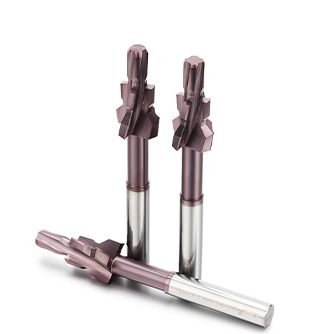
A reliable supplier should be able to convert CAD drawings, physical samples, or specific application requirements into a practical cutting tool design.
This capability becomes important when standard end mills or drills cannot meet a required profile, reach, tolerance, or cutting condition.
A dedicated custom tool manufacturer can support custom tool development from initial technical requirements through prototype production.
Fast prototype development helps buyers validate a new tool before moving into larger production quantities. Shorter sample cycles can reduce development delays and allow engineering teams to identify geometry or application issues earlier.
The manufacturer states that small batch prototyping can be completed within 7 days, giving buyers a practical option for testing specialized tool designs before placing larger orders.
OEM and ODM capabilities give buyers greater flexibility when developing proprietary cutting tools. Depending on the project, customization may involve tool geometry, branding, packaging, labeling, or inspection documentation.
A supplier should clearly define available customization options and the technical information required before production. This helps prevent misunderstandings during drawing review and sample approval.
Small quantity testing is often necessary when a custom cutter is being developed for a new application. Flexible prototype policies allow buyers to evaluate different geometries without immediately committing to high production volumes.
Flexible minimum order quantities can also make custom tooling more practical for specialized applications, replacement tools, and early stage product development.
Manufacturing experience provides an important indication of whether a cutting tool supplier has established processes for producing repeatable tool geometries.
Buyers should consider the supplier's operating history, grinding capabilities, production capacity, and experience with different cutting tool types.
Long term specialization in cutting tools can provide practical knowledge of tool geometry, carbide selection, coating requirements, and application conditions.
This experience is particularly valuable when a custom tool requires more than simple dimensional modification.
A manufacturer with extensive experience in solid carbide cutting tools is better positioned to review technical drawings and identify potential tooling issues before production. DOHRE has more than 20 years of experience specializing in CNC cutting tools.
Grinding capability directly influences the precision of solid carbide cutting tools. Complex tool geometries require suitable CNC grinding equipment and controlled production processes to maintain consistent cutting edges.
Equipment capacity is therefore an important purchasing indicator. The manufacturer has more than 200 advanced machines for producing different cutting tool geometries.
Production capacity becomes increasingly important when a custom tool moves from prototype approval to repeat orders.
A supplier needs sufficient manufacturing resources to support different order volumes without creating unnecessary production delays.
Buyers should evaluate whether the manufacturer can handle both small development batches and larger recurring tool orders while maintaining the required specifications.
Material quality and process inspection have a direct influence on cutting tool performance. Buyers should evaluate how a manufacturer selects carbide substrates, controls production quality, and maintains inspection records throughout the tool manufacturing process.
The carbide substrate is an important factor when evaluating solid carbide cutting tools. Buyers should confirm the type and quality of carbide used rather than treating the substrate as an unspecified component.
The manufacturer uses 100 percent virgin tungsten carbide for its solid carbide tools. DOHRE specifies 100 percent virgin tungsten carbide as the substrate, giving buyers a clear basis for comparing material consistency between suppliers.
Quality inspection should cover more than the final appearance of a cutting tool. Buyers should understand how the supplier checks tool dimensions, geometry, coating, and finished product quality.
A structured inspection process helps identify deviations before tools are shipped. The manufacturer states that its cutting tools undergo multiple quality inspection stages covering production through final shipment.
Traceability allows manufacturers and buyers to connect finished tools with relevant production and inspection information. This becomes particularly useful when a custom tool is reordered or when performance needs to be reviewed after delivery.
A reliable supplier should have a clear method for tracking custom tool specifications and production records. The manufacturer also states that its tools have 100 percent traceability.
| Evaluation Metric | What Buyers Should Check | Relevant Supplier Indicator |
|---|---|---|
| Substrate Quality | Carbide material specification | 100 percent virgin tungsten carbide |
| Manufacturing Capacity | Grinding equipment and production resources | More than 200 advanced machines |
| Prototype Speed | Sample development period | Small batch prototyping within 7 days |
| Delivery Performance | Record of meeting agreed schedules | 100 percent on time delivery for bulk orders |
A reliable cutting tool manufacturer should understand how tool geometry, carbide grade, coating, and application requirements interact.
This knowledge becomes important when standard tools cannot provide the required reach, profile, chip evacuation, surface finish, or tool performance.
Different workpiece materials require different cutting tool characteristics. Hardened steel, stainless steel, titanium alloys, mold steel, aluminum, and graphite can place different demands on carbide grades, tool geometry, and coatings.
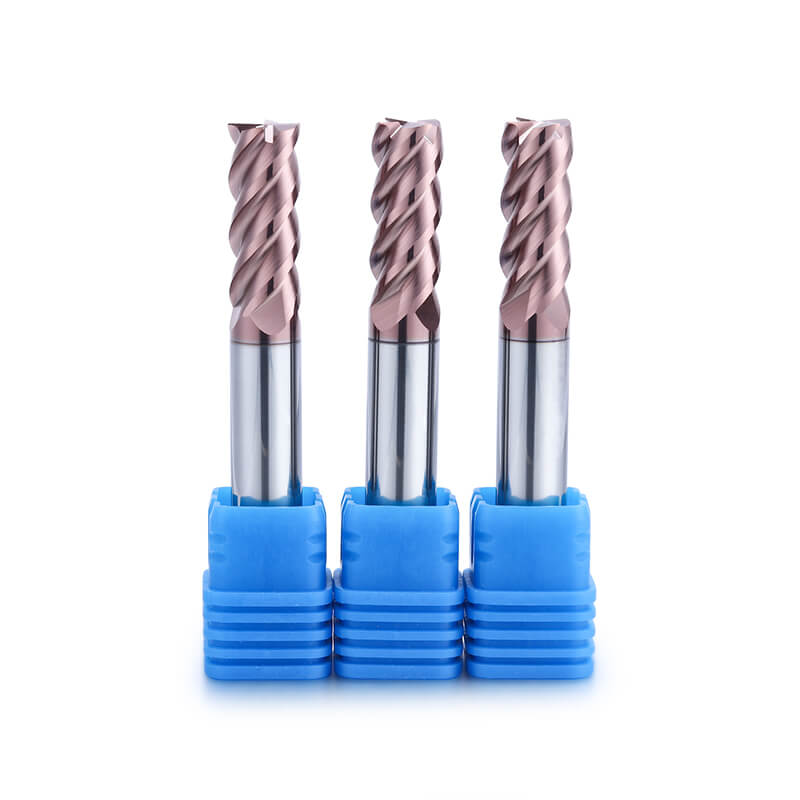
Selecting suitable carbide end mills allows buyers to match cutting tools more closely with the intended workpiece material and operating conditions.
Complex component features can require specialized cutter profiles that are not available as standard products. Deep cavities, narrow slots, undercuts, irregular contours, and other difficult features may require customized tool dimensions and geometries.
Non standard milling tools are designed for applications where standard cutter configurations cannot provide the required geometry or accessibility. This makes non standard tooling capability an important metric when evaluating a custom tool manufacturer.
Different industries can require specialized cutting tool configurations because of their materials, components, and application requirements.
Automotive applications, for example, may involve complex component features that require purpose designed cutters.
Manufacturers with experience in application specific tooling can better evaluate these requirements during the design stage. This reduces the risk of selecting a tool based only on basic dimensions.
Delivery performance is another important factor when selecting a custom tool supplier. Even a technically capable manufacturer can create production problems if prototype or bulk orders are not delivered according to agreed schedules.
Buyers should therefore evaluate lead times, minimum order quantities, and delivery records together with technical capabilities.
Fast sample delivery allows engineering teams to complete tool testing and approve designs sooner. This can be particularly valuable when custom tools are required for new production programs.
A supplier that supports small batch prototyping within 7 days gives buyers a practical way to shorten the initial validation stage before moving into larger quantities.
Minimum order quantities can significantly affect the practicality of custom tool procurement. High MOQs may create unnecessary inventory for buyers testing a new application or purchasing specialized cutters in limited quantities.
Flexible minimum order quantities may be available depending on tool type and geometric complexity, with some custom orders starting from 10 pieces. Buyers should confirm the applicable MOQ for their specific tool design before placing an order.
Once a custom tool has passed technical validation, delivery consistency becomes more important for ongoing tool supply. Buyers should review whether a supplier has defined production schedules and a demonstrated ability to support repeat orders.
The manufacturer states that it supports 100 percent on time delivery for bulk orders. Buyers should still confirm the agreed production and shipping schedule for each project.
Selecting a dependable custom tool manufacturer requires evaluating technical capability, material quality, quality control, and delivery reliability.
For custom solid carbide cutting tools, choosing an experienced manufacturer can help ensure consistent tool quality and suitable cutter geometries. Contact the DOHRE engineering team to discuss your technical drawings or request a tailored quotation.
By continuing to use the site you agree to our privacy policy Terms and Conditions.