


Get In Touch
Do you have a questions or an issues we can help you with?
Let’s talk about your project and how Dohre can help get your tools designed, manufactured and ready for the market.


Reading volume: 221

Release time :2026-09-07
Estimated reading time:
Learn how DOHRE transforms CAD drawings and samples into custom solid carbide cutting tools through precision engineering, raw material testing, CNC grinding, and 100% inspection.
A custom cutting tool starts with more than a drawing. The tool must match the workpiece material, machining conditions, required geometry, and production needs.
This article explains how DOHRE turns customer drawings, samples, or application requirements into finished solid carbide cutting tools through engineering design, material testing, grinding, edge sharpening, and inspection.
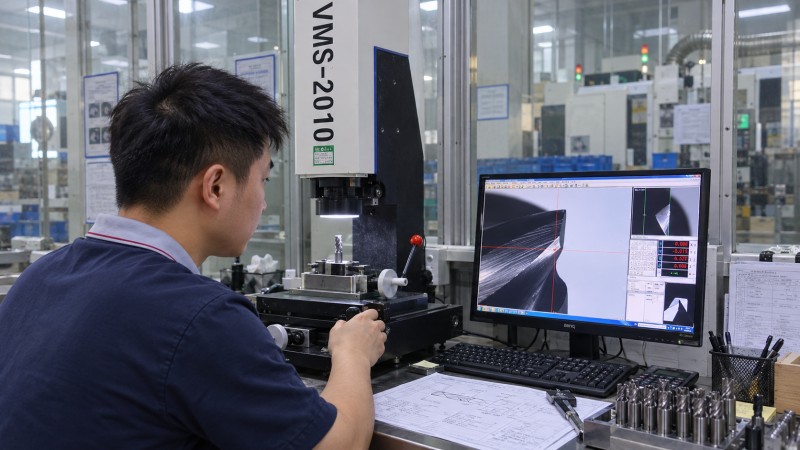
The custom CNC tool process begins with requirement collection and ends with a fully inspected cutting tool. Each stage connects the customer's application requirements with the final tool design and manufacturing process.
DOHRE provides custom cutting tool solutions covering engineering drawing, bar material testing, rod grinding, edge sharpening, quality inspection, packaging, and delivery.
The process starts with the customer's technical information. DOHRE can work from a drawing, CAD file, physical sample, or specific machining requirements.
Information such as the workpiece material, machine type, cutting operation, tolerance, surface finish, coating preference, and required quantity helps the engineering team understand the application before tool design begins.
After reviewing the requirements, DOHRE develops the engineering drawing for the custom tool. The drawing defines the dimensions and geometry that will be used during production.
This stage is important when a standard cutter cannot meet the required dimensions or cutting profile. The tool design is developed around the actual application rather than simply modifying a standard tool.
Once the design is confirmed, the carbide material is tested before entering production. Bar material testing is included in DOHRE's custom manufacturing process.
DOHRE also states that its cutting tools use virgin raw materials, providing a controlled material basis for subsequent grinding and finishing operations.
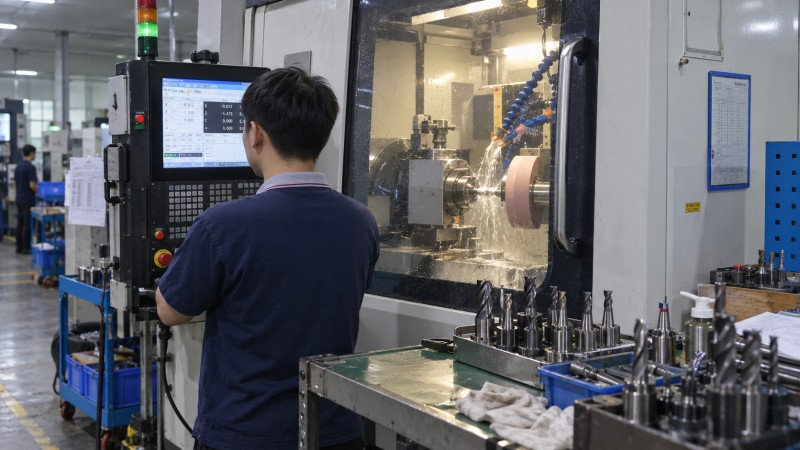
The tested carbide rod then moves into the grinding process. DOHRE uses CNC tool grinding equipment, including Walter, ANCA, and DECKEL machines, to produce the required tool geometry.
Grinding establishes the dimensions and cutting features defined in the engineering drawing, preparing the tool for final edge preparation and inspection.
After grinding, the cutting edges are sharpened according to the confirmed tool design. This step completes the primary cutting geometry before the tool moves to quality inspection.
The finished tool is then prepared for final inspection, packaging, and delivery.
Complete application information gives the engineering team a clear basis for tool design. Customers can provide the following information when requesting a custom cutting tool:
| Requirement | Details Required for Engineering Evaluation |
|---|---|
| Part and Tool Requirements | Part drawing or CAD file, workpiece material, cutting operation, tolerance, and surface finish requirements |
| Machining and Production Requirements | Machine type, machining conditions, coating preference, and required quantity |
Providing complete technical information helps DOHRE evaluate the application and develop a custom tool configuration based on the actual machining requirements.
Tool design needs to reflect the actual machining application. Workpiece material, tool geometry, and coating can all influence the configuration selected for a custom cutting tool.
Different materials create different cutting conditions. Steel, stainless steel, aluminum, titanium alloy, and hardened steel may require different tool configurations and coating solutions.
DOHRE provides material specific end mill series while also developing non standard tools for applications that require customized dimensions or geometry.
When a standard tool cannot provide the required profile, reach, diameter, cutting length, or other dimensions, the geometry can be customized.
DOHRE's non standard tooling service allows the tool design to be developed around the customer's drawing and machining requirements.
Coating is another part of the custom tool design process. DOHRE provides PVD and CVD coating options, including AlTiN, TiSiN, and nano layer coatings.
The appropriate coating can be selected according to the workpiece material and intended machining conditions.
DOHRE focuses on the development and manufacturing of solid carbide cutting tools. Its product range covers end mills, drill bits, reamers, inserts, and related tooling products.
For applications that require special dimensions or geometry, DOHRE provides non standard cutting tool solutions for industries such as automotive, aerospace, mold and die, medical, and electronics.
DOHRE's custom milling tools are developed around specific drawings, samples, and machining requirements.
These tools can be configured for applications where standard milling cutters cannot provide the required dimensions, geometry, or cutting characteristics.
Custom designs can be evaluated according to the workpiece material, machining operation, tolerance, surface finish, and required tool dimensions.
DOHRE can manufacture non standard solid carbide thread milling cutters according to customer drawings or machining requirements.Customization options include thread type, pitch, flute number, diameter, cutting length, overall length, and coating.
This allows the tool configuration to match specific internal or external threading applications.More details are available on DOHRE's custom solid carbide thread milling cutters.
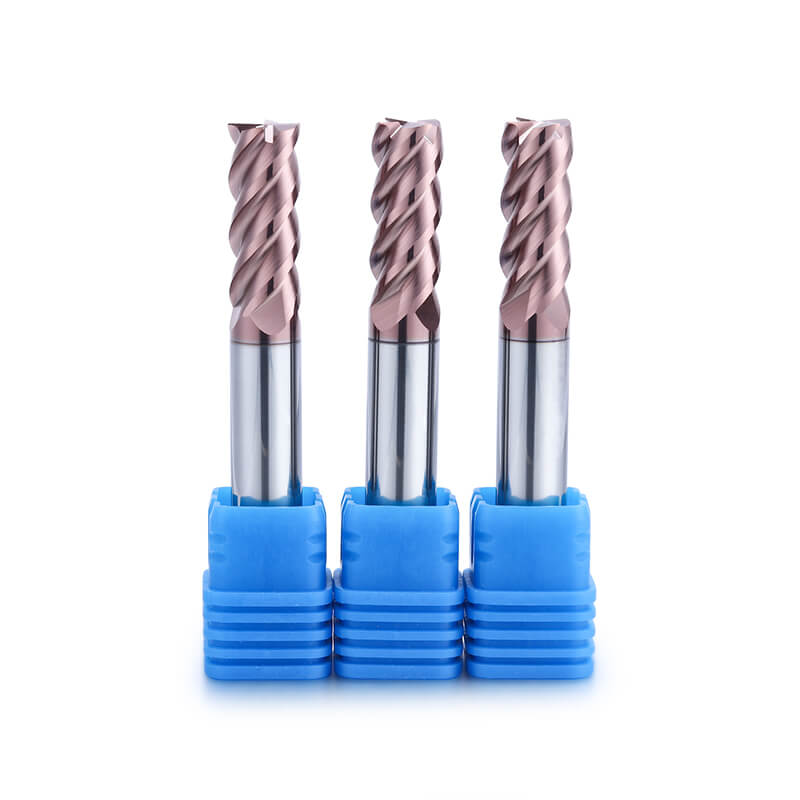
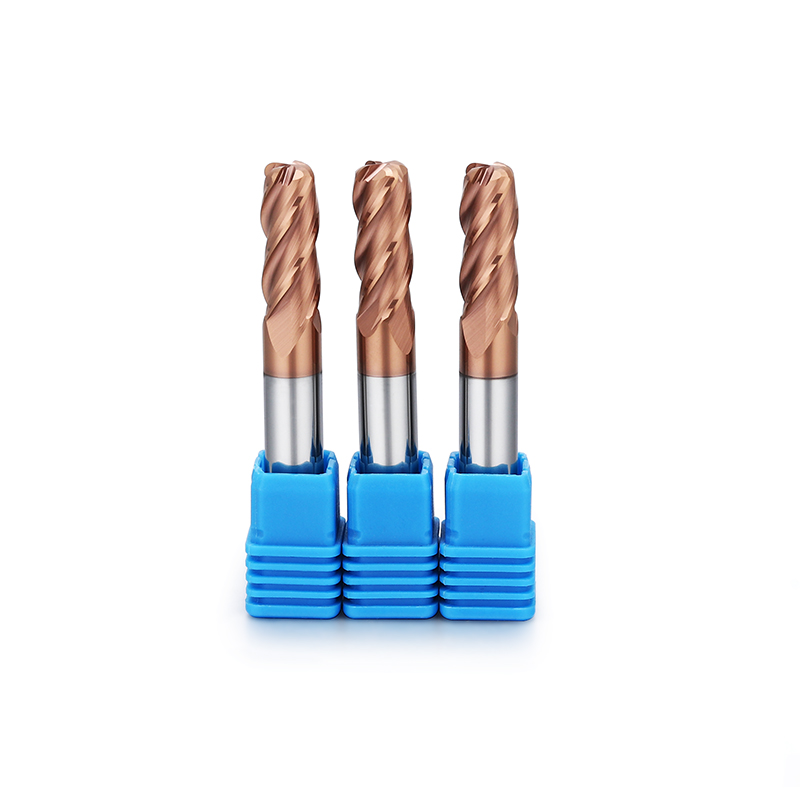
DOHRE also develops end mill series for different workpiece materials, including carbon steel, stainless steel, aluminum, titanium alloy, hardened steel, and graphite. Different materials can require different carbide grades, flute geometries, and coating solutions.
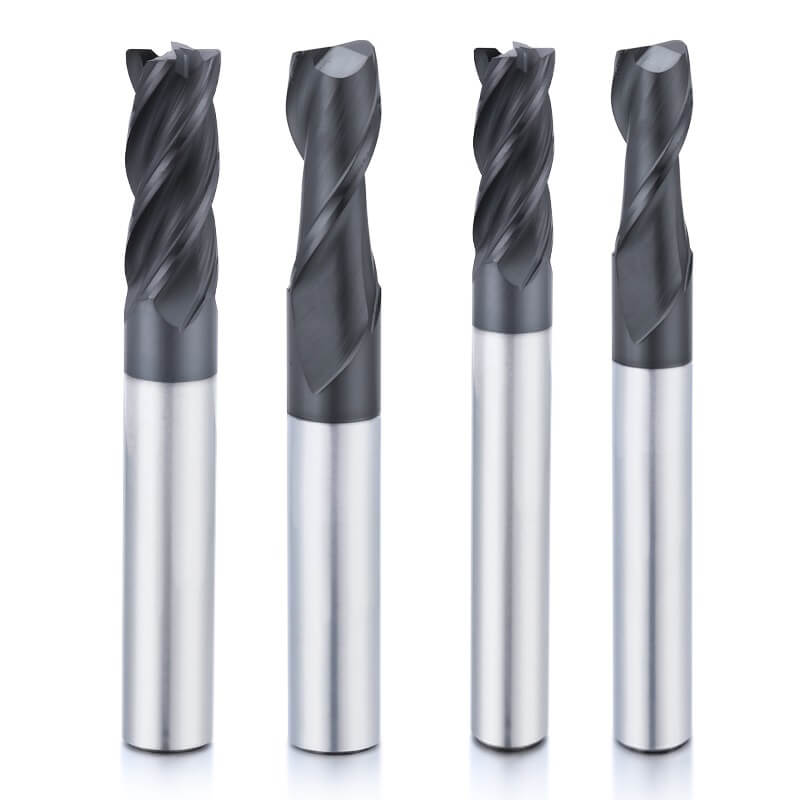
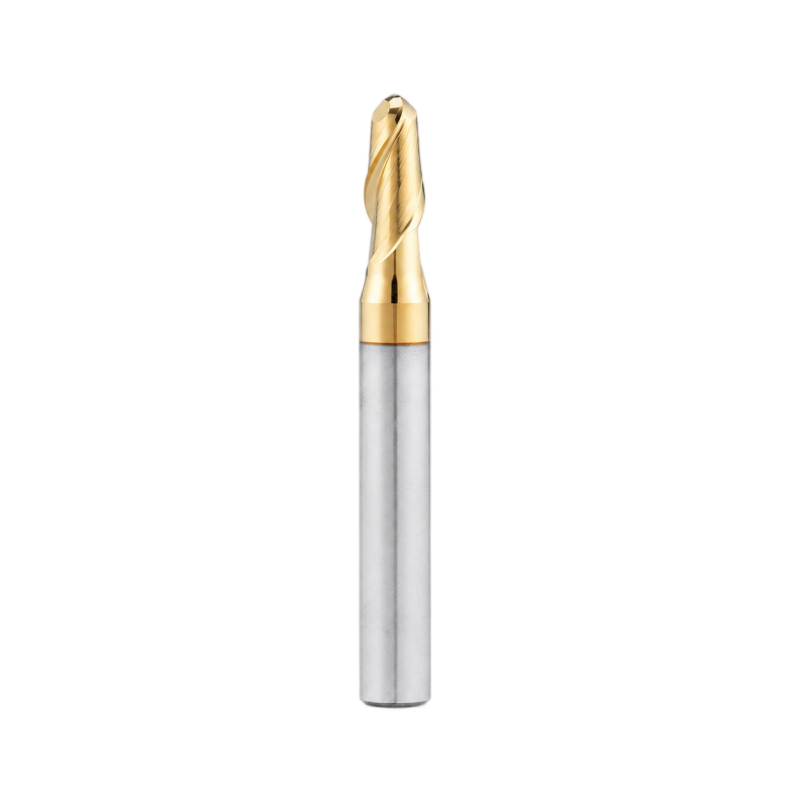
The DOHRE end mill range includes square end mills, ball nose end mills, corner radius end mills, roughing end mills, CBN, and PCD options. These standard series can also serve as a reference when determining whether a standard tool is suitable or a custom geometry is needed.
A custom cutting tool must meet the confirmed design requirements from material preparation to final delivery.
DOHRE applies quality control throughout the manufacturing process, combining material verification, process inspection, precision grinding, and final inspection.
Quality control starts with the carbide material. DOHRE states that its cutting tools are manufactured using 100% virgin raw materials, while bar material testing is completed before the carbide rod enters the grinding process.
This initial check provides a controlled material basis for the confirmed tool design and subsequent manufacturing operations.
During production, inspection continues as the carbide rod moves through grinding and edge preparation. CNC grinding and inspection equipment helps control dimensional accuracy and tool geometry during manufacturing.
DOHRE's facilities use equipment from manufacturers including Walter and ANCA, while Helicheck Plus and universal tool microscopes are used for tool inspection. These systems support the dimensional and profile checks required for precision cutting tools.
Before shipment, DOHRE carries out 100% full inspection of finished tools. Final inspection provides a final verification of the manufactured tool against the confirmed requirements before packaging and delivery.
For custom tools, this step is particularly important because the finished geometry and dimensions must correspond to the engineering requirements established during the design stage.
Yes. DOHRE's custom service accepts customer drawings, CAD files, samples, and machining requirements as the basis for custom tool development.
Yes. DOHRE develops non standard milling tools for applications requiring specific dimensions, geometry, or machining characteristics.
Yes. DOHRE manufactures non standard solid carbide thread milling cutters according to customer drawings or machining requirements, with options for thread type, pitch, flute number, dimensions, and coating.
DOHRE's MOQ can vary according to the tool type and project requirements. Customers should provide the tool specifications and required quantity for an accurate quotation.
DOHRE's custom CNC tool process connects customer drawings and machining requirements with engineering design, carbide material testing, precision grinding, edge sharpening, and final inspection.
As a solid carbide cutting tool manufacturer, DOHRE focuses on developing and producing cutting tools rather than machining customer parts. If you have a drawing, CAD file, sample, or specific tooling requirement, contact DOHRE to discuss your custom tool project and request an engineering evaluation.
Do you have a questions or an issues we can help you with?
Let’s talk about your project and how Dohre can help get your tools designed, manufactured and ready for the market.
By continuing to use the site you agree to our privacy policy Terms and Conditions.