2 Flute vs 4 Flute End Mills: Which Is Better for Metalworking?
Introduction
2 flute and 4 flute end mills are both widely used in metalworking, but they suit different materials and machining tasks. This article explains how flute count affects chip evacuation, rigidity, surface finish, and cutting performance, and helps users choose the right end mill for aluminum, steel, stainless steel, titanium, roughing, and finishing applications.
Choosing the right end mill is one of the most important decisions in CNC metalworking. Whether you are machining aluminum, stainless steel, alloy steel, or titanium, the number of flutes on your end mill directly affects chip evacuation, rigidity, surface finish, and overall machining efficiency.
Among all tool configurations, 2 flute end mills and 4 flute end mills are the most commonly used. Although they may look similar, their performance and application scenarios are completely different.
This guide explains the differences between 2 flutes and 4 flutes, helping you decide which end mill is better for your metalworking needs.
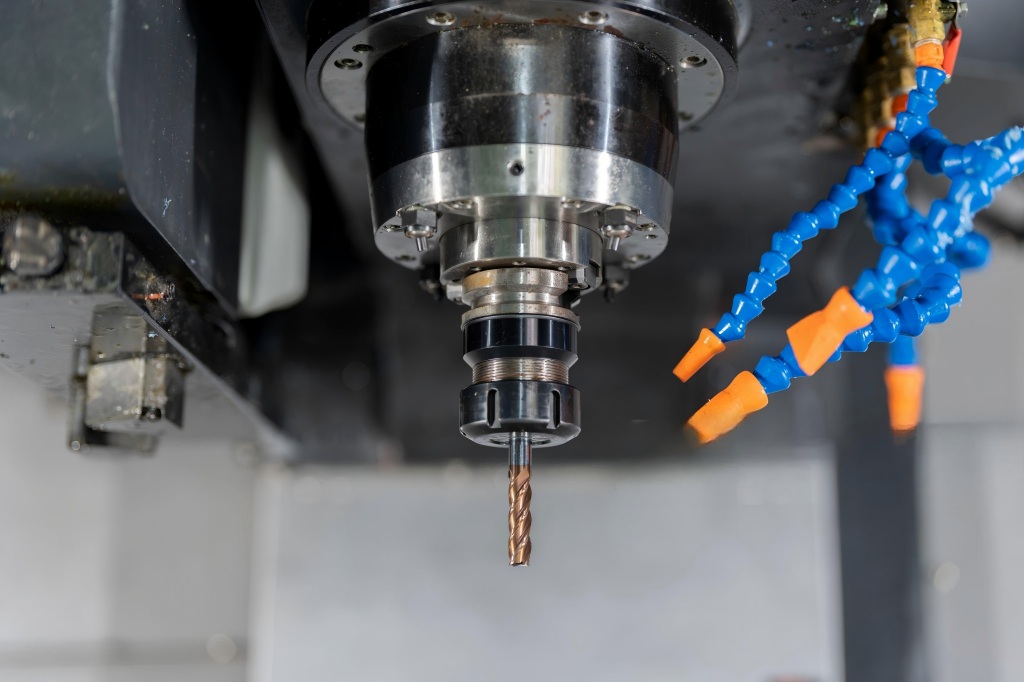
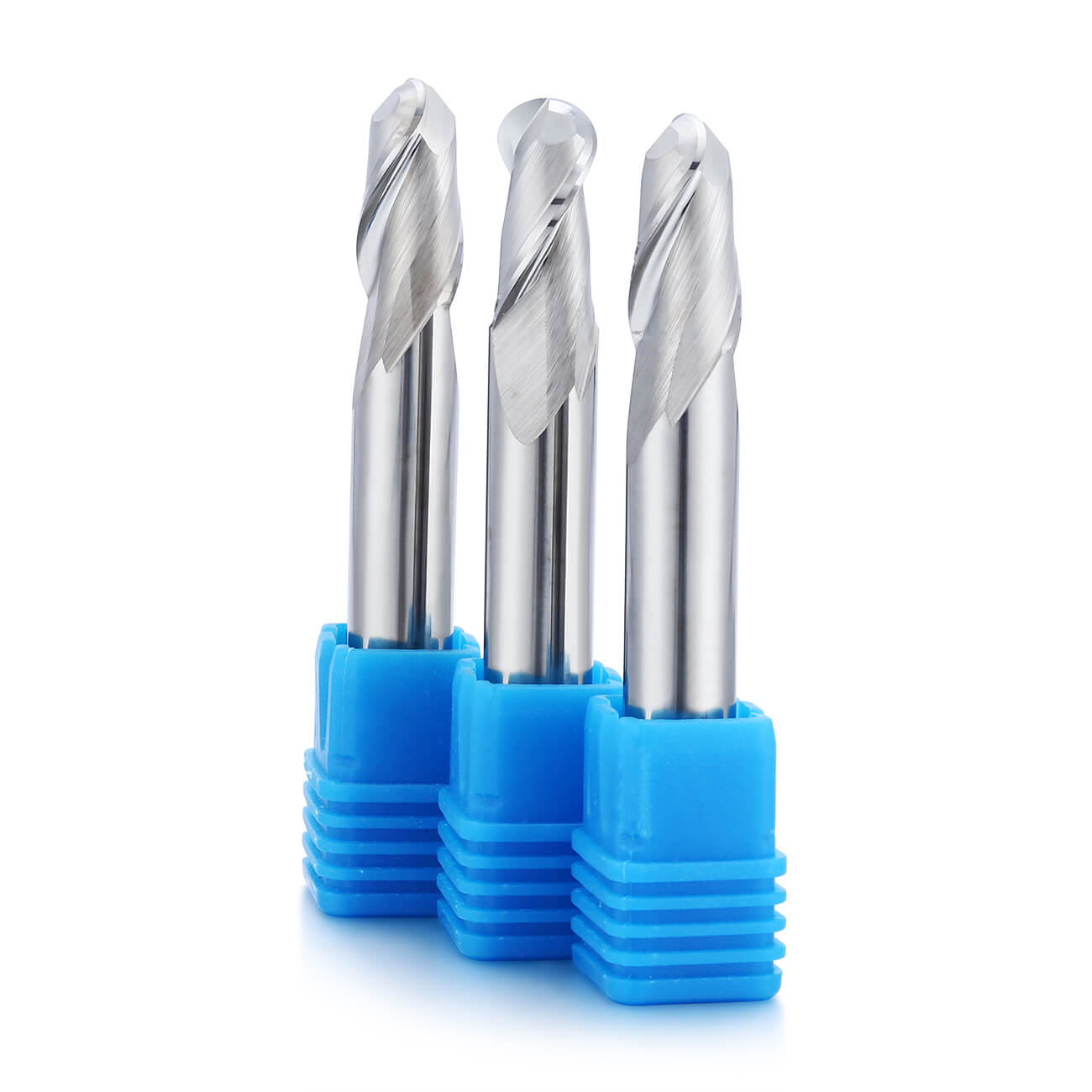
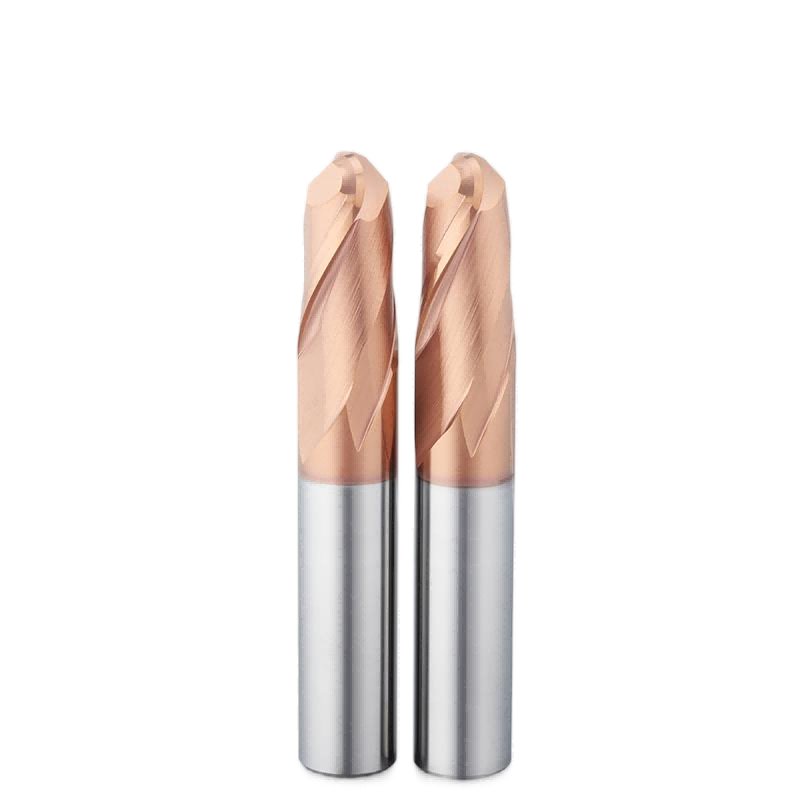
What Is a 2 Flute End Mill?
Key Features
l Larger chip space between flutes
l Sharper cutting edges
l Less contact with the material per rotation
l Better chip evacuation at high feed rates
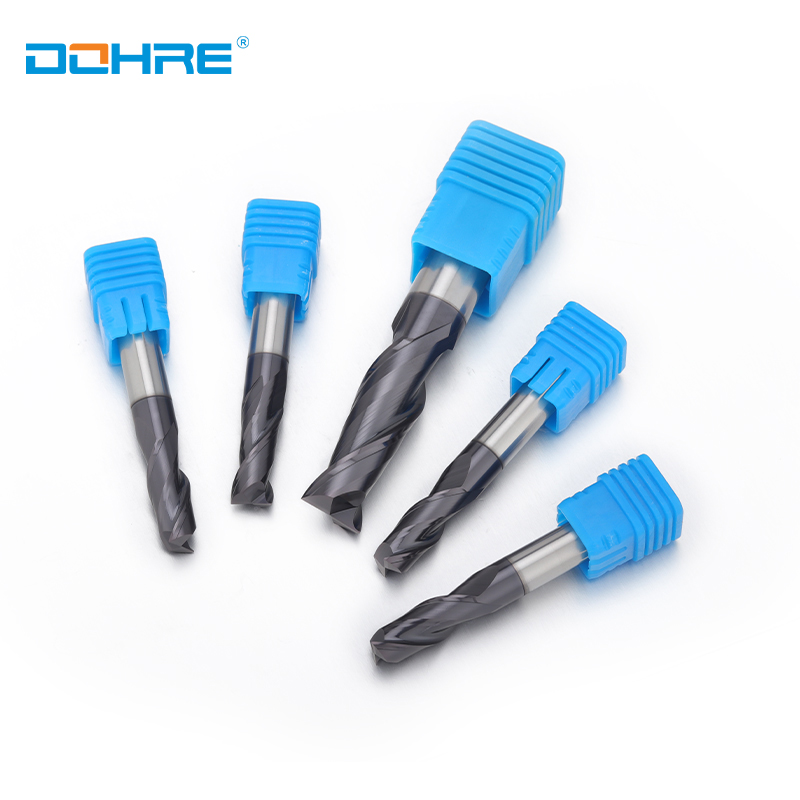
Best For
l Aluminum, copper, brass, and other soft materials
l High-speed machining
l Slotting and deep pocketing
l Roughing applications
l CNC machines with lower rigidity
Advantages of 2 Flute End Mills
l Excellent chip evacuation
l Reduced risk of chip packing
l Lower cutting temperature
l Ideal for preventing built-up edge on soft metals
l Creates smooth surfaces on aluminum and non-ferrous materials
Limitations
l Less rigid compared to 4 flutes
l Not ideal for hard materials
l Less suitable for precision finishing on steel
Recommend Tools
l 2 Flute end mill for aluminum
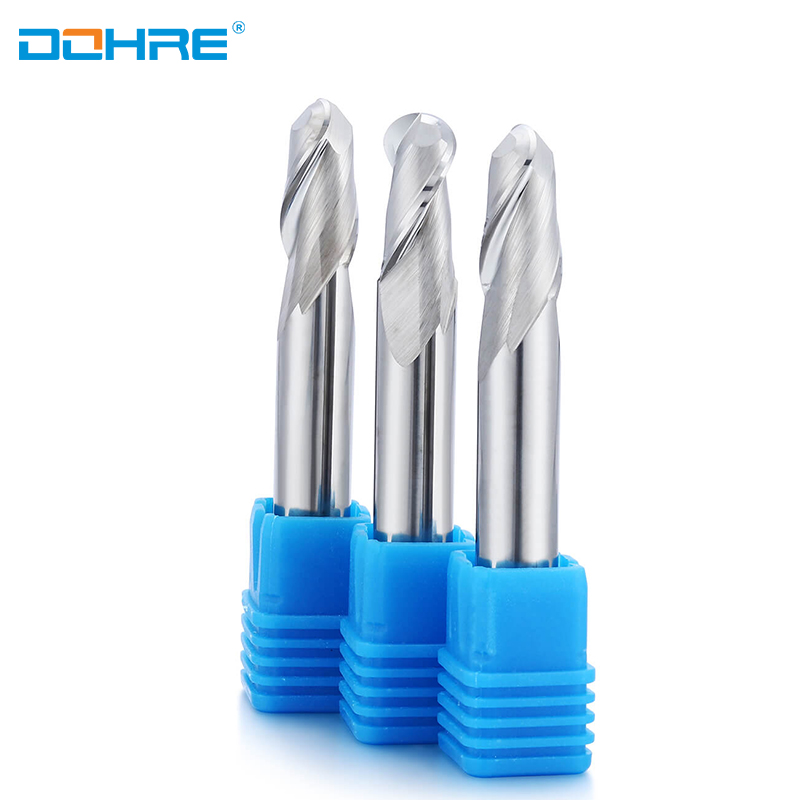
l 2Flute end mill for graphite

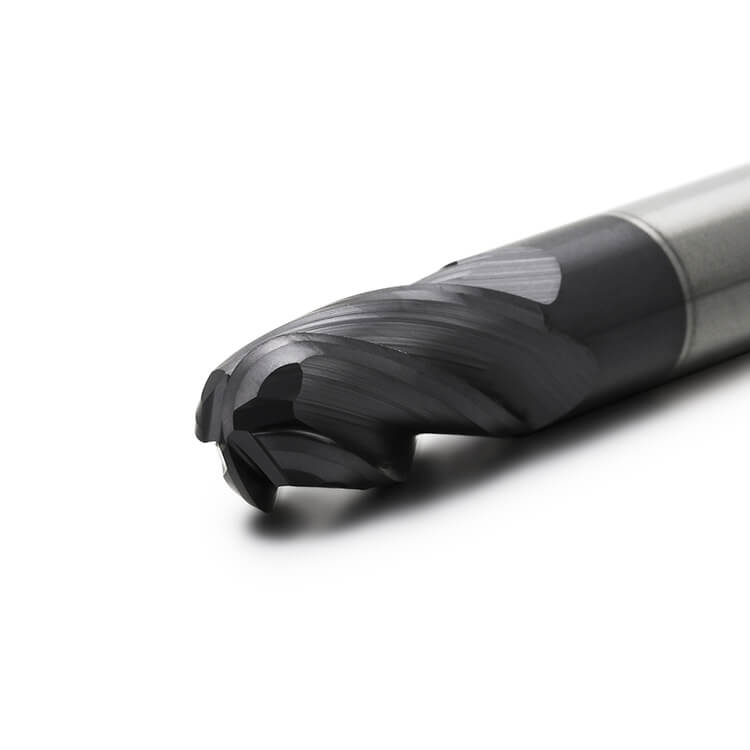
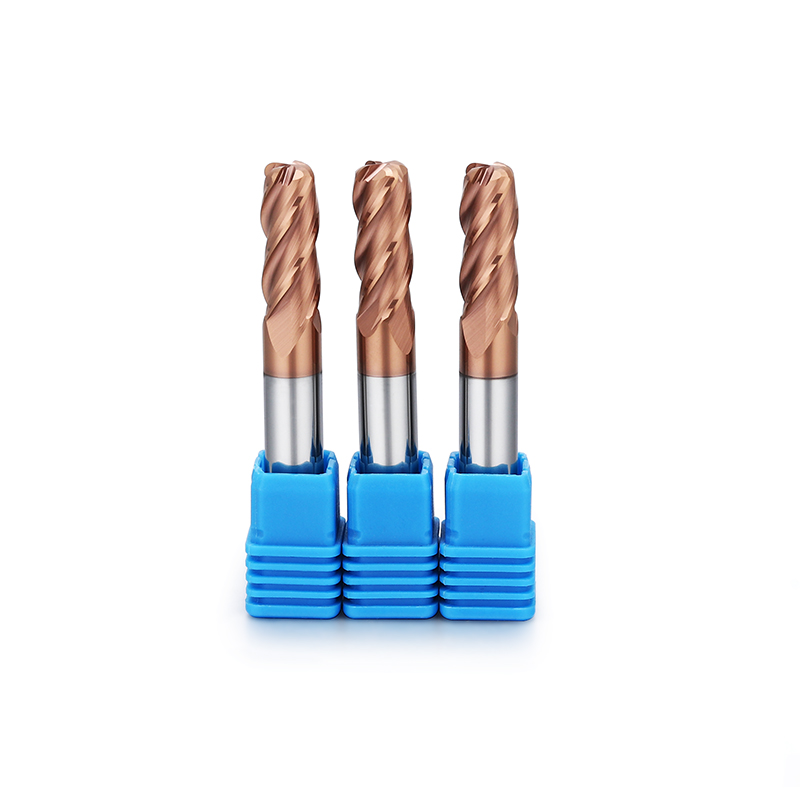
What Is a 4 Flute End Mill?
Key Features
l More cutting edges per rotation
l Smaller chip pockets
l Higher tool rigidity
l Better support during heavy cutting
Best For
l Stainless steel, alloy steel, carbon steel
l Hard materials and heat-resistant metals
l Finishing operations
l Side milling and profile cutting
l When high rigidity and accuracy are required
Advantages of 4 Flute End Mills
l Higher strength and stability
l Longer tool life
l Greater precision and smoother finishes
l Suitable for high-speed finishing of steels
l Ideal for difficult-to-machine metals
Limitations
l Chip evacuation is more difficult
l Not suitable for soft or sticky materials like aluminum
l Higher risk of chip clogging during deep slotting
Recommend Tools
l 4Flute end mill for titanium

l 4flute end mill for stainless steel

2Flute Vs 4flute End Mill Differences
Features | 2flute end mill | 4Flute end mill |
Chip Space | Larger | Smaller |
Chip Evacuation | Excellent | Moderate |
Tool Rigidity | Lower | Higher |
Cutting Speed | Faster | Slight slower |
Surface Finish | Average | Excellent |
Best Material | Aluminum,plastics,copper | Steel,Stainless steel, titanium |
Typical Use | Roughing,slotting | Finishing,profilling |
How to Choose the Right Flute Count
When selecting the right end mill, consider:
l Material hardness
l Machining type (slotting, side milling, finishing)
l Machine rigidity
l Required surface finish
l Chip evacuation needs
General rule:
l More flutes = higher strength + better finish
l Fewer flutes = better chip evacuation
FAQ: 2 Flute vs 4 Flute End Mills
1. Which is better for beginners?
2 flute end mills are easier for beginners because chip evacuation is simpler.
2. Are 4 flute end mills always stronger?
Yes, more cutting edges provide better rigidity.
3. Can I use a 4 flute end mill for aluminum?
Not recommended; chips may clog the flutes.
4. What is the best end mill for titanium?
A 4 flute carbide end mill with a heat-resistant coating (AlTiN, TiAlN).
5. Do more flutes mean a better finish?
Yes. More cutting edges improve surface smoothness.