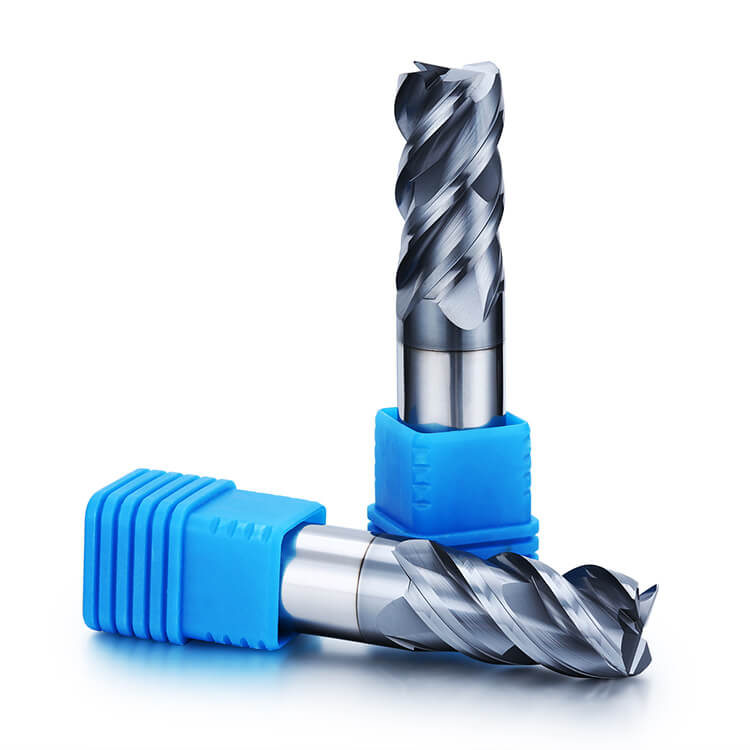
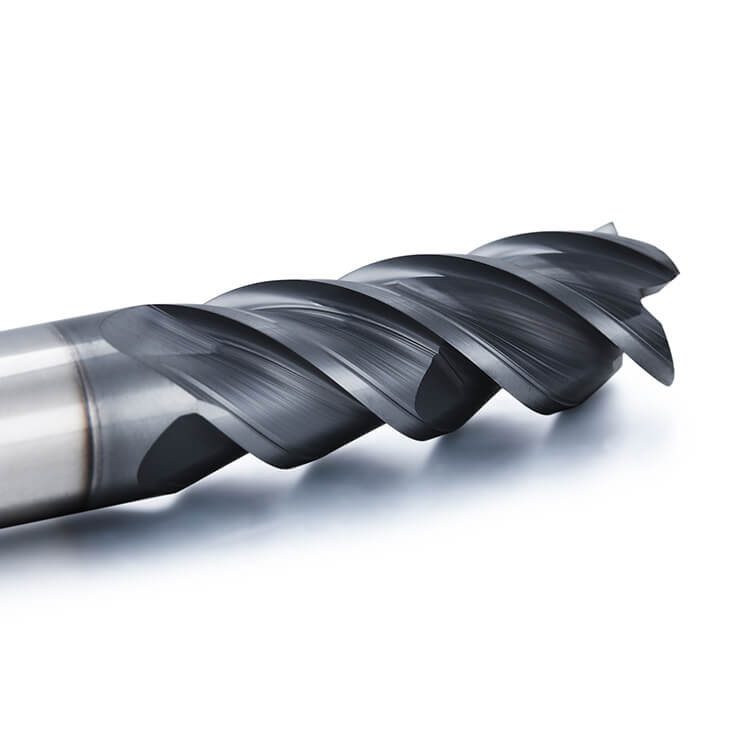
Stainless Steel End Mill: Types, Applications, and How to Choose the Right One
Introduction
Choosing the right stainless steel end mill is important for improving cutting stability, controlling heat, and achieving better surface finish in demanding machining conditions. This guide explains the common types of stainless steel end mills, their applications, and how to select the right cutter for different CNC operations.
Stainless steel is widely used in CNC machining because of its strength, corrosion resistance, and broad industrial applications. However, it is also one of the more demanding materials to cut, especially when heat buildup, work hardening, and tool wear become serious during machining. Choosing the right stainless steel end mill is important for improving cutting stability, surface finish, and tool life.
This guide explains the common types of stainless steel end mills, their typical applications, and how to choose the right cutter for different stainless steel machining conditions. If you are comparing tooling options, it is helpful to review a dedicated end mill for stainless steel range rather than relying only on general-purpose tools.
Why Stainless Steel Needs a Dedicated End Mill
Compared with aluminum or carbon steel, stainless steel usually creates more heat during cutting and can be more difficult to machine smoothly. In many cases, the material tends to work harden if the cutting action is not stable enough. Once work hardening happens, the machining process can become less efficient and tool wear may increase quickly.
That is why stainless steel machining often requires a cutter with appropriate edge preparation, good rigidity, suitable flute geometry, and stable wear resistance. A tool designed for stainless steel is usually more suitable than a standard cutter used across very different materials.
Common Types of Stainless Steel End Mills
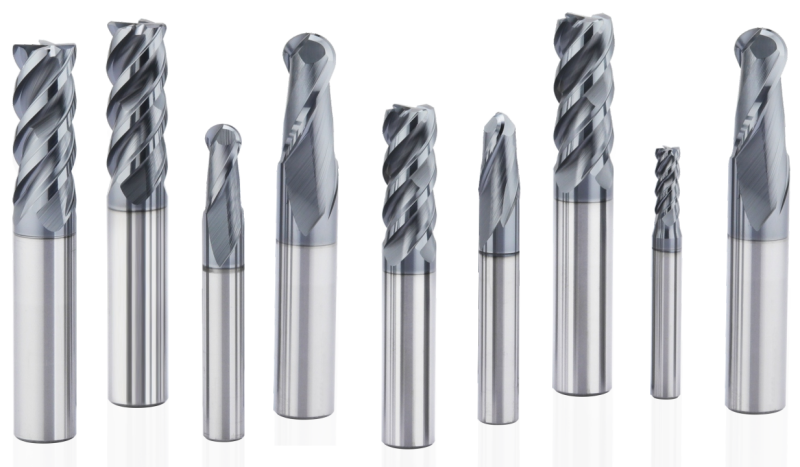
Different cutter shapes are suitable for different machining tasks. In stainless steel applications, the most common types include square end mills, ball nose end mills, and corner radius end mills.
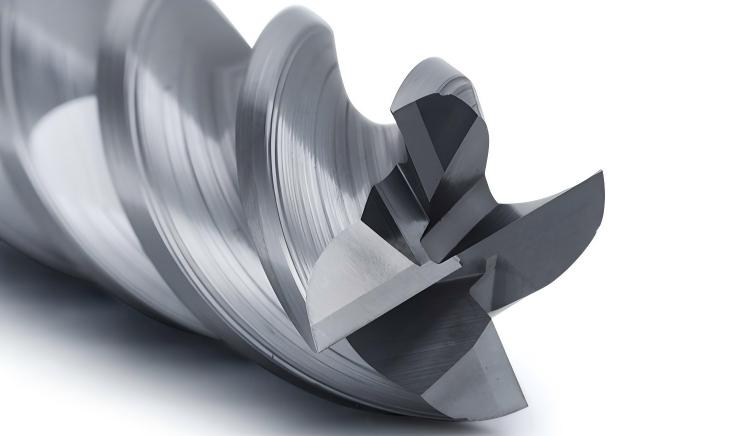
Square End Mills
A square end mill for stainless steel is commonly used for general side milling, slotting, profile machining, and many standard CNC operations. It is often the most practical starting point when the goal is general-purpose machining.
Ball Nose End Mills
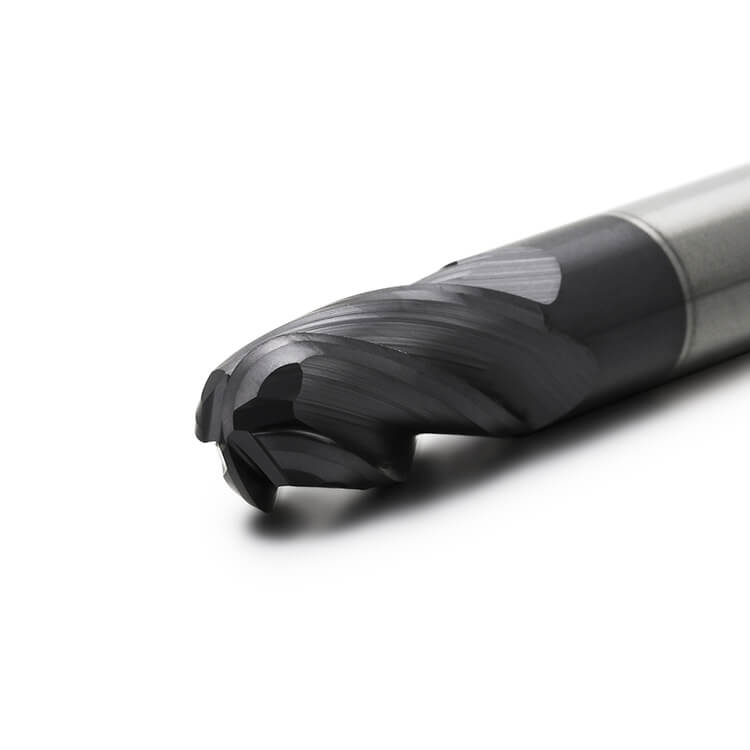
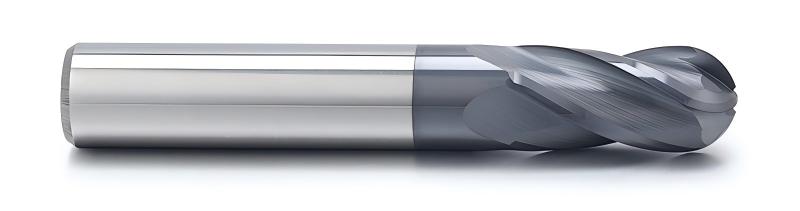
A ball nose end mill for stainless steel is more suitable for contour milling, cavity finishing, curved surfaces, and 3D profiles. It is often selected when smooth transitions and shaped geometry are required.
Corner Radius End Mills
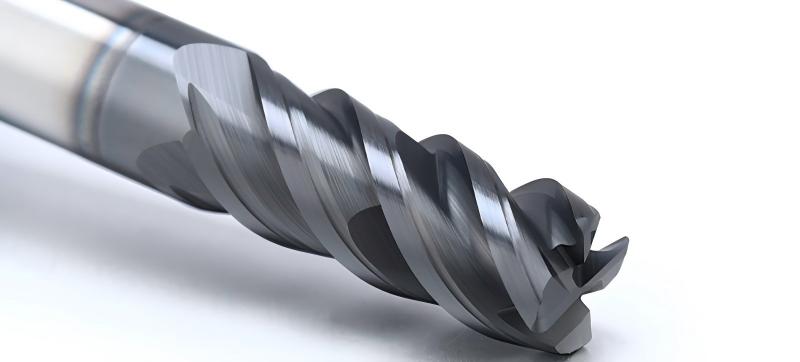
A corner radius end mill for stainless steel combines some of the advantages of square and ball nose designs. It can offer better edge strength than a sharp-cornered square end mill and is often suitable for finishing and semi-finishing tasks where tool strength and surface consistency both matter.
Applications of Stainless Steel End Mills
Stainless steel end mills are used in many industries because stainless steel itself is common in parts that require strength, corrosion resistance, and dimensional stability.
• medical and dental components
• mold and die parts
• precision mechanical components
• food processing equipment parts
• general industrial stainless steel machining
Because these applications often have higher requirements for finish, size control, and repeatability, selecting the right cutter type is important for process stability.
How to Choose the Right End Mill for Stainless Steel
Choosing the right end mill for stainless steel depends on the workpiece material, machining purpose, and cutting condition. Instead of selecting only by appearance, it is better to evaluate what the cutter actually needs to do in the process.
If flute count is one of your main concerns, you can also read our guide on how many flutes to choose for a stainless steel end mill.
Consider the Machining Operation
For side milling and general cutting, a square end mill is often suitable. For contouring and curved profiles, a ball nose end mill may be the better choice. For improved edge strength and more stable finishing, a corner radius end mill can be a practical option.
Consider Heat and Wear
Stainless steel often generates heat during machining, and tool wear can increase quickly if cutting conditions are not well matched. A tool intended for stainless steel should support stable cutting and controlled wear under more demanding conditions.
Consider Rigidity and Cutting Stability
Machine rigidity, fixture condition, and cutter geometry all influence the final result. Even a good cutter may not perform well if the setup is unstable. For this reason, tool selection should always be considered together with the machining environment.
Consider Surface Finish Requirements
If the part requires smoother finish or more accurate profile control, tool shape and edge condition become more important. In these cases, ball nose and corner radius designs may be preferred depending on the machining path.
Common Problems When Milling Stainless Steel
Many machining problems in stainless steel are not caused by the material alone, but by the mismatch between cutter type and cutting condition.
Work Hardening
If the cutter does not cut efficiently enough, the material may harden during machining, which makes subsequent cutting more difficult.
Heat Buildup
Excessive heat can reduce tool life and affect finish quality. Stainless steel machining often requires better heat control than softer materials.
Rapid Tool Wear
If the cutter is not suitable for stainless steel, the edge may wear faster and the machining result may become inconsistent.
Poor Surface Finish
Surface quality may suffer if the tool shape, edge condition, or cutting stability does not match the actual application.
Choosing Between Square, Ball Nose, and Corner Radius End Mills
In many stainless steel applications, users compare three common options: square, ball nose, and corner radius end mills. The choice depends on machining purpose rather than which design is always better.
• Square end mills are practical for general side milling, slotting, and profile work.
• Ball nose end mills are more suitable for contouring, cavities, and curved surfaces.
• Corner radius end mills are often chosen when better edge strength and more stable finishing are needed.
If your machining includes different tasks on stainless steel parts, comparing several cutter types within a dedicated stainless steel end mill range is often the most practical approach.
Conclusion
Choosing the right stainless steel end mill is important for improving cutting stability, controlling heat, and maintaining better finish quality in demanding machining conditions. The best cutter depends on the task itself, whether that means general milling, contouring, or finishing.
Square end mills, ball nose end mills, and corner radius end mills all have their own advantages in stainless steel applications. Instead of choosing by shape alone, it is better to match the tool design to the real machining purpose and process condition.
If you are evaluating tooling solutions, exploring a complete End Mill for Stainless Steel range can help you compare different cutter types and choose the right option more efficiently.
FAQ
What is a stainless steel end mill used for?
A stainless steel end mill is used for machining stainless steel parts in operations such as side milling, slotting, contouring, finishing, and general CNC cutting.
What types of end mills are commonly used for stainless steel?
Common types include square end mills, ball nose end mills, and corner radius end mills. Each is suitable for different machining tasks.
When should I use a ball nose end mill for stainless steel?
A ball nose end mill is often suitable for contour milling, cavities, 3D surfaces, and curved profiles where smooth geometry is required.
When is a corner radius end mill a better choice for stainless steel?
A corner radius end mill is often preferred when better edge strength, improved finishing stability, and more durable cutting edges are needed.
Why is stainless steel difficult to machine?
Stainless steel can generate more heat during cutting and may work harden if machining conditions are not stable enough. This makes tool selection more important.
Looking for the Right Stainless Steel End Mill?
Explore our End Mill for Stainless Steel range to compare square end mills, ball nose end mills, and corner radius end mills for different CNC applications.
Contact us for product recommendations and custom tool solutions.