CBN End Mill for Hardened Steel: How to Improve Accuracy and Tool Life
Introduction
CBN end mills are widely used in hardened steel machining when high accuracy, wear resistance, and stable cutting performance are required. This guide explains why CBN is suitable for hardened steel applications and how to choose the right tool to improve accuracy and tool life.
CBN end mills are widely used in hardened steel machining when high accuracy, wear resistance, and stable cutting performance are required. This guide explains why CBN is suitable for hardened steel applications and how to choose the right tool to improve accuracy and tool life.
If you are comparing different options for machining quenched steel, it is important to understand not only cutter material, but also cutting conditions, workpiece hardness, tool geometry, and accuracy requirements. A suitable cutting tool can make a clear difference in surface finish, profile consistency, and overall machining stability.
Why Use a CBN End Mill for Hardened Steel
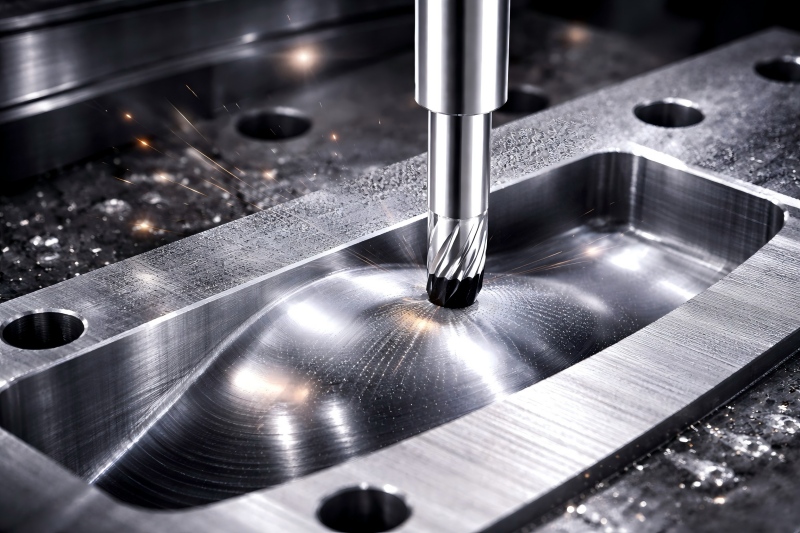
Hardened steel is difficult to machine because of its high hardness, strong wear resistance, and greater cutting load. In many finishing and semi-finishing operations, conventional tools may wear quickly or struggle to maintain stable dimensional accuracy.
A CBN end mill is often selected for hardened steel machining because it offers high hardness, strong wear resistance, and more stable cutting performance under demanding conditions. In applications where surface finish, profile accuracy, and repeatable tool life matter, CBN can provide clear advantages.
For users looking for tooling options in this material range, it is helpful to review a dedicated end mill for quenched steel category rather than relying only on general-purpose cutters.
What Makes CBN Suitable for Hardened Steel Machining
CBN, or cubic boron nitride, is one of the hardest cutting tool materials used in precision machining. It is especially suitable for high-hardness ferrous materials and is widely used in hardened steel applications where wear resistance and dimensional stability are important.
High Hardness and Wear Resistance
CBN has excellent hardness, which helps maintain edge integrity when cutting hardened steel. This is important for reducing rapid wear and keeping machining accuracy more stable over time.
Stable Performance in High-Hardness Materials
When machining hardened or quenched steel, cutting forces and heat can increase quickly. A properly designed CBN tool can handle these conditions more effectively, especially in applications where profile accuracy and edge stability are critical.
Longer Effective Tool Life
Although tool life always depends on the actual cutting condition, CBN tools are often chosen because they can provide more stable wear performance in hardened steel compared with many general-purpose options.
If you want a broader overview of CBN tools, materials, and general applications, you can also read our guide on what a CBN end mill is.
How CBN End Mills Improve Accuracy and Surface Finish
In hardened steel machining, one of the main concerns is whether the tool can maintain accuracy as cutting continues. As tool wear increases, profile deviation, surface inconsistency, and dimensional errors become more likely.
A CBN end mill can help improve machining accuracy because its cutting edge tends to remain more stable under appropriate conditions. This is especially valuable in applications involving molds, dies, quenched steel parts, and other precision components that require reliable geometry and smoother finish quality.
In addition, a tool with better wear resistance can help reduce frequent tool changes and support more consistent surface results in repeated machining operations.
Common Applications of CBN End Mills in Hardened Steel
CBN end mills are commonly used in applications where hardened steel machining requires precision, wear resistance, and stable finish quality.
• mold and die finishing
• precision contour milling of hardened parts
• semi-finishing and finishing of quenched steel
• high-accuracy machining of tool steel components
• applications requiring stable profile accuracy and longer wear resistance
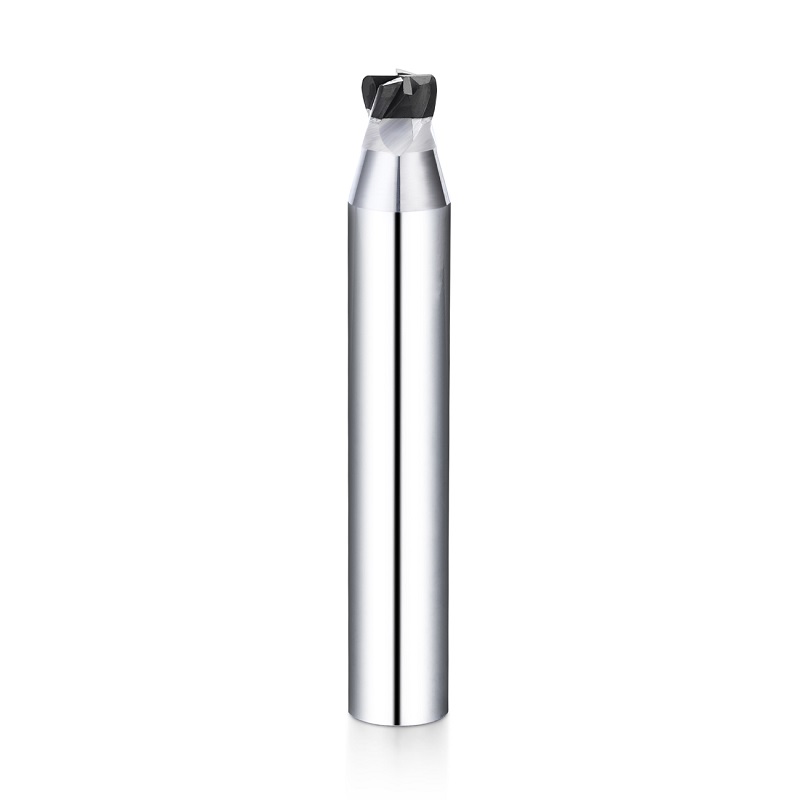
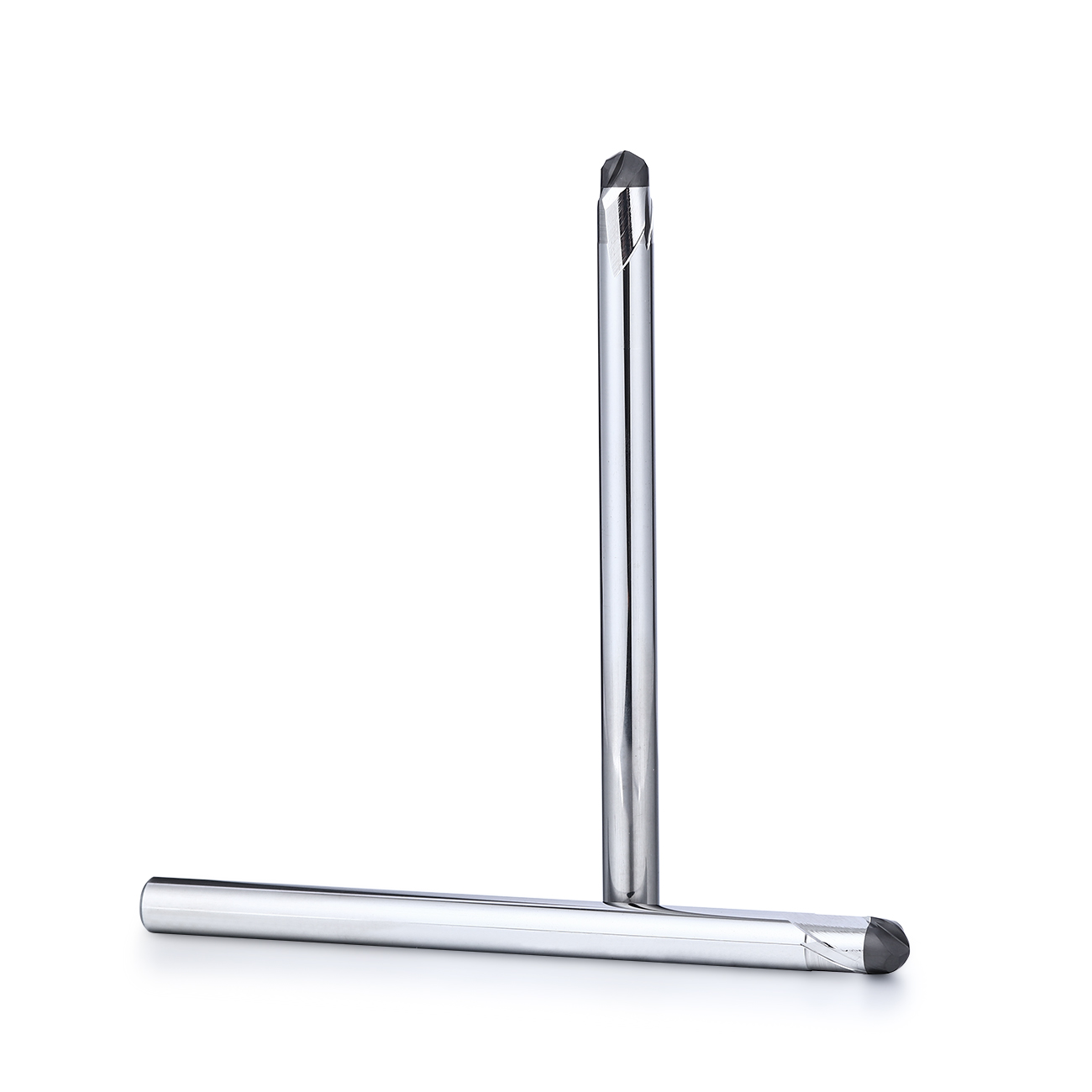
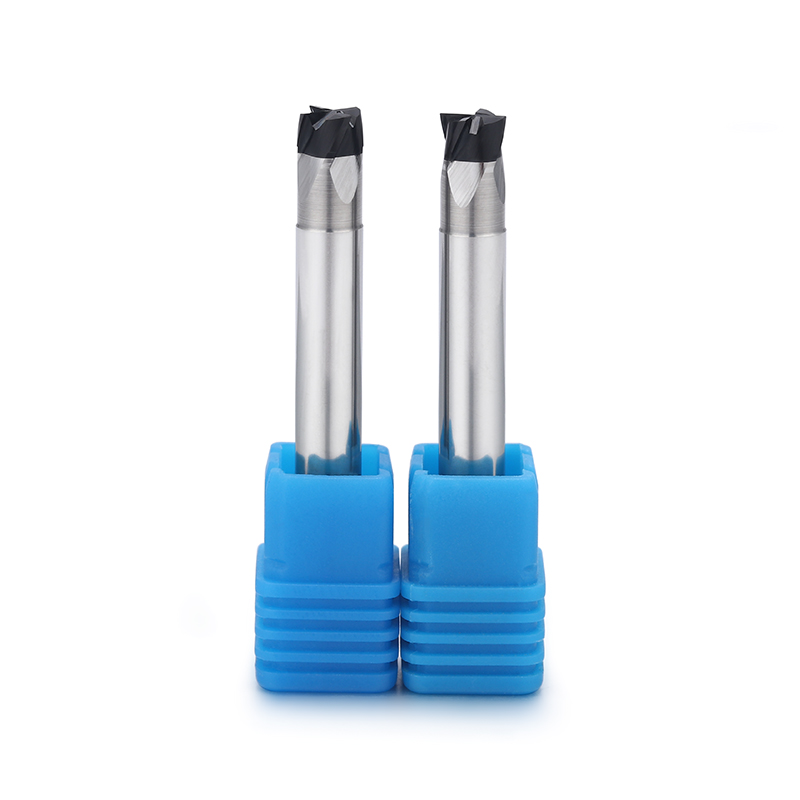
Different cutter shapes are suitable for different tasks. A CBN ball nose end mill is often used for contour milling, curved surfaces, and cavity finishing, while a CBN corner radius end mill is commonly preferred where better edge strength and stable finishing performance are required.
CBN Ball Nose vs Corner Radius End Mills for Hardened Steel
When selecting a CBN cutter for hardened steel, the cutter shape is just as important as the tool material. Different machining tasks may require different end mill geometries.
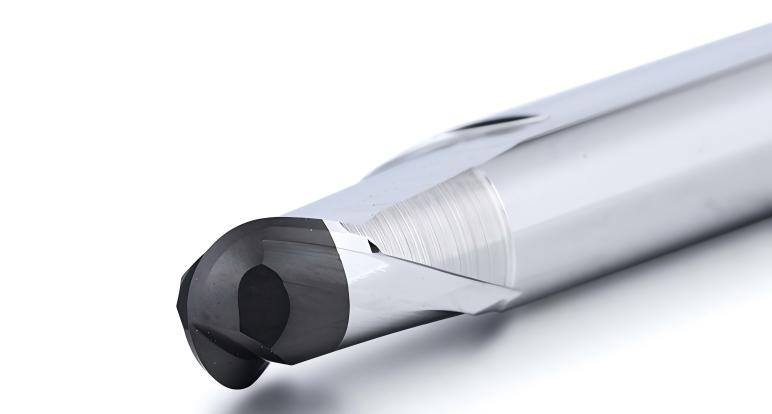
CBN Ball Nose End Mills
A CBN ball nose end mill is generally more suitable for 3D profiles, precision cavities, curved surfaces, and contour finishing. It is a practical choice when smooth transitions and detailed geometry are important.
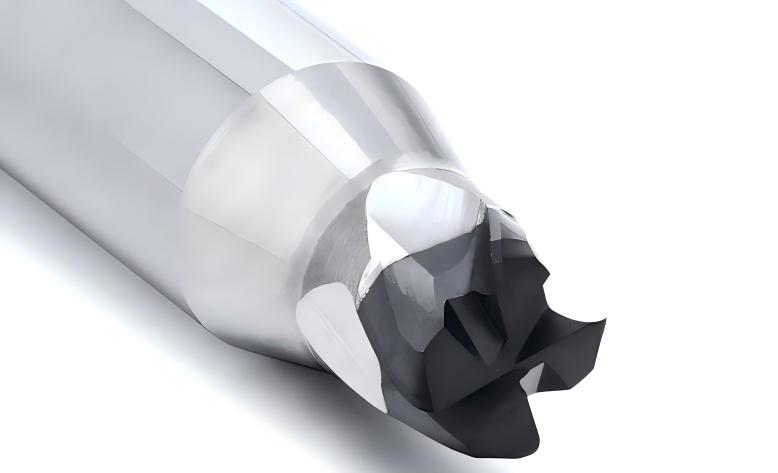
CBN Corner Radius End Mills
A CBN corner radius end mill is often chosen when better edge strength and more stable finishing performance are needed. It can be suitable for semi-finishing and finishing operations where tool strength and accuracy both matter.
CBN End Mill vs Carbide End Mill for Hardened Steel
A carbide end mill can still be used in some hardened steel applications, especially where hardness is lower or cutting conditions are less demanding. However, as workpiece hardness increases, carbide tools may wear faster and lose accuracy more quickly.
A CBN end mill is generally more suitable when the priority is high accuracy, better wear resistance, and stable finishing performance in hardened steel. The final choice depends on workpiece hardness, machining purpose, cost expectations, and surface finish requirements.
When Carbide May Be Enough
Carbide may still be practical for lighter-duty operations, lower-hardness materials, or rougher processes where extreme accuracy is not the main concern.
When CBN Is a Better Choice
CBN is often the better option when machining hardened steel parts that demand better dimensional accuracy, improved wear resistance, and more reliable finish quality.
How to Choose the Right CBN End Mill
Choosing the right CBN end mill for hardened or quenched steel depends on more than just the cutter material. You should also consider the real machining task and workpiece condition.
Workpiece Hardness
The actual hardness of the workpiece affects whether CBN is necessary and what type of cutting condition is appropriate.
Machining Purpose
Finishing, semi-finishing, profile milling, and contour machining may require different tool preferences. The more accuracy-sensitive the process is, the more important tool stability becomes.
Tool Geometry
Ball nose and corner radius designs are not interchangeable in every situation. The right geometry should match the actual machining path and finish requirement.
Machine Rigidity and Setup
Even a high-performance CBN tool still depends on stable machining conditions. Machine rigidity, spindle stability, fixture setup, and cutting parameters all affect the final result.
If you are comparing tooling options for high-hardness materials, it is often useful to review the full end mill for quenched steel range before choosing the most suitable cutter type.
Conclusion
A CBN end mill is often a strong choice for hardened steel machining when accuracy, wear resistance, and stable finishing performance are important. Compared with general cutting tools, it can offer better edge stability and more reliable machining results in high-hardness materials.
The best tool still depends on workpiece hardness, machining purpose, cutter geometry, and process stability. Instead of choosing by name alone, it is better to evaluate the actual cutting condition and select a tool designed for quenched or hardened steel applications.
If you are looking for tooling solutions for precision hardened steel machining, exploring a suitable CBN milling solution for quenched steel can help you choose a more effective option for your application.
FAQ
Why is a CBN end mill used for hardened steel?
A CBN end mill is often used for hardened steel because it offers high hardness, strong wear resistance, and more stable cutting performance in high-hardness materials.
Is CBN better than carbide for hardened steel?
In many precision hardened steel applications, yes. CBN is often more suitable when the goal is better accuracy, improved wear resistance, and more stable finish quality.
When should I use a CBN ball nose end mill?
A CBN ball nose end mill is often suitable for contour milling, cavity finishing, and curved surfaces where detailed geometry and smooth transitions are important.
When is a CBN corner radius end mill a better choice?
A CBN corner radius end mill is often preferred when better edge strength and more stable finishing performance are needed in hardened or quenched steel machining.
How do I choose the right CBN end mill for quenched steel?
You should consider workpiece hardness, machining purpose, cutter geometry, machine rigidity, and finish requirements. A tool that matches the real cutting condition will usually perform better than a general-purpose option.
Looking for a CBN End Mill for Quenched Steel?
Explore our End Mill for Quenched Steel range to compare different CBN solutions for high-accuracy machining applications.
Contact us for product recommendations and custom tool solutions.