What Is a CBN End Mill? Materials, Applications, and Key Benefits
Introduction
A CBN end mill is widely used in high-hardness machining because of its excellent wear resistance, cutting stability, and ability to maintain accuracy in demanding materials. This guide explains what a CBN end mill is, what materials it is suitable for, and how it compares with other cutting tool options.
A CBN end mill is widely used in high-hardness machining because of its excellent wear resistance, cutting stability, and ability to maintain accuracy in demanding materials. This guide explains what a CBN end mill is, what materials it is suitable for, and how it compares with other cutting tool options.
When machining hardened or quenched steel, choosing the right tool material can directly affect accuracy, tool life, and surface finish. For many applications involving high-hardness ferrous materials, a dedicated end mill for quenched steel is often more suitable than a general-purpose cutter.
What Is a CBN End Mill
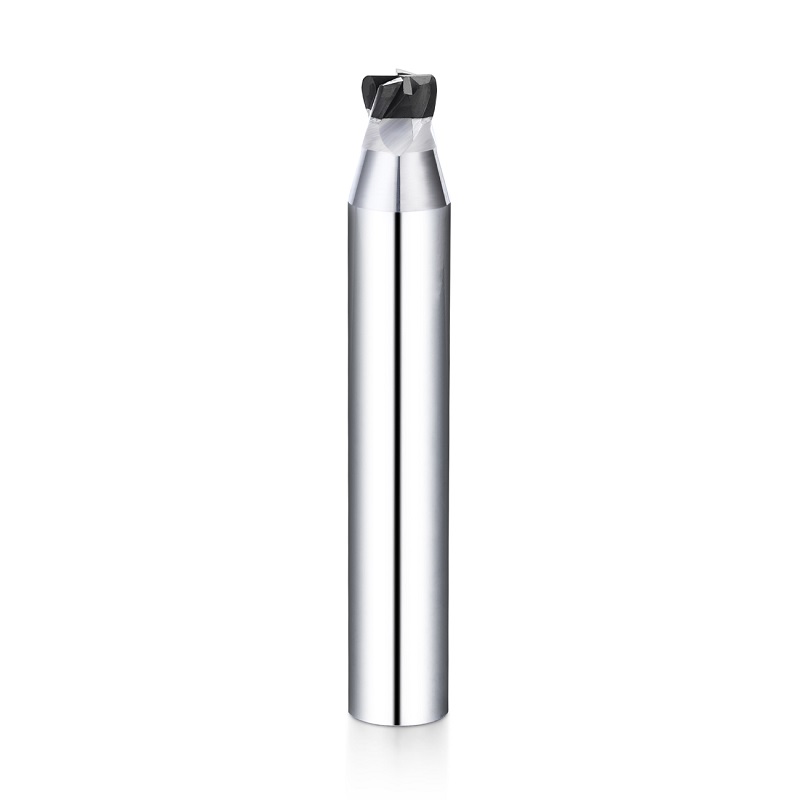
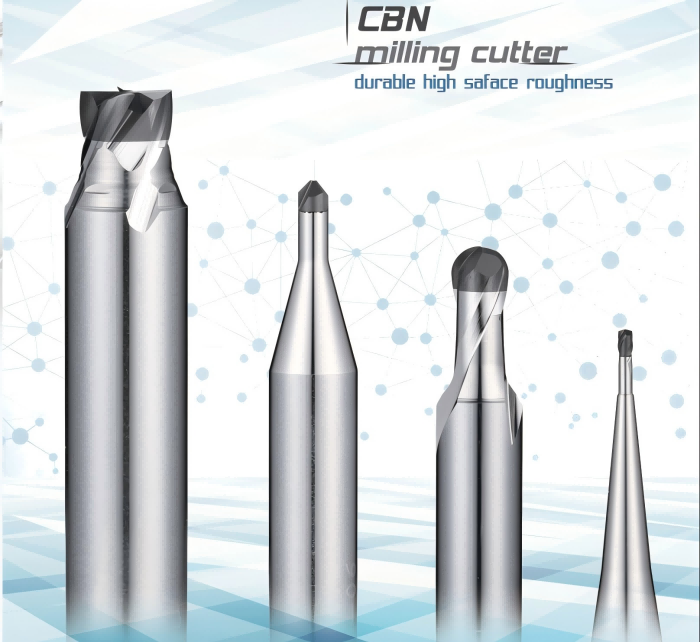
CBN stands for cubic boron nitride, which is one of the hardest cutting tool materials used in precision machining. A CBN end mill is designed for machining high-hardness materials where conventional cutting tools may wear too quickly or lose accuracy under demanding cutting conditions.
Compared with many standard tool materials, CBN is valued for its hardness, wear resistance, and stable cutting performance in hardened steel applications. This makes it a practical option for users who need better dimensional consistency and more reliable finishing results.
What Materials Are CBN End Mills Used For
CBN end mills are mainly used for high-hardness ferrous materials. They are especially suitable where cutting stability, wear resistance, and profile accuracy are more important than general-purpose versatility.
In many practical situations, CBN tools are selected when a standard carbide cutter is no longer enough to maintain cutting performance. If your process involves hardened or quenched materials, reviewing a specialized CBN milling solution for quenched steel can be more effective than using a general-purpose end mill.
For a more detailed look at how CBN tools are used in precision hardened steel machining, read our guide on CBN end mills for hardened steel.
Why Use a CBN End Mill
The main reason to use a CBN end mill is that high-hardness materials are more demanding to machine. When workpiece hardness increases, edge wear, heat, and dimensional instability often become more serious. CBN is often chosen because it helps improve machining reliability in these conditions.
Excellent Wear Resistance
CBN tools are widely valued for their wear resistance, which helps the cutting edge stay more stable over time. This is especially important in finishing and semi-finishing operations.
Better Accuracy in High-Hardness Materials
In hardened steel machining, a stable cutting edge helps maintain profile accuracy and more consistent machining results. This can be particularly important for precision components, molds, and dies.
More Stable Tool Life
Tool life always depends on the actual cutting condition, but CBN is often selected because it can provide more predictable wear performance in difficult materials.
CBN End Mill vs Carbide End Mill
CBN and carbide are both important tool materials, but they are not always suitable for the same applications. Carbide is widely used across many materials because of its versatility, while CBN is often chosen for more demanding high-hardness machining tasks.
When Carbide Is Commonly Used
Carbide is often suitable for general machining, roughing, and many standard metal cutting applications where workpiece hardness is lower and tool wear is easier to control.
When CBN Becomes a Better Choice
CBN becomes a stronger option when the workpiece is harder, the application is more accuracy-sensitive, or the process requires better wear resistance and finishing stability.
For users machining high-hardness materials, a CBN ball nose end mill or a CBN corner radius end mill may be more suitable depending on the actual geometry and finishing requirements.
Common Applications of CBN End Mills
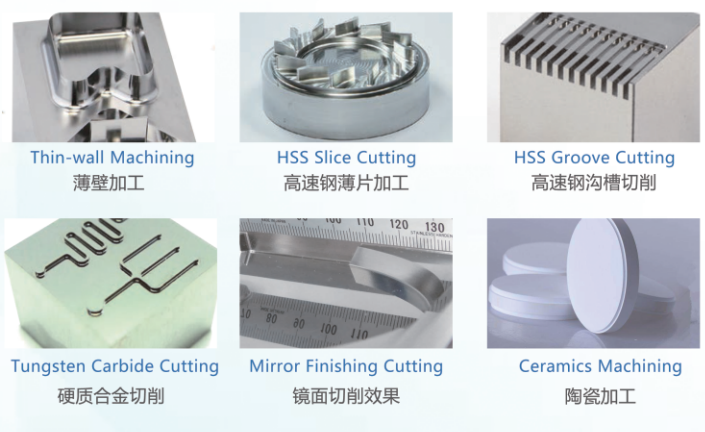
CBN end mills are used in many applications where material hardness and accuracy requirements are both high.
mold and die finishing
precision contour milling of hardened steel
semi-finishing and finishing of quenched steel parts
tool steel machining
applications requiring stable profile accuracy and better wear resistance
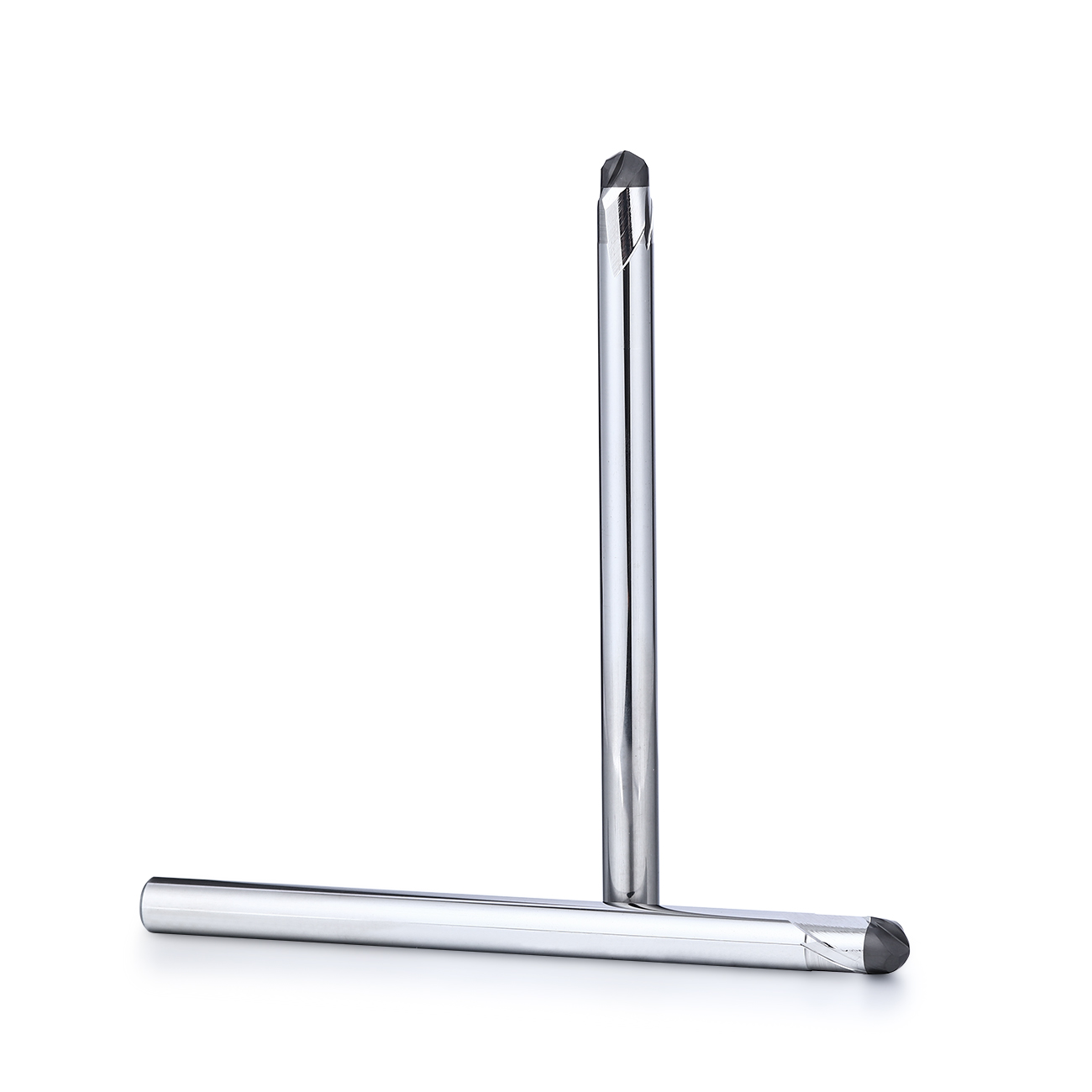
Different cutter shapes are suitable for different tasks. A CBN ball nose end mill is often used for contour milling, curved surfaces, and cavity finishing, while a CBN corner radius end mill is often selected when better edge strength and more stable finishing are required.
How to Choose the Right CBN End Mill
Choosing the right CBN end mill depends on more than just the tool material. Cutter shape, machining purpose, workpiece hardness, and setup stability all affect the final result.
Consider the Workpiece Hardness
The harder the material, the more important wear resistance and cutting stability become. CBN is usually considered when machining difficulty increases beyond the practical range of more general tools.
Consider the Cutter Geometry
Ball nose and corner radius designs are not interchangeable in every situation. The right geometry should match the required tool path, profile shape, and finish requirement.
Consider the Machining Purpose
Finishing, semi-finishing, cavity machining, and contour milling may each need different cutter preferences. The more accuracy-sensitive the process is, the more important tool stability becomes.
Consider the Machine and Setup
Even a high-performance tool still depends on machine rigidity, spindle stability, fixture setup, and cutting parameters. Tool choice should always be considered together with the machining environment.
If you are evaluating options for hardened materials, it is often practical to review a full end mill for quenched steel range before choosing the most suitable cutter.
Conclusion
A CBN end mill is an important cutting tool for hardened steel, quenched steel, and other high-hardness machining applications where wear resistance, cutting stability, and accuracy matter. Compared with more general tool materials, it can offer better performance in demanding finishing and semi-finishing work.
The best choice still depends on the workpiece, cutter geometry, machining purpose, and process condition. Instead of selecting by name alone, it is better to match the tool to the real machining requirement.
If you are looking for solutions for high-hardness applications, exploring a suitable CBN milling solution for quenched steel can help you find a more effective cutter for precision machining.
FAQ
What is a CBN end mill?
A CBN end mill is a cutting tool made for demanding machining applications, especially high-hardness ferrous materials such as hardened steel and quenched steel.
What materials are CBN end mills used for?
They are mainly used for hardened steel, quenched steel, tool steel, and other high-hardness materials where wear resistance and accuracy are important.
Is a CBN end mill better than carbide?
Not in every application. Carbide is widely used for general machining, while CBN is often a better choice for high-hardness materials and more demanding finishing conditions.
When should I use a CBN ball nose end mill?
A CBN ball nose end mill is often suitable for contour milling, cavity finishing, and curved surfaces where detailed geometry and smooth transitions are required.
When is a CBN corner radius end mill a better choice?
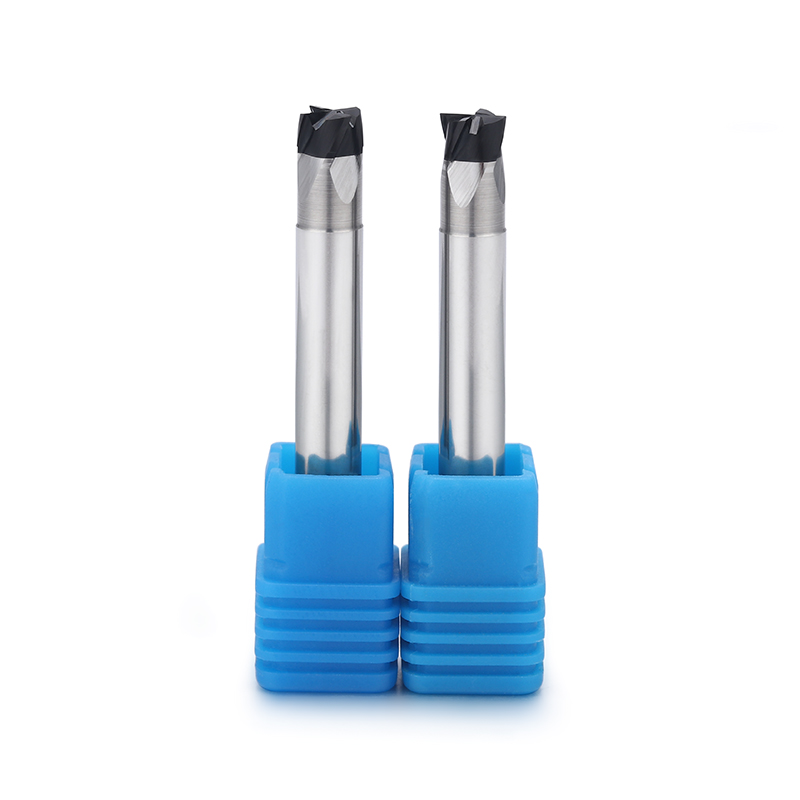
A CBN corner radius end mill is often preferred when better edge strength and more stable finishing performance are needed in hardened or quenched steel machining.
Looking for a CBN End Mill for High-Hardness Materials?
Explore our End Mill for Quenched Steel range to compare different CBN solutions for precision machining applications.
Contact us for product recommendations and custom tool solutions.