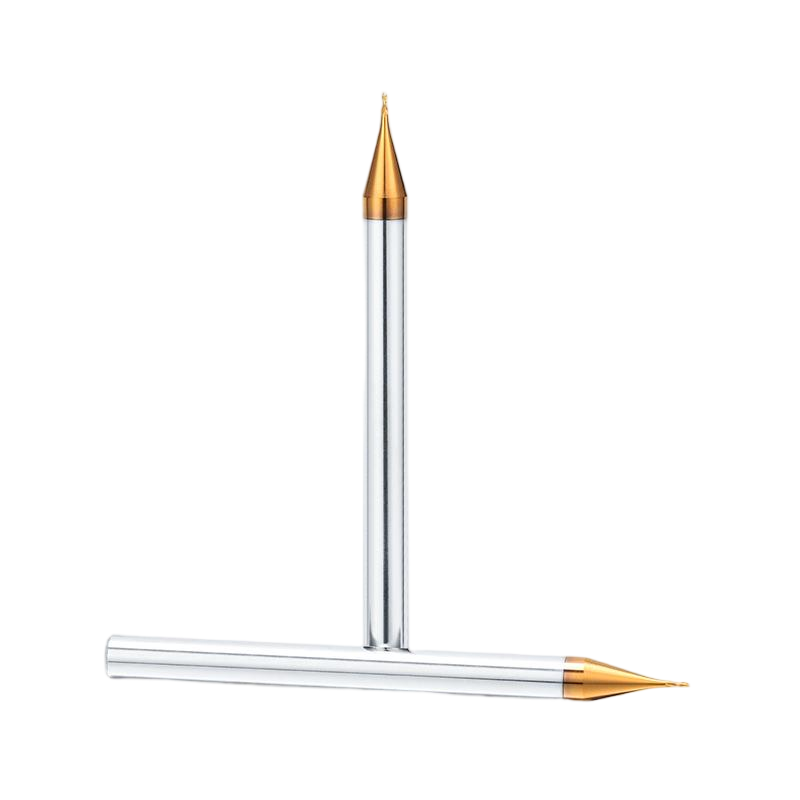
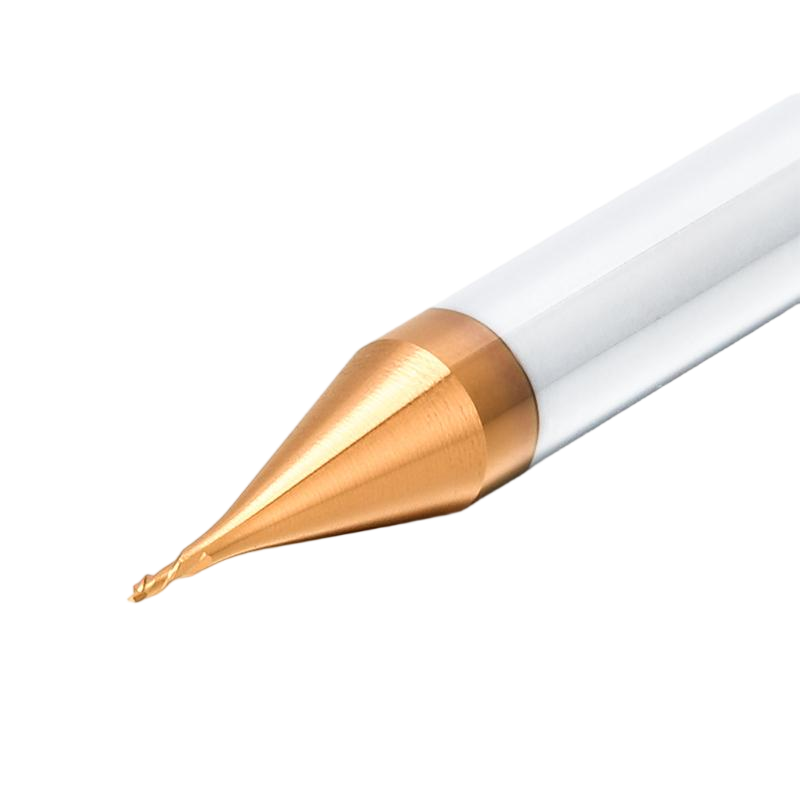
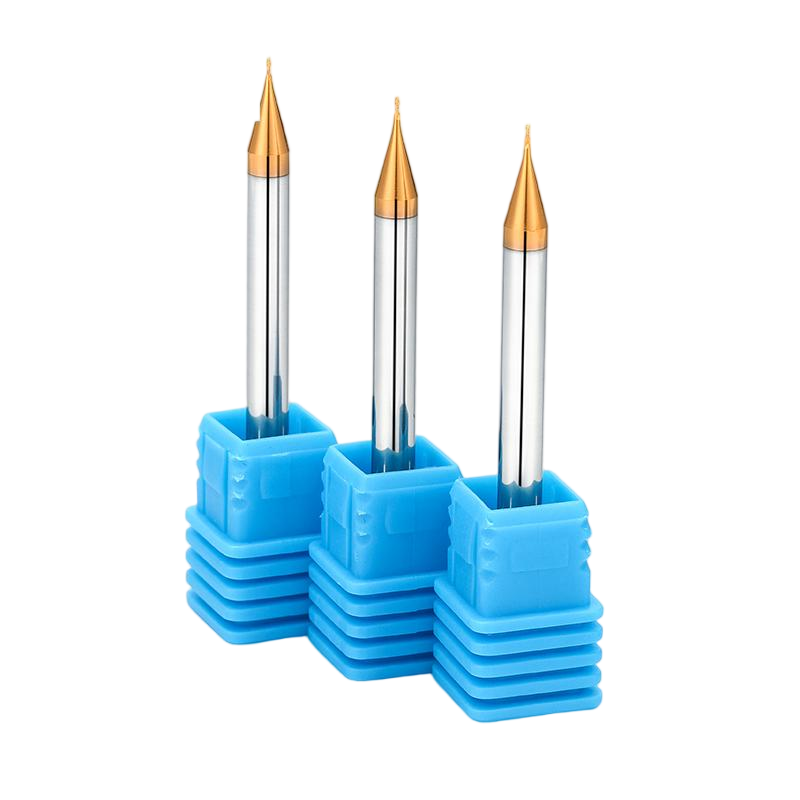
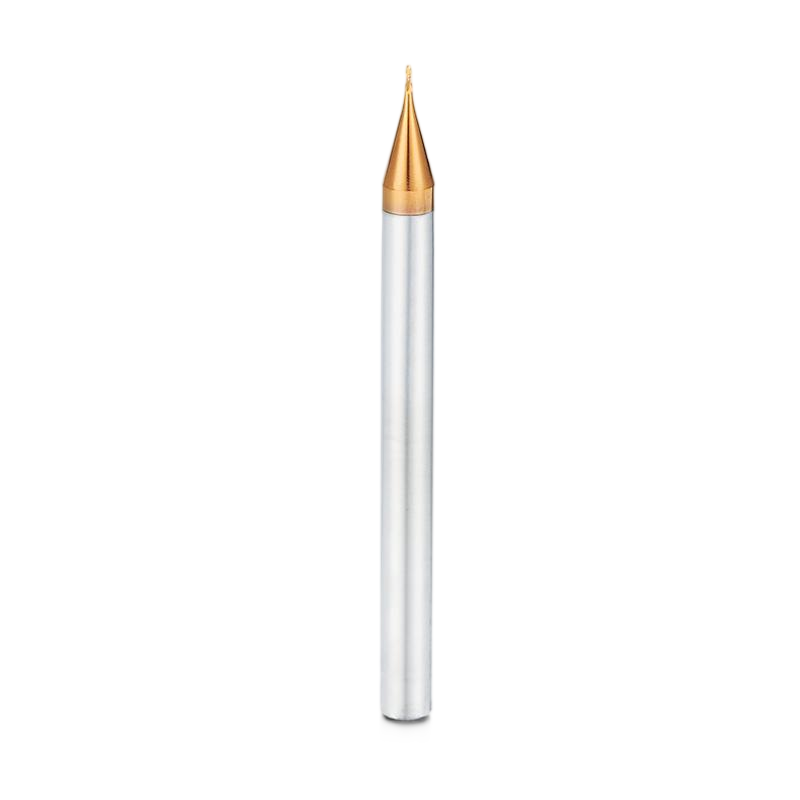
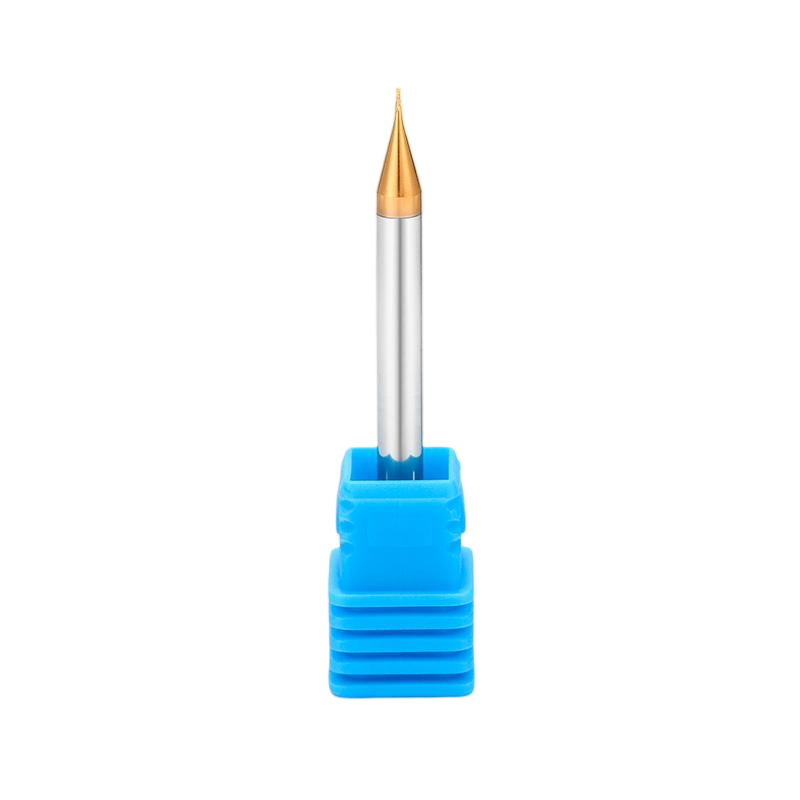
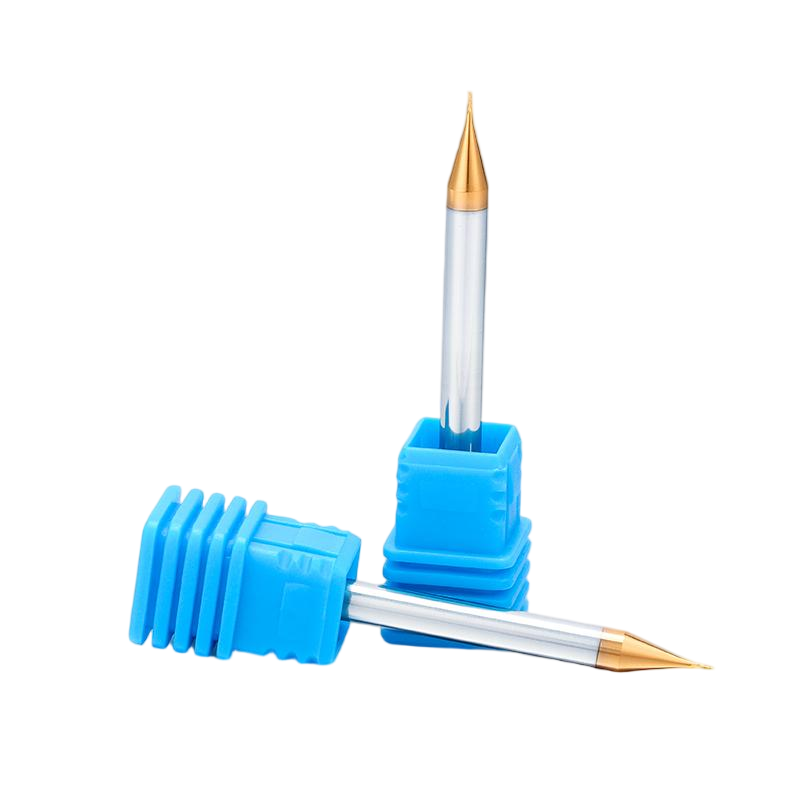
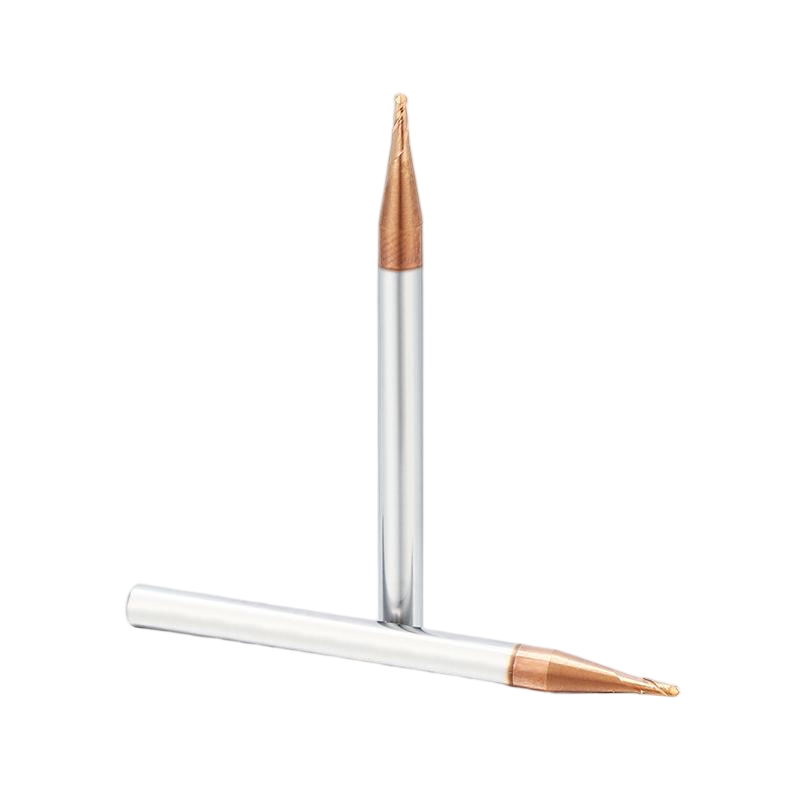
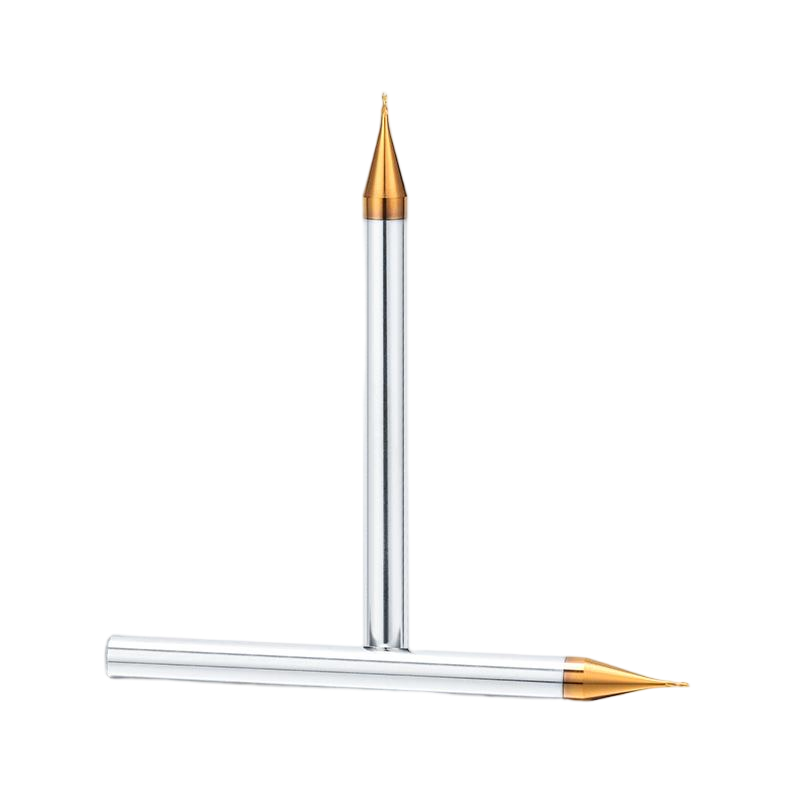
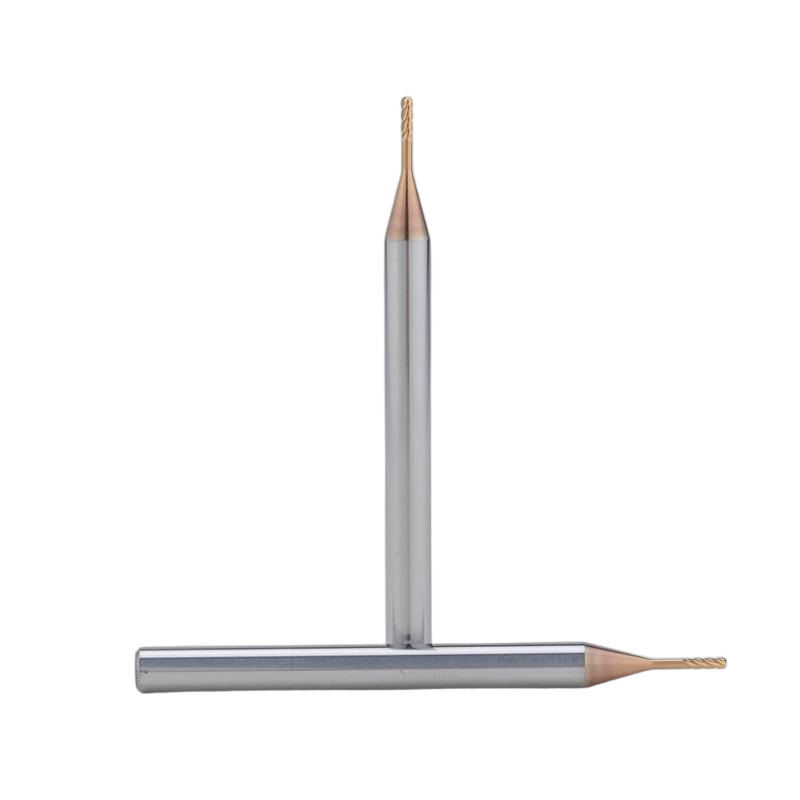
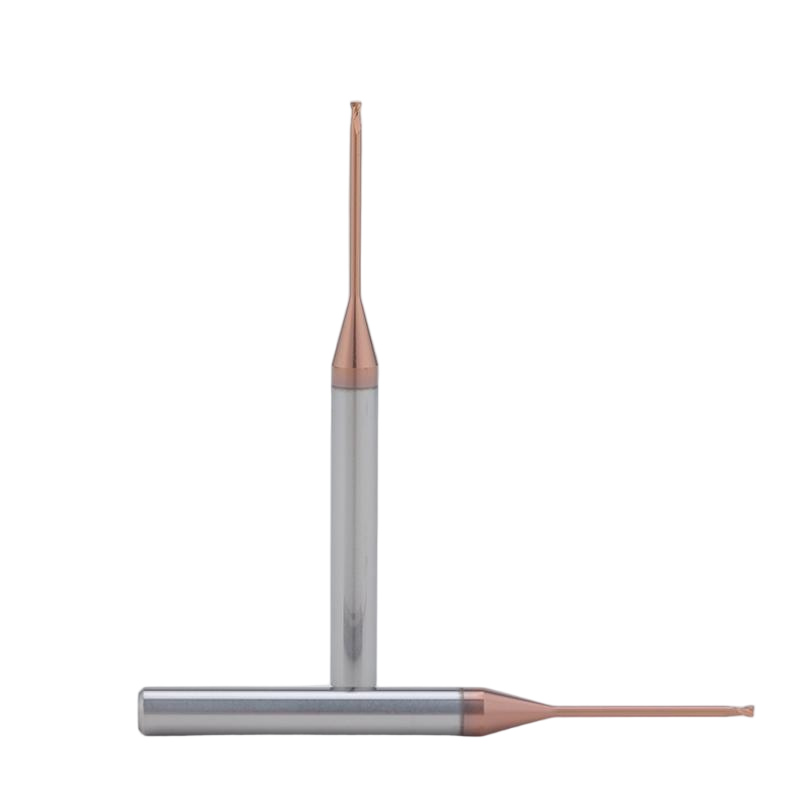
What is a micro flat end mill used for?
A micro flat end mill is used for machining small flat-bottom features, micro slots, narrow grooves, small cavities, precision shoulders, and other fine details that cannot be produced efficiently with standard-size end mills.
What standard diameters are available?
The standard sizes listed on this page range from 0.2 mm to 0.9 mm. All standard tools have a 50 mm overall length and are available with 3 mm or 4 mm shank diameters. Other sizes can be customized.
Is a micro flat end mill the same as a micro-diameter flat head end mill?
These terms are often used to describe a small-diameter end mill with a flat cutting end. “Micro flat end mill” is the more common professional product name, while “flat head end mill” may also appear in customer searches.
What materials can micro flat end mills machine?
Micro flat end mills can be designed for steel, stainless steel, aluminum, copper alloys, mold steel, graphite, and other precision-machining materials. The carbide grade, coating, flute geometry, and cutting parameters should be selected according to the workpiece material.
Why do micro end mills break easily?
Small-diameter tools have limited cross-sectional strength and are sensitive to runout, excessive cutting depth, tool deflection, unstable clamping, chip congestion, and unsuitable cutting parameters.
Use a high-precision toolholder with low runout
Keep tool overhang as short as possible
Use conservative cutting depth and stable toolpaths
Maintain effective chip or dust evacuation
Select the correct coating and flute design for the material
How should I choose the flute length?
Choose the shortest flute length that can safely reach the machining feature. A shorter cutting section generally provides better rigidity and lower deflection. Longer flute or neck dimensions should only be used when the machining depth requires additional reach.
Can Dohre customize micro flat end mills?
Yes. Dohre can customize cutting diameter, flute length, neck diameter, neck length, overall length, shank diameter, flute number, coating, and application-specific cutting geometry.
What information is required for a quotation?
Please provide the cutting diameter, flute length, overall length, shank diameter, workpiece material, machining depth, required quantity, coating preference, machine spindle condition, and any drawing or sample information available.