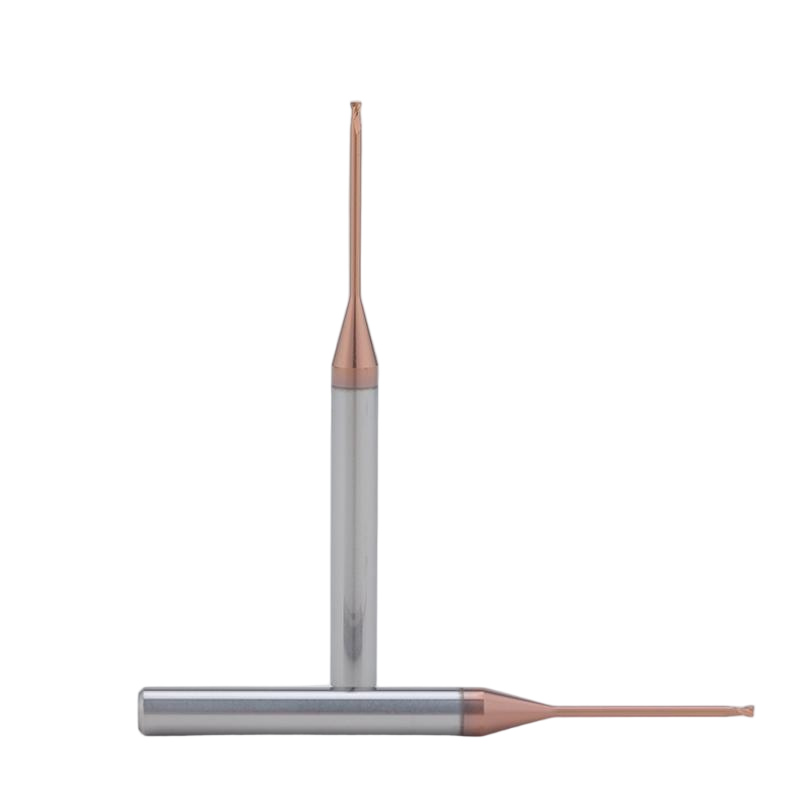
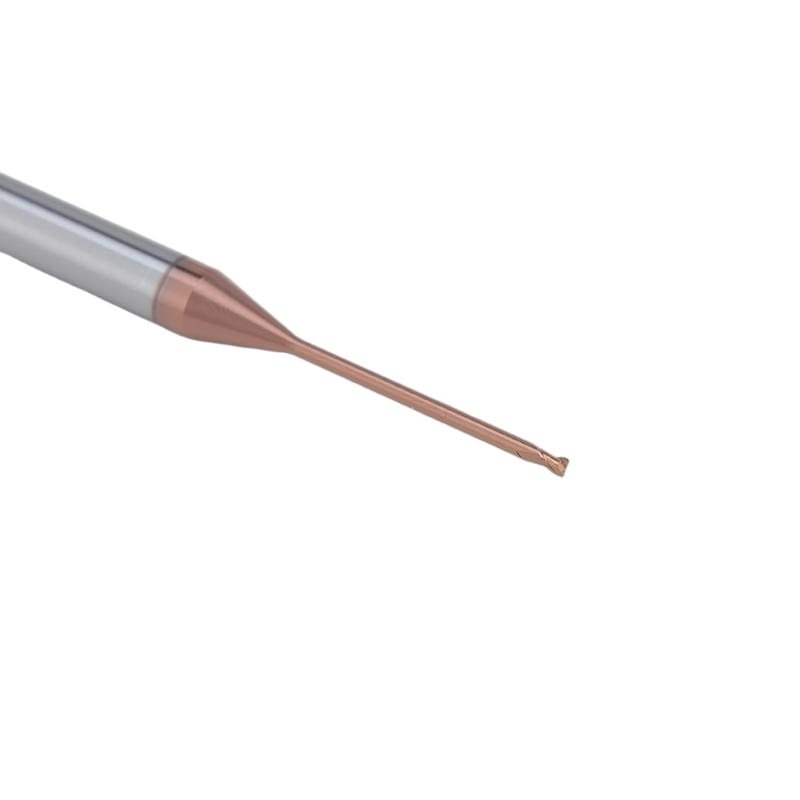
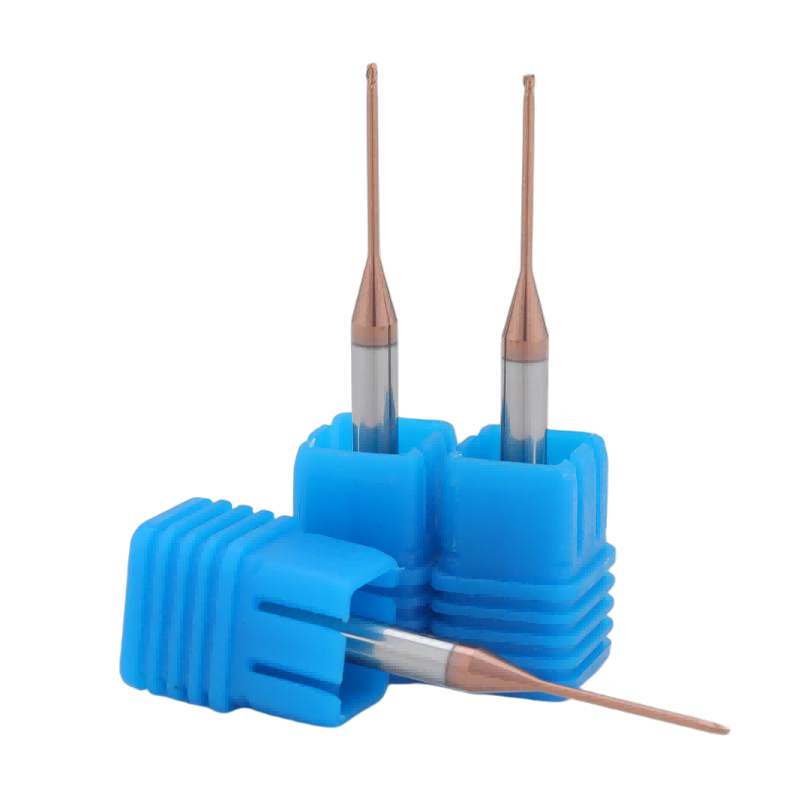
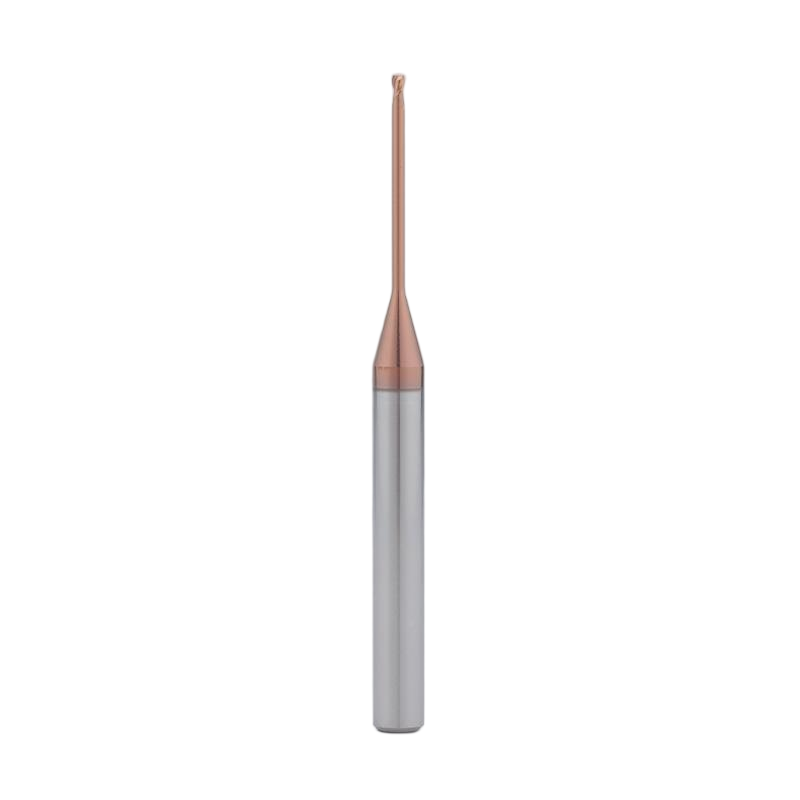
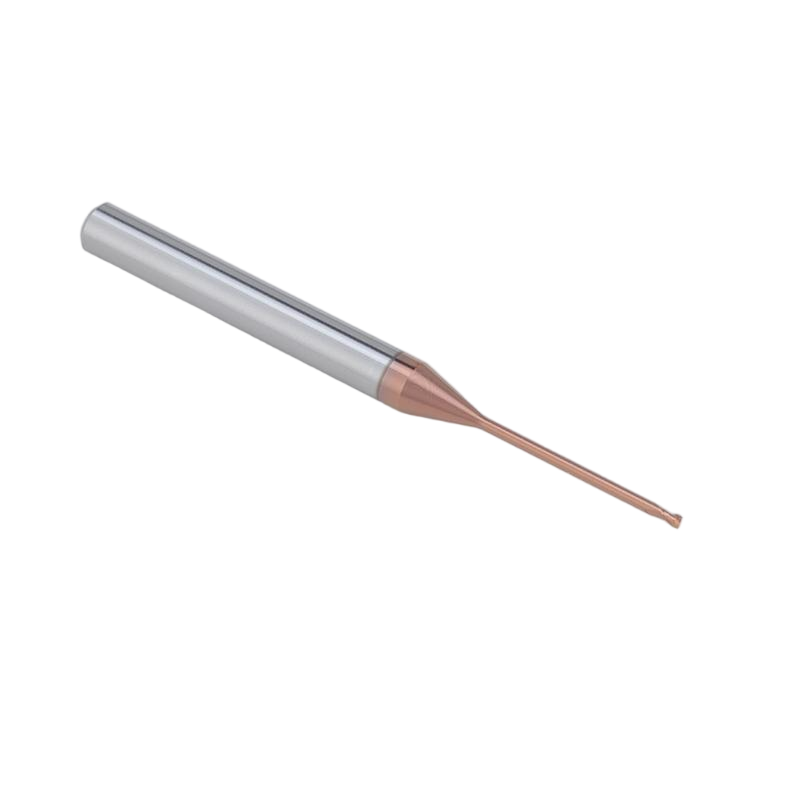
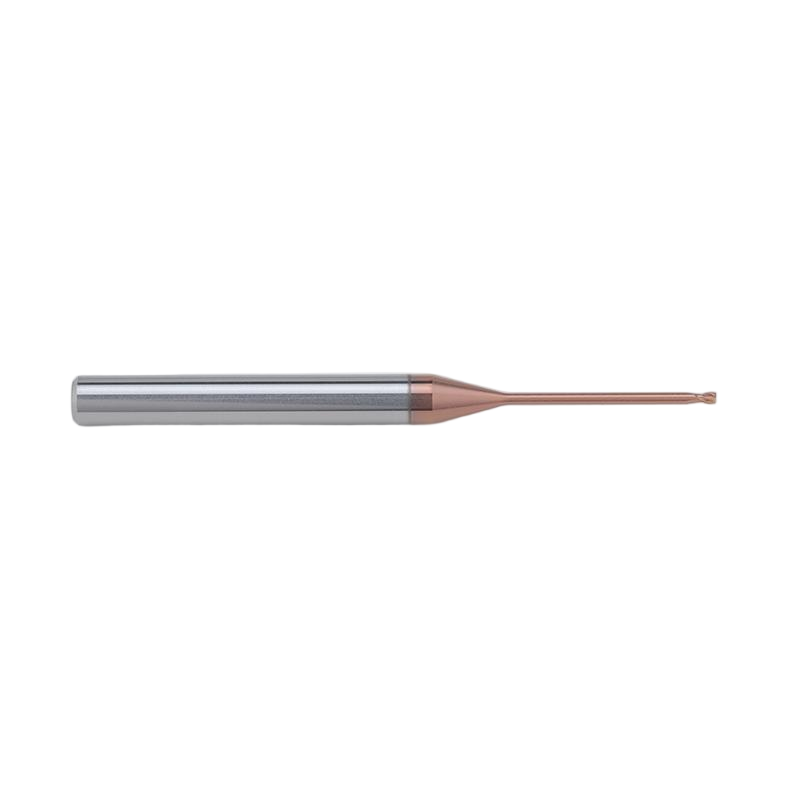
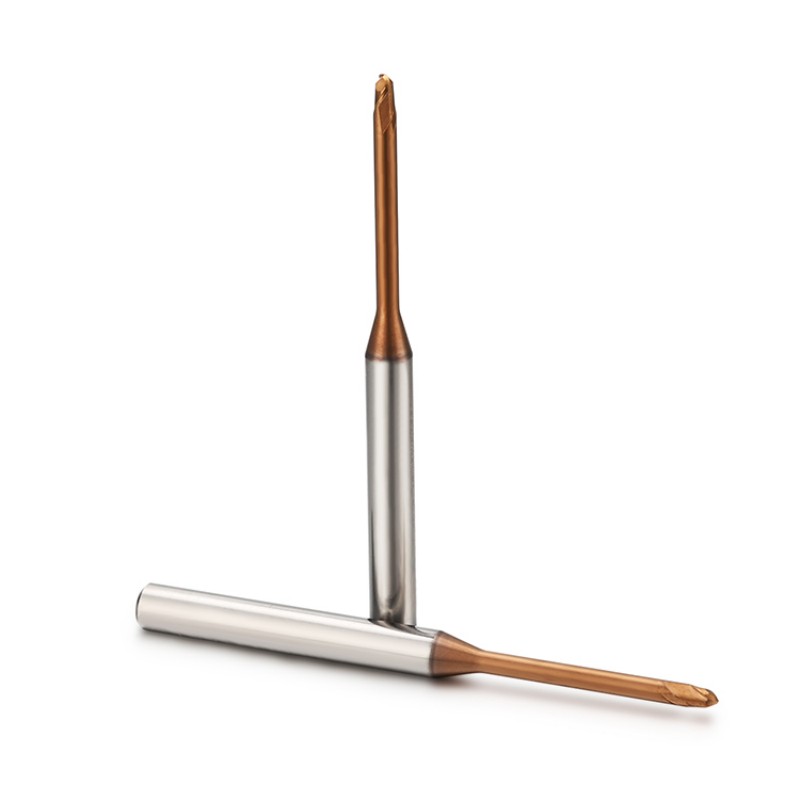
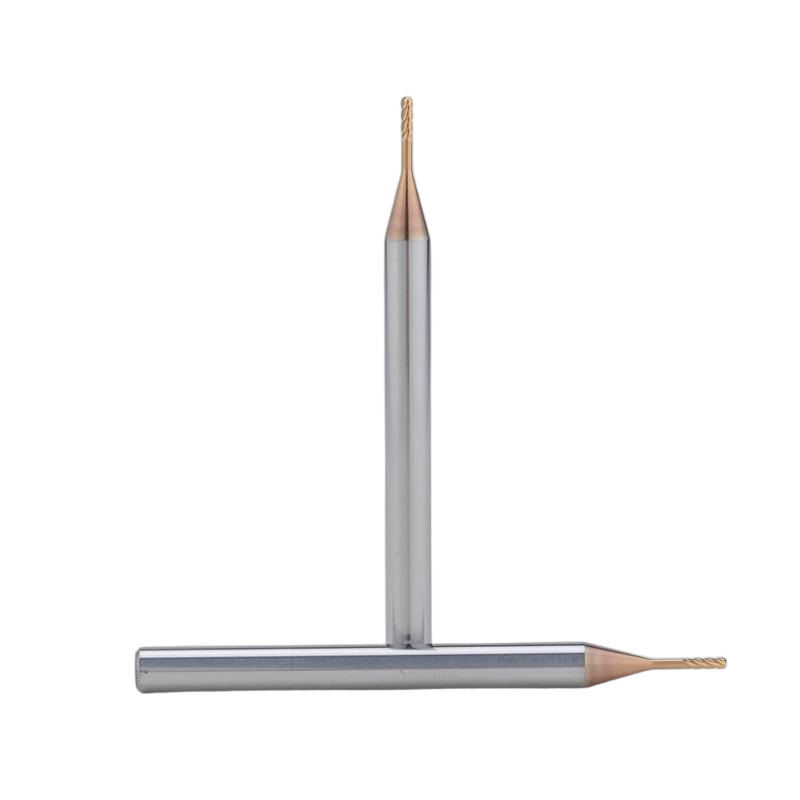
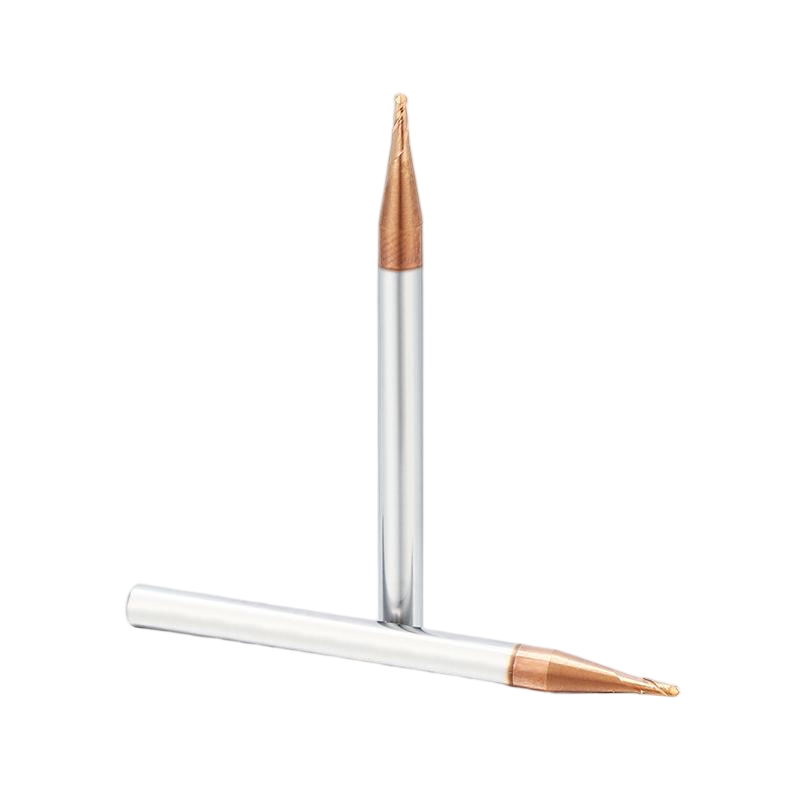
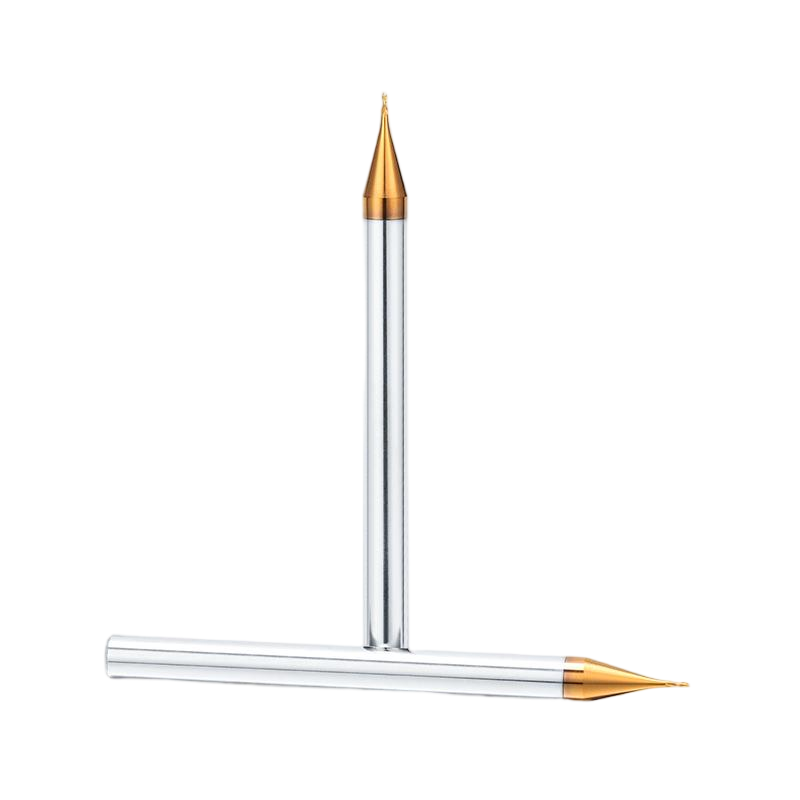
What is a long neck square end mill used for?
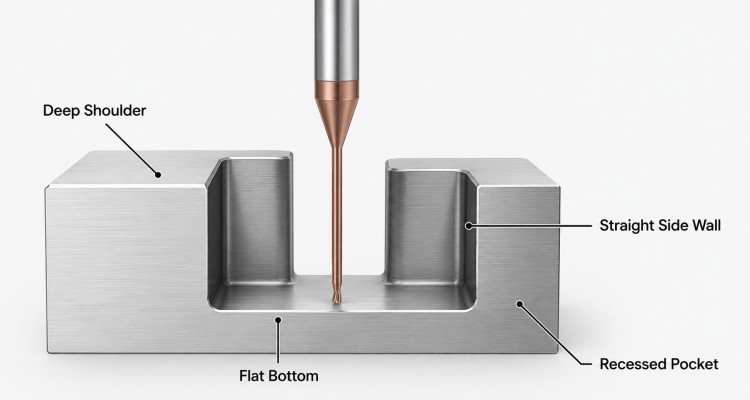
It is used for deep grooves, recessed pockets, flat-bottom cavities, shoulders, tall side walls, and restricted machining areas where a standard end mill or toolholder cannot reach without interference.
What is the difference between a long neck square end mill and a long neck ball nose end mill?
A long neck square end mill produces flat bottoms, slots, shoulders, and straight side walls. A long neck ball nose end mill has a rounded cutting end and is mainly used for curved surfaces, mold cavities, and three-dimensional contour machining.
What is the difference between flute length and neck length?
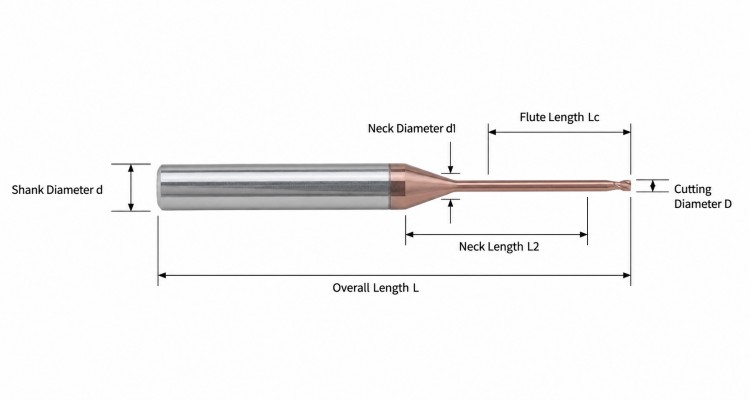
Flute length is the cutting section that contacts and removes material. Neck length provides additional reach and clearance behind the cutting edge. The neck may be longer than the flute length when the feature is deep but the actual axial cutting depth is limited.
Should I choose the longest neck available?
No. Use the shortest neck and tool overhang that can safely reach the feature. Excessive reach reduces rigidity and may increase vibration, deflection, dimensional error, and tool breakage.
Can the tool be used for full-width deep slotting?
Yes, when the tool geometry, flute count, cutting depth, material, machine rigidity, and chip evacuation method are suitable. Deep full-width slotting produces high chip volume and usually requires conservative engagement and effective evacuation.
Which materials can be machined?
Material-specific versions can be developed for steel, stainless steel, mold steel, hardened steel, titanium alloy, aluminum, copper, graphite, and other materials. Carbide grade, cutting-edge geometry, flute count, and coating must be matched to the actual workpiece rather than using one universal configuration.
Can the cutting diameter and neck dimensions be customized?
Yes. Cutting diameter, flute length, neck diameter, neck length, shank diameter, overall length, flute count, coating, tolerance, marking, and packaging can be customized according to the drawing and order requirements.
What information is required for a quotation?
Provide the workpiece material and hardness, machining feature, cutting diameter, flute length, neck diameter, neck length, shank diameter, overall length, flute count preference, coating preference, cutting depth, machine conditions, required quantity, and drawing or sample.