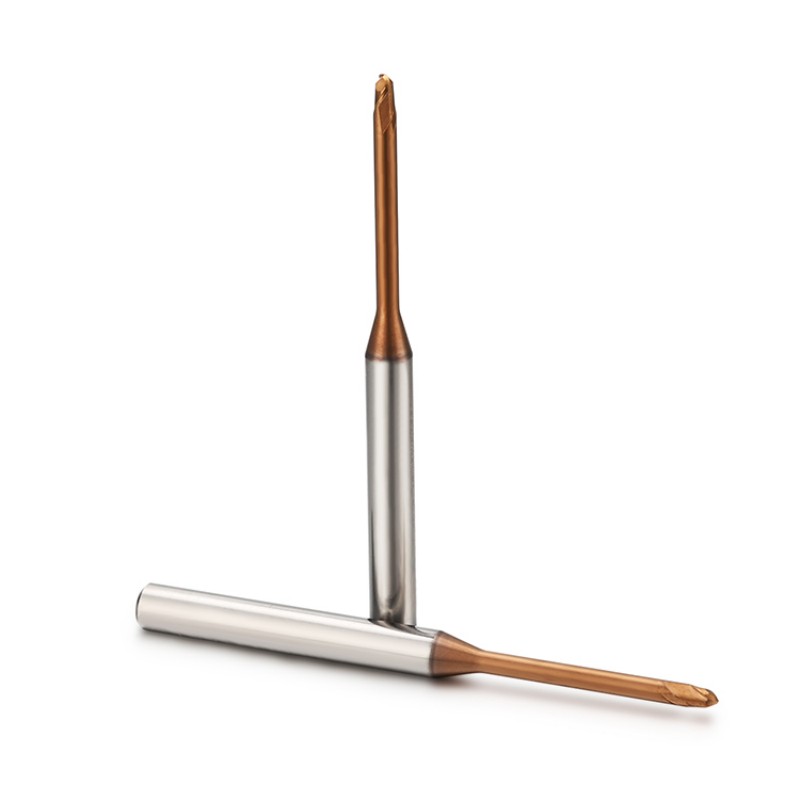
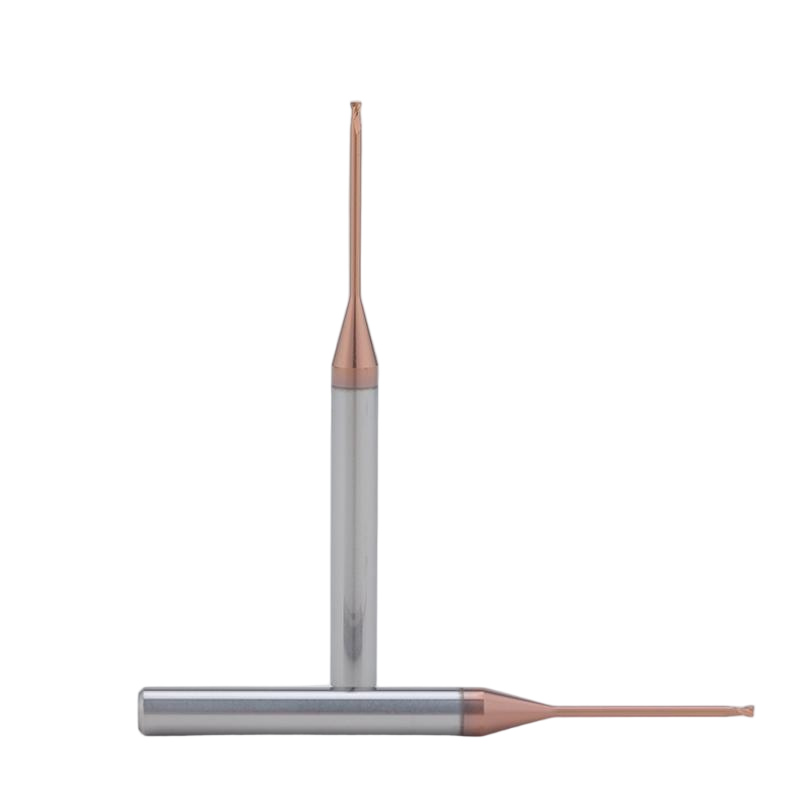
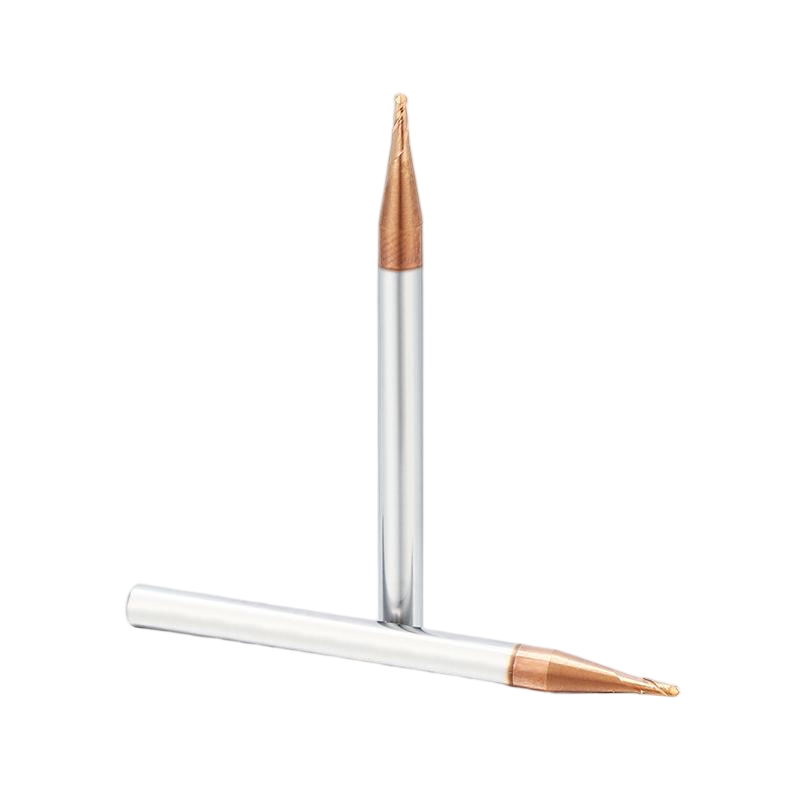
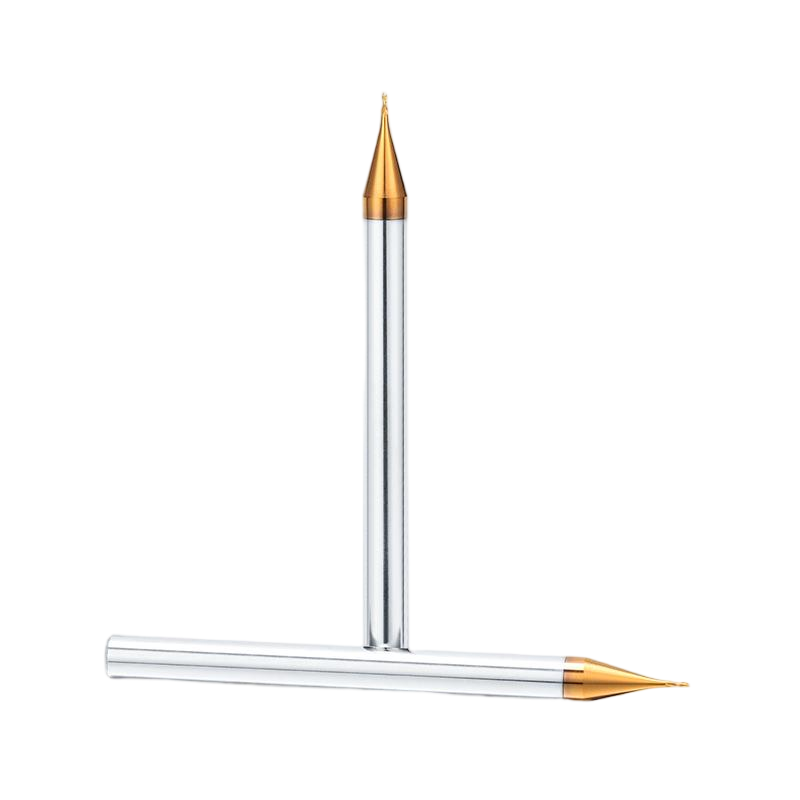
Solid Carbide Long Neck Corner Radius End Mill for Deep Groove Machining

Solid Carbide Long Neck Corner Radius End Mill for Deep Groove Machining

• Solid carbide long neck corner radius end mill for deep and restricted features
• Reinforced corner radius improves cutting-edge strength and wear stability
• Suitable for deep shoulders, recessed pockets, side walls, grooves, and profiles
• Reduced-neck design provides additional workpiece and toolholder clearance
• Custom diameter, radius, flute length, neck size, overall length, and coating

workpiece material

  • Steel
  • stainless steel
  • Aluminum & Copper Alloy
  • Graphite
  • Hardened steel
  • Mold Steel
  • Titanium Alloy

application type

  • Side Milling
  • Shoulder Milling
  • Pocketing
  • Semi-Finishing
  • Finishing
  • Light Slotting
  • Profile Milling

Coating

  • AlTiN
  • TiSiN
  • DLC
  • Diamond Coating
  • Uncoated
  • Custom Coating

Product Description

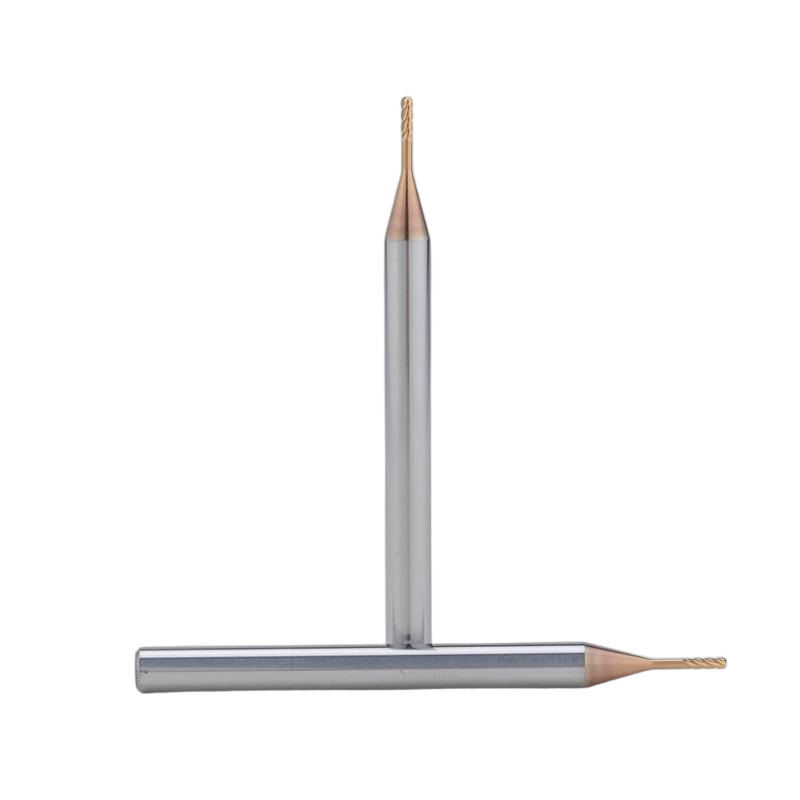
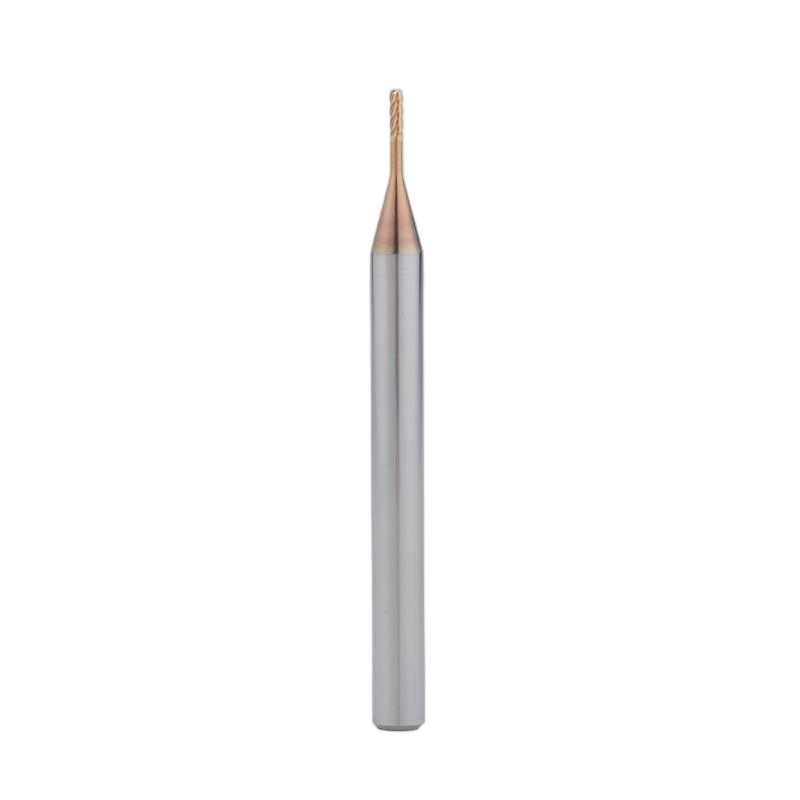
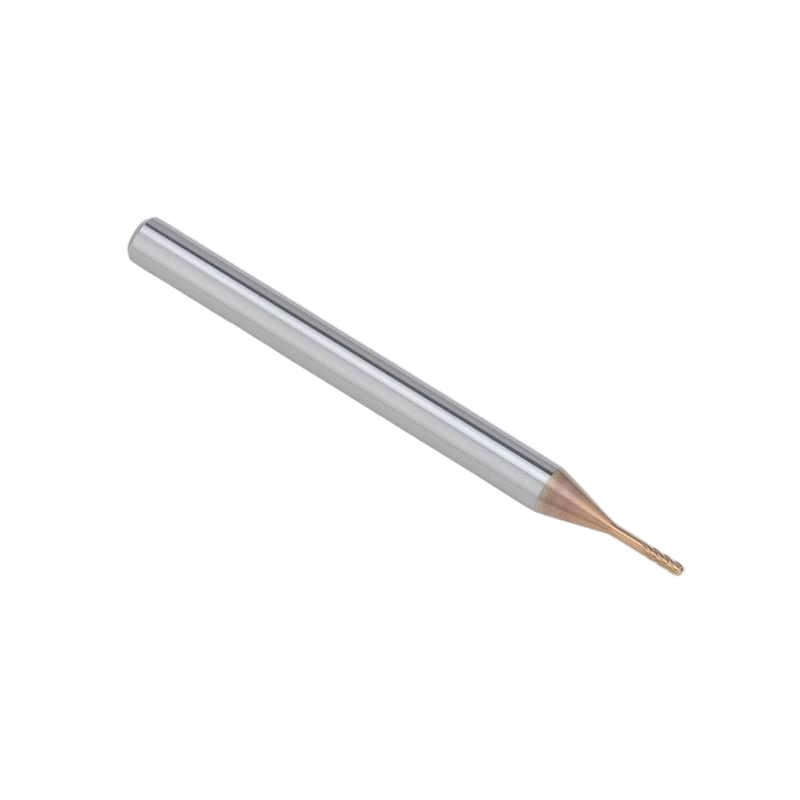
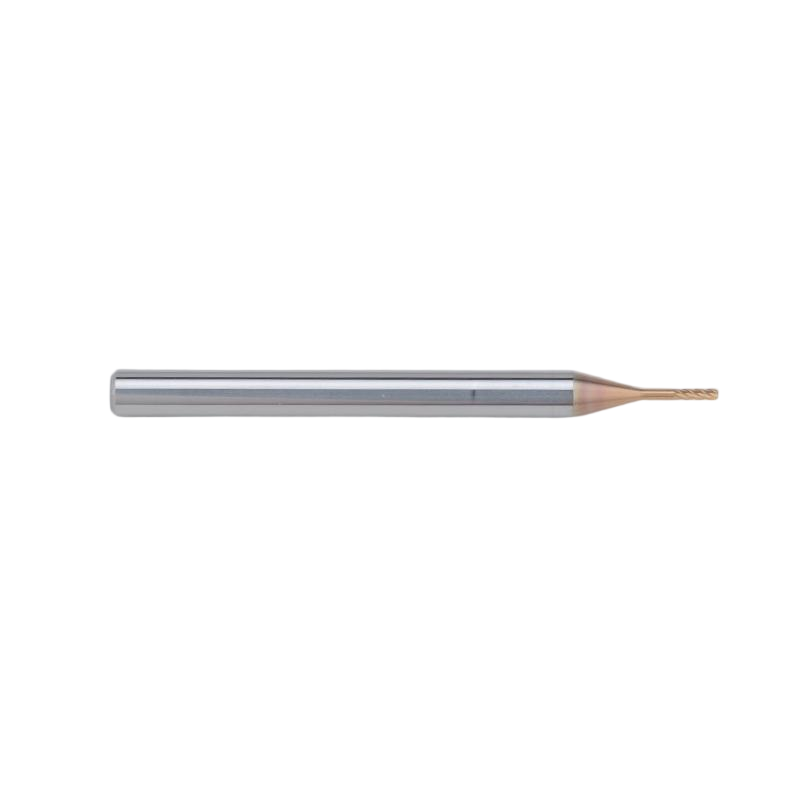
The Dohre solid carbide long neck corner radius end mill is designed for deep shoulders, recessed pockets, side walls, grooves, mold inserts, and profiles that require extended reach combined with stronger cutting-corner support.

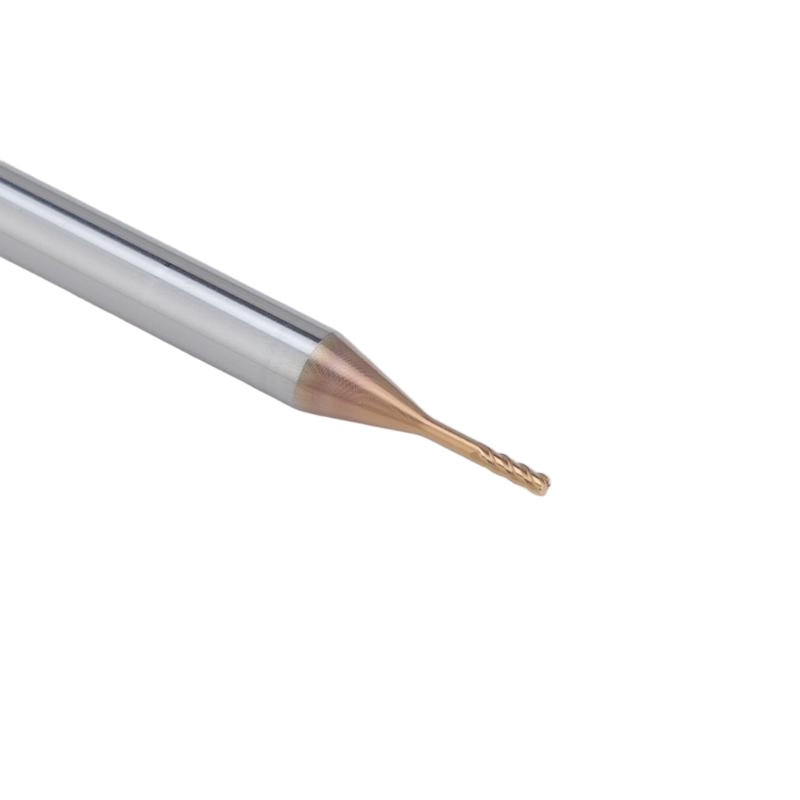
A reduced-neck section behind the cutting flutes provides clearance between the tool body, toolholder, and surrounding workpiece geometry. This allows the cutting edge to reach deep or restricted areas while keeping the actual flute length relatively compact.

The corner radius creates a rounded transition between the end face and peripheral cutting edge. Compared with a sharp square end mill, this reinforced corner can provide better resistance to corner chipping during shoulder milling, side-wall machining, profile cutting, and semi-finishing operations.

Unlike a long neck ball nose end mill used mainly for curved and three-dimensional surfaces, the corner radius design retains a mostly flat cutting area. It is suitable for machining flat surfaces and side walls where the component design permits a defined corner radius.

Cutting diameter, corner radius, flute length, neck diameter, neck length, shank diameter, overall length, flute count, carbide grade, coating, and tolerance can be selected according to the workpiece material and machining requirement.

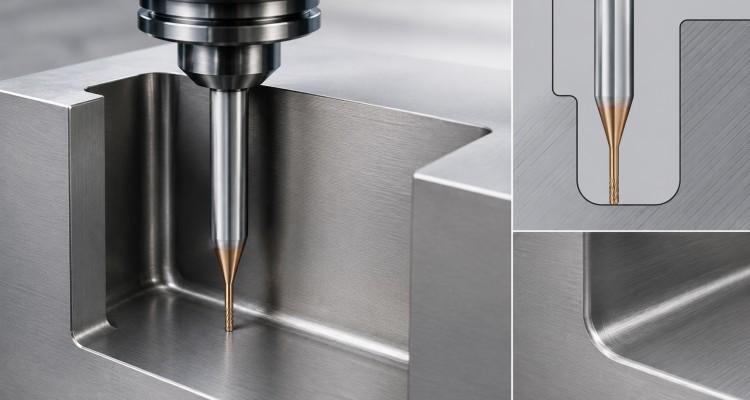
long neck corner radius end mill for deep shoulder machining.jpg

Available Tool Configuration

ParameterAvailable Configuration
Tool MaterialSolid Carbide
End GeometryCorner Radius / Bull Nose
Neck TypeLong Neck / Reduced Neck
Flute Count2 Flutes / 4 Flutes / Custom
CoatingSelected According to Workpiece Material
Cutting Diameter DStandard or Custom
Corner Radius RStandard or Custom
Flute Length LcCustomizable
Neck Diameter d1Customizable
Neck Length L2Customizable
Shank Diameter dStandard or Custom
Overall Length LCustomizable

How the Corner Radius and Long Neck Design Work

The flute section performs the cutting, while the reduced neck provides clearance behind the cutting edge. This structure is useful when the required machining reach is longer than the actual axial cutting depth.

The corner radius distributes cutting forces across a rounded transition instead of concentrating them at a sharp 90-degree corner. This can improve cutting-corner support during side milling, shoulder machining, and profile cutting.

The radius and neck should be selected according to the component drawing. An excessively large corner radius may not fit the required feature, while an unnecessarily long neck can reduce rigidity and increase tool deflection.

Product Features

Reinforced Corner Radius

The defined corner radius strengthens the transition between the end face and peripheral cutting edge. This reduces the stress concentration normally associated with a sharp square corner and supports more stable shoulder, wall, and profile machining.

Mostly Flat Cutting Area

The tool retains a mostly flat end face while producing a rounded transition at the bottom corner. It is suitable for flat surfaces, recessed shoulders, pockets, and grooves where the component design accepts or requires a corner radius.

Reduced Neck for Deep Feature Access

The reduced-neck section provides additional clearance behind the cutting flutes. This helps avoid interference with tall walls, narrow openings, mold features, and surrounding workpiece geometry.

Compact Flute Length for Improved Rigidity

The cutting section can be matched to the actual machining depth instead of extending across the full reach. A compact flute length helps maintain rigidity compared with using an unnecessarily long cutting edge.

Suitable for Semi-Finishing and Finishing

Corner radius geometry is suitable for semi-finishing and finishing of deep shoulders, side walls, stepped surfaces, mold profiles, and recessed areas. It can also be used for suitable light slotting and pocket operations.

Material-Specific Carbide and Coating Options

Carbide grade, flute geometry, cutting-edge preparation, and coating can be configured for steel, stainless steel, mold steel, hardened steel, titanium alloy, aluminum, copper, graphite, and other materials. Different workpiece materials require different tool configurations.

Custom Radius and Dimensions

Cutting diameter, corner radius, flute length, neck diameter, neck length, shank diameter, overall length, flute count, coating, and dimensional tolerance can be manufactured according to the customer’s drawing.

OEM and Batch Supply Support

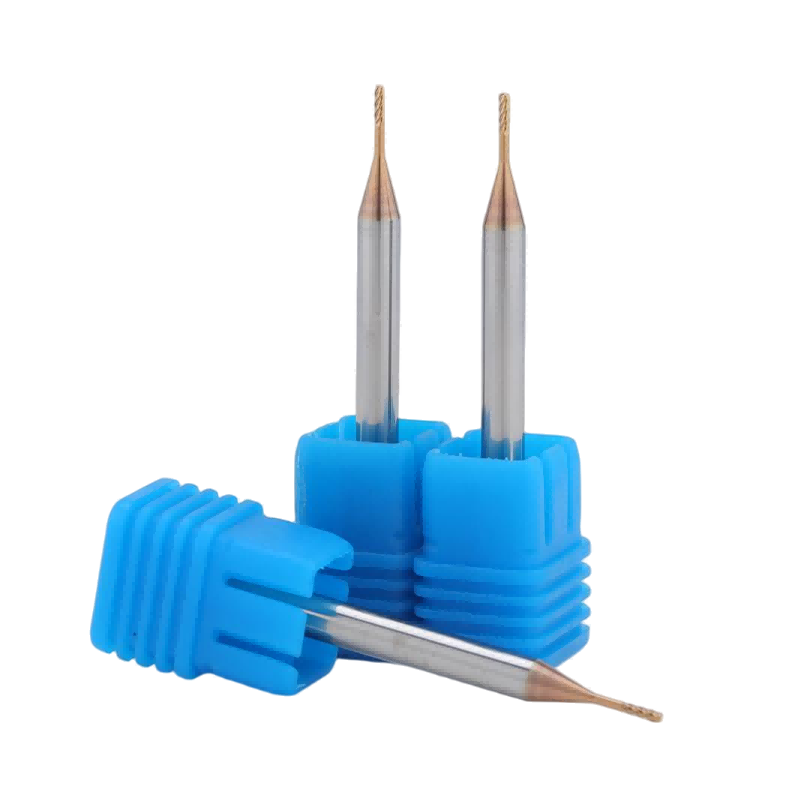
Dohre supports trial tools, production batches, custom cutting-tool development, laser marking, private-label manufacturing, application-specific packaging, and inspection documentation.

Applications for Deep Shoulder and Profile Machining

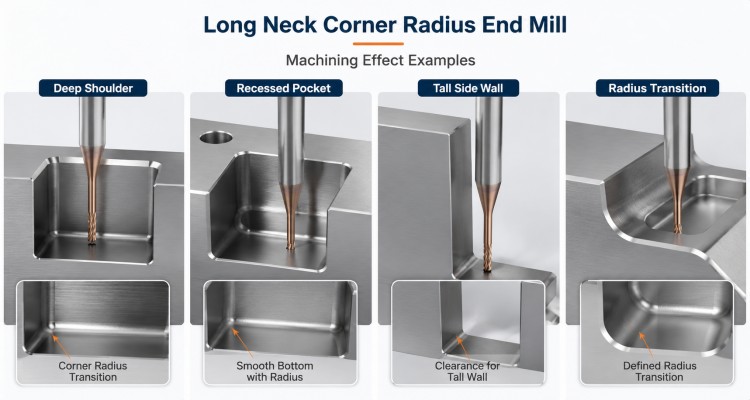
Long neck corner radius end mills are selected when a machining feature requires extended reach, side-wall access, a mostly flat cutting area, and a reinforced bottom-corner transition. Typical applications include deep shoulders, recessed pockets, tall side walls, mold inserts, stepped features, grooves, and deep profile machining.

deep shoulder pocket and radius transition machining.jpg

Machining FeatureRole of the Long Neck Corner Radius End MillMain Consideration
Deep ShoulderMachines the shoulder floor and adjacent wall with a reinforced corner transitionRequired corner radius, radial engagement, and reach
Recessed PocketReaches pocket bottoms and internal side walls below surrounding geometryToolholder clearance and chip evacuation
Tall Side WallProvides clearance behind the cutting edge for deep wall machiningTool deflection, runout, and radial depth
Deep Groove with Radius TransitionProduces a groove bottom with reinforced rounded cornersSlot width, corner radius, chip volume, and entry method
Stepped FeatureMachines the step floor, wall, and defined radius transitionFeature tolerance and remaining allowance
Mold InsertReaches narrow and recessed mold details while strengthening the cutting cornerProfile accuracy, hardness, and surface requirement
Profile Semi-FinishingRemoves controlled allowance from deep walls, shoulders, and contour transitionsConsistent allowance and stable tool engagement
Deep Profile FinishingFinishes recessed walls and radius transitions in restricted areasRunout, overhang, step-over, and surface consistency

Typical Industries

  • •Mold and die manufacturing

  • •Automotive precision components

  • •Aerospace component machining

  • •Medical and dental components

  • •Optical and communication components

  • •Semiconductor equipment parts

  • •Automation and robotic components

  • •Custom precision machining

Tool Selection Notes

Confirm that the component drawing permits the selected corner radius. A corner radius end mill will not produce a sharp 90-degree internal bottom corner.

Choose the shortest flute length, neck length, and overall tool reach that can safely access the feature. Excessive reach can increase vibration, tool deflection, dimensional variation, and edge damage.

For deep groove or pocket machining, flute count and chip space must match the chip volume and evacuation method. For side-wall and profile finishing, tool runout, radial engagement, workholding, and machine rigidity become more important.

Provide the workpiece material, feature drawing, corner radius, machining depth, required reach, machine conditions, and production quantity so the complete tool configuration can be evaluated.

Manufacturing & Quality Control

Long neck corner radius end mills require controlled grinding and inspection because cutting diameter, corner radius, flute length, neck dimensions, runout, and cutting-edge consistency all affect deep machining performance.

Walter Five-Axis CNC Grinding

Dohre uses German Walter five-axis CNC grinding machines to manufacture solid carbide cutting tools. Multi-axis grinding supports controlled flute geometry, corner radius formation, reduced-neck transitions, cutting-end profiles, and dimensional consistency.

Corner Radius Profile Control

The corner radius must transition smoothly between the end face and peripheral cutting edge. Radius size, cutting diameter, flute geometry, relief, and edge preparation are controlled together to maintain a consistent cutting profile.

Controlled Neck and Flute Geometry

The reduced neck must provide sufficient workpiece clearance while retaining the strength required for the application. Neck diameter, neck length, flute length, overall reach, and transition geometry are reviewed as one system.

HELICHECK Plus Profile Measurement

Walter HELICHECK Plus measuring equipment is used to inspect tool profiles and important geometric dimensions. Inspection can include cutting diameter, corner radius, flute geometry, neck dimensions, and overall profile consistency.

Cutting-Edge and Surface Inspection

Cutting tools can be inspected using 150× optical measurement and 300× high-definition visual inspection equipment to evaluate cutting-edge condition, radius transition, grinding quality, coating appearance, and visible surface defects.

Custom Engineering Review

For custom long neck corner radius end mills, the engineering team reviews the component drawing, workpiece material, cutting diameter, corner radius, flute length, required reach, neck clearance, flute count, coating, machining stage, and machine conditions before confirming the design.

ProcessMain Control Item
Application ReviewMaterial, feature, radius, reach, operation, and quantity
Tool DesignD, R, Lc, d1, L2, d, L, flute count, and coating
CNC GrindingFlute, radius profile, neck transition, and shank
Profile InspectionCutting diameter, corner radius, neck dimensions, and geometry
Visual InspectionCutting edge, radius transition, coating, and surface condition
Order ConfirmationQuantity, marking, packaging, and documentation

FAQ & Contact Us

What is a long neck corner radius end mill used for?

It is used for deep shoulders, recessed pockets, tall side walls, grooves, mold inserts, stepped features, and profile machining where extended reach and a reinforced cutting corner are required.

What is the difference between a square and corner radius long neck end mill?

A square end mill produces a flat bottom with a relatively sharp bottom-to-wall transition. A corner radius end mill produces a mostly flat surface with a rounded corner transition that provides stronger cutting-edge support.

What is the difference between a ball nose and corner radius long neck end mill?

A ball nose end mill has a fully rounded cutting end and is mainly used for curved surfaces and three-dimensional contours. A corner radius end mill retains a mostly flat cutting area and uses a smaller radius only at the cutting corner.

How should the corner radius be selected?

The radius should match the component drawing, internal corner requirement, cutting diameter, remaining allowance, and desired cutting-edge strength. A larger radius generally provides stronger corner support but may not fit a small internal feature.

Can a corner radius end mill produce a sharp internal corner?

No. The tool produces a rounded transition corresponding to its corner radius. A square end mill or another finishing process is required when the component needs a sharper internal bottom corner.

Should I choose the longest neck available?

No. Select the shortest neck and tool overhang that can safely reach the feature. Excessive reach reduces rigidity and may increase vibration, deflection, dimensional error, and tool breakage.

Can the tool be used for deep groove machining?

Yes, when the groove design permits a rounded bottom-corner transition and the flute count, chip space, cutting depth, material, machine rigidity, and chip evacuation method are suitable.

Which materials can be machined?

Material-specific versions can be developed for steel, stainless steel, mold steel, hardened steel, titanium alloy, aluminum, copper, graphite, and other materials. Carbide grade, flute geometry, edge preparation, and coating must be matched to the workpiece.

Can the corner radius and neck dimensions be customized?

Yes. Cutting diameter, corner radius, flute length, neck diameter, neck length, shank diameter, overall length, flute count, coating, tolerance, marking, and packaging can be customized.

What information is required for a quotation?

Provide the workpiece material and hardness, machining feature, cutting diameter, corner radius, flute length, neck diameter, neck length, shank diameter, overall length, flute count preference, coating preference, cutting depth, machine conditions, quantity, and drawing or sample.

Get In Touch

Request a Long Neck Corner Radius End Mill Quote?

Contact us for custom long neck corner radius end mills, sample tools, OEM production, and stable batch supply.

captcha

Related Products

×

Contact Us

captcha

*We respect your privacy. When you submit your contact information, we agree to only contact you in accordance with our Privacy Policy.

×

By continuing to use the site you agree to our privacy policy Terms and Conditions.

I agree