Best Practices and Common Mistakes When Using Coolant for Stainless Steel
Introduction
Learn the best practices and common mistakes when using coolant for stainless steel machining. Covers proper application, concentration control, chip evacuation, and how coolant works with carbide end mills to improve tool life and cutting performance.
Machining stainless steel generates significant heat because the material has low thermal conductivity and tends to work harden.
The right coolant for stainless steel can help control heat, reduce friction, and remove chips from the cutting zone. Its effectiveness depends on proper selection, delivery, and maintenance.
This guide covers practical coolant practices, common mistakes, and how coolant works with stainless steel cutting tools.
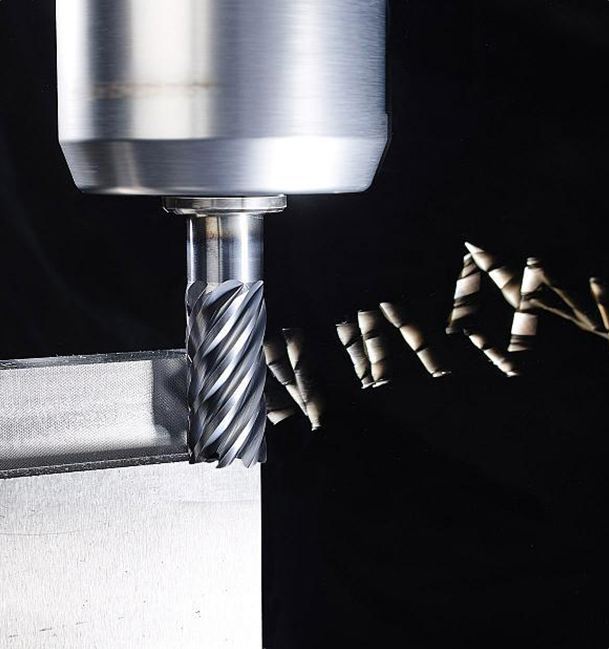
How Does Stainless Steel Affect Coolant Requirements?
Heat Accumulation During Cutting
Stainless steel transfers cutting heat less easily than many common machining materials. More heat can therefore remain near the cutting zone and place additional stress on the cutting edge.
304 and 316 stainless steel can also work harden when the tool rubs against the material instead of maintaining a stable cut. This increases cutting resistance and can accelerate tool wear.
These characteristics make effective heat management important when selecting coolant and cutting tools. DOHRE discusses these challenges in its guide to 304 and 316 stainless steel machining.
Cooling and Lubrication Balance
Coolant helps remove heat and reduce friction at the cutting interface. The required balance depends on the machining operation, cutting conditions, machine configuration, and cutting tool.
Using more coolant does not necessarily improve the process. The fluid must reach the cutting zone effectively without interfering with chip removal.
How Should Coolant Be Applied When Machining Stainless Steel?
Direct Coolant Toward the Cutting Zone
Coolant is most effective when it reaches the area where the tool, workpiece, and chips interact. A poorly positioned nozzle may cool the area around the cutter without reaching the cutting edge effectively.
Proper delivery helps remove heat, reduce friction, and carry chips away from the tool. This becomes especially important in deep slots and cavities, where trapped chips can remain in the cutting zone and increase cutting resistance.
Maintain Consistent Coolant Flow
Inconsistent coolant delivery can cause changes in cutting temperature and make the process less stable.
A consistent flow helps maintain more predictable conditions around the cutting edge. The delivery method should still match the cutting operation and chip evacuation requirements.
Which Cooling Method Is Suitable for Stainless Steel Milling?
Different stainless steel milling operations may require different cooling approaches. DOHRE identifies flood coolant, high pressure liquid coolant, and high pressure air blast for different cutting situations.
| Cooling Method | Main Function | Suitable Application |
| Flood coolant | Provides cooling, lubrication, and chip flushing | General milling where heat removal and lubrication are required |
| High pressure liquid coolant | Delivers coolant into the cutting zone and improves chip flushing | Deep slotting and operations with difficult chip evacuation |
| High pressure air blast | Removes hot chips without continuous liquid cooling | Trochoidal or dynamic milling where chip removal is a primary concern |
The suitable method depends on the cutting path, depth of cut, chip evacuation requirements, and tool design.
What Are the Common Coolant Mistakes in Stainless Steel Machining?
Using the Wrong Coolant Concentration
Coolant concentration should follow the fluid manufacturer's specifications rather than a fixed percentage for every application.
Too little concentration may reduce lubrication and increase the risk of built up edge. Excessive concentration may increase operating costs and cause unwanted residue or foaming.
Regular concentration checks help keep the fluid within the recommended range.
Allowing Coolant Contamination
Coolant can lose performance when contaminated with tramp oil, chips, or other materials from the machining process.
Regular monitoring and appropriate filtration help maintain more consistent fluid conditions. Stainless steel chips should also be removed from the cutting area to reduce recutting.
Relying on Coolant to Solve Tool Wear
Coolant cannot compensate for an unsuitable cutting tool or unstable cutting conditions.
If problems such as built up edge, vibration, poor chip evacuation, or edge chipping continue, increasing coolant flow may not solve the underlying cause. Tool geometry, tool condition, cutting parameters, and workpiece engagement should also be checked.
How Should Coolant Work With Stainless Steel Cutting Tools?
Match Tool Geometry to the Cutting Operation
Different milling operations place different demands on the cutting edge. Slotting, side milling, pocket machining, dynamic milling, and finishing therefore require suitable cutter geometries.
DOHRE's TEX Series includes square end mills, corner radius end mills, and ball nose end mills designed for stainless steel cutting applications.
The series uses micro grain carbide, AlCrN based coating, optimized geometry, and unequal flute spacing to support wear resistance, chip evacuation, and cutting stability. It is designed for stainless steel grades including 201, 304, and 316.
Selecting the right end mills for stainless steel should therefore be part of the overall cutting strategy.
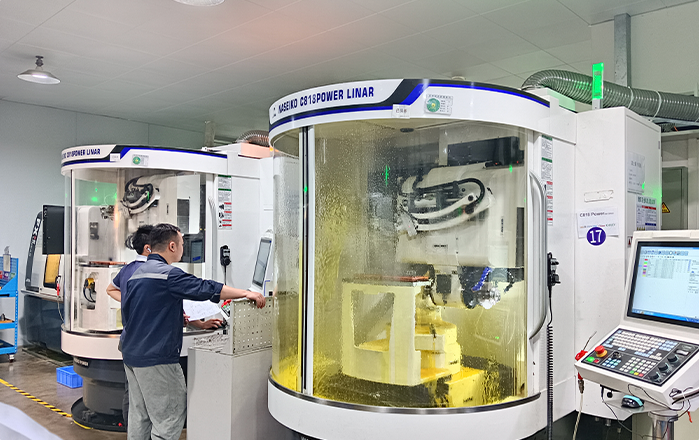
Consider Chip Evacuation Along With Coolant
Coolant alone cannot prevent chip accumulation if the tool geometry or cutting path restricts chip removal.
Square end mills are commonly used for slotting, side milling, and pocket machining. Ball nose end mills suit 3D contouring and curved surfaces, while corner radius end mills provide stronger corner support where edge strength is important. DOHRE explains these differences in its guide to stainless steel end mill types.
Frequently Asked Questions
Is flood coolant suitable for stainless steel machining?
Yes, flood coolant can be suitable when machining requires cooling, lubrication, and chip flushing. The appropriate delivery method depends on the cutting conditions, tool geometry, and machine setup.
Can coolant prevent built up edge when machining stainless steel?
Coolant can help reduce built up edge by lowering friction and controlling heat. Tool geometry and cutting conditions also need to be properly controlled.
Should coolant always be used when machining stainless steel?
No, coolant is not always required. Air blast may suit some dynamic milling applications, while liquid coolant can benefit deep slotting and difficult chip evacuation.
What type of end mill is suitable for stainless steel?
The suitable end mill depends on the operation. Square end mills suit slotting and side milling, ball nose end mills suit 3D contouring, and corner radius end mills provide stronger corner support.
Conclusion
Effective coolant management for stainless steel machining requires proper fluid delivery, concentration control, chip removal, and tool selection.
The coolant strategy should work together with a suitable carbide end mill and stable cutting conditions rather than being used as a solution for every cutting problem.
As a carbide cutting tool manufacturer, DOHRE develops stainless steel end mills for different milling applications. For tool selection or custom tooling requirements, contact DOHRE to discuss your application.


