Why Solid Carbide End Mills Are Best for High-Speed CNC Machining
Introduction
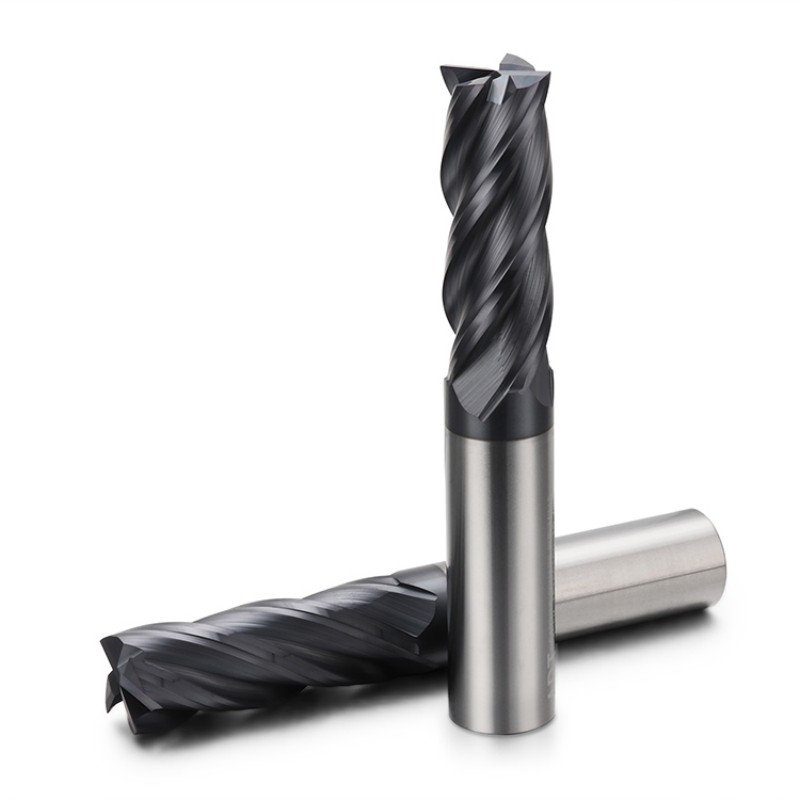
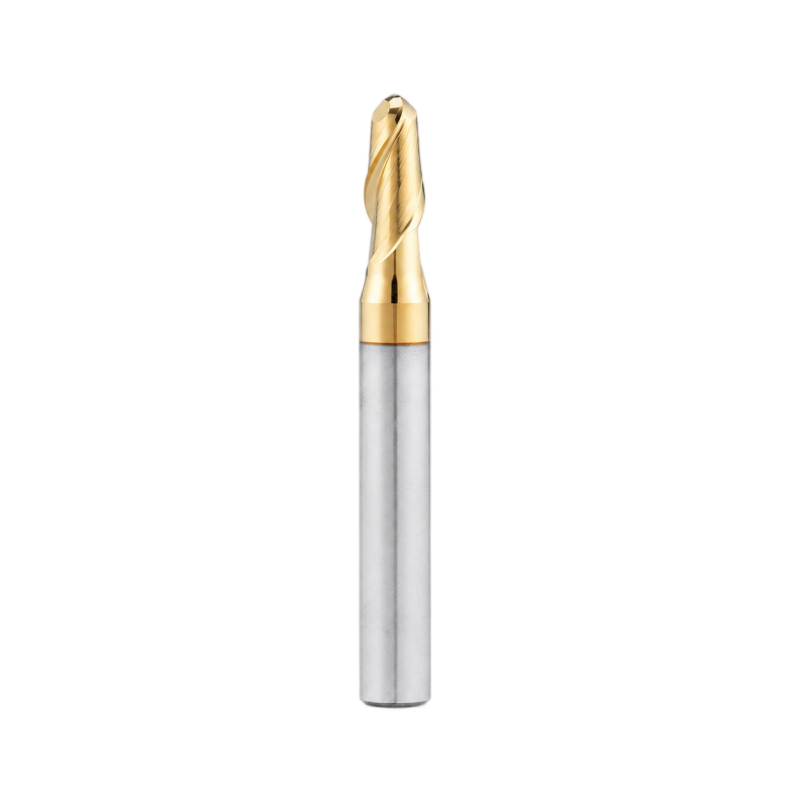
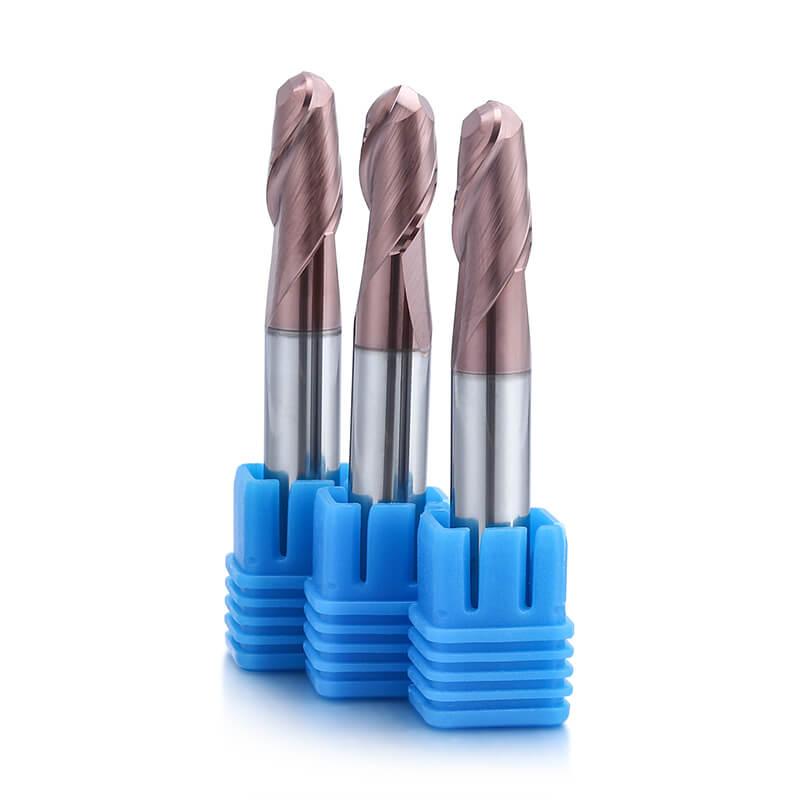
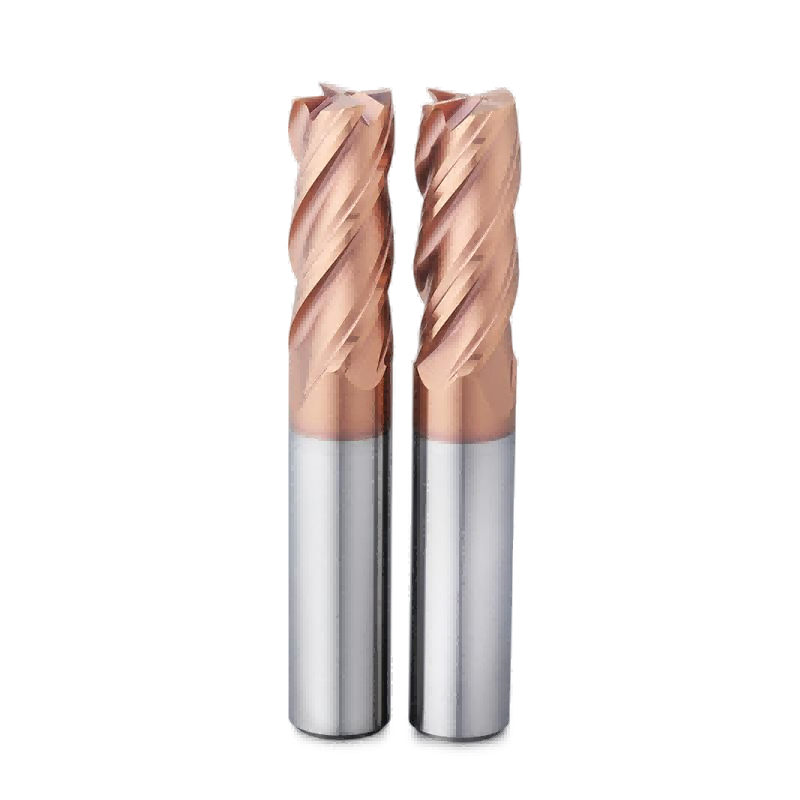
Solid carbide end mills are ideal for high-speed CNC machining because they offer excellent hardness, rigidity, heat resistance, and cutting stability. This article explains why they perform better than HSS tools and how they improve machining efficiency and surface quality in demanding applications.
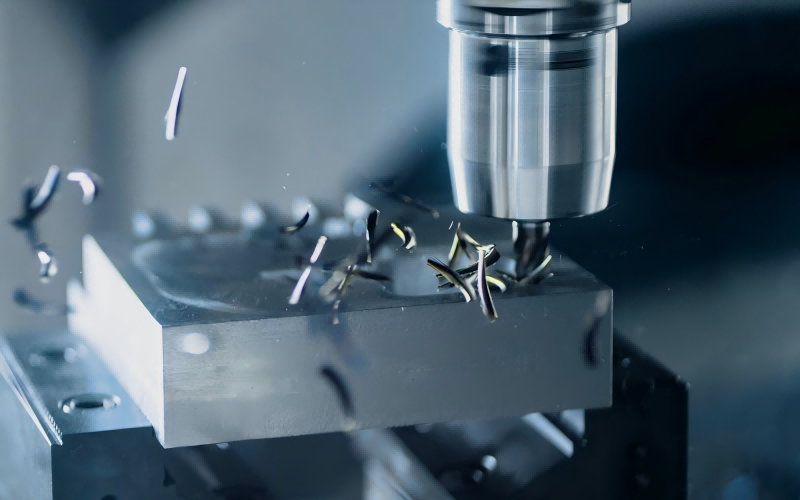
High-speed CNC machining is no longer limited to niche applications. Today, it is widely adopted across aerospace, automotive, mold making, medical, and general precision manufacturing. As spindle speeds continue to increase and machining strategies evolve toward higher efficiency, the performance of cutting tools becomes a decisive factor.
Among all cutting tool materials, solid carbide end mills remain the best solution for high-speed CNC machining due to their superior hardness, rigidity, thermal stability, and edge integrity. This article explains why solid carbide end mills outperform other tool materials and how different carbide end mill designs are optimized for specific workpiece materials.
What Is High-Speed CNC Machining?
High-speed CNC machining refers to milling operations performed with:
lHigh spindle speed (RPM)
lHigh cutting speed (Vc)
lIncreased feed rate
lReduced axial and radial depth of cut
The objective is to remove material efficiently while minimizing cutting forces, heat accumulation, and tool wear. However, high-speed machining places extreme demands on cutting tools, especially when machining difficult materials such as titanium alloys, stainless steels, hardened steels, and mold steels.
Only tools with excellent mechanical strength and thermal resistance can perform reliably under these conditions.
Common End Mill Materials Compared
Before understanding why solid carbide is ideal for high-speed CNC machining, it is helpful to compare it with other commonly used tool materials.
High-Speed Steel (HSS)
HSS end mills are suitable for low-speed machining and manual operations but lack the hardness and heat resistance required for modern CNC machining.
Cobalt Steel (HSS-Co)
Cobalt-added HSS offers slightly improved heat resistance but still fails quickly at high cutting speeds.
Solid carbide end mills offer:
lExtremely high hardness
lExcellent wear resistance
lSuperior rigidity
lStable performance at elevated temperatures
As a result, solid carbide end mills are the only practical choice for true high-speed CNC machining.
Why Solid Carbide End Mills Excel in High-Speed Machining
1. High Hardness and Edge Stability at Extreme Speeds
Solid carbide maintains cutting edge integrity even under high RPM and elevated cutting temperatures. This allows for stable machining of both soft and hard materials without rapid edge degradation.
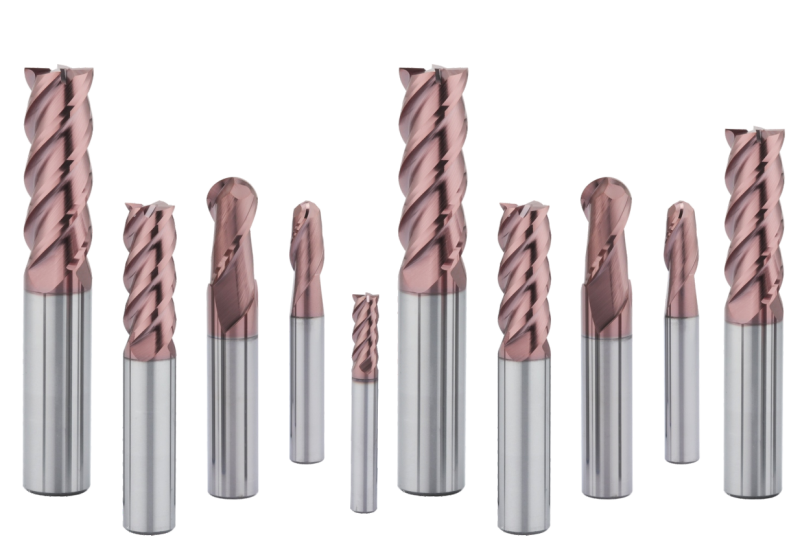
For hardened materials above HRC 60, DOHRE's HEX Series solid carbide end mills are specifically designed for high-speed machining of hardened steel, offering excellent wear resistance and long tool life.
2. Optimized Rigidity for Difficult-to-Cut Materials
High-speed machining amplifies vibration and tool deflection, especially when machining materials with high strength or low thermal conductivity.
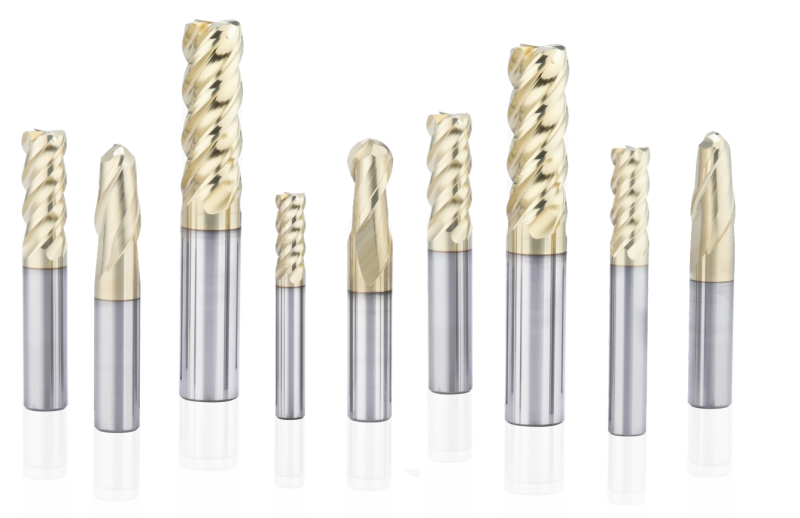
Titanium alloys are a typical example. Their tendency to generate heat and cause tool chatter requires carbide end mills with reinforced core design and optimized flute geometry.
The DEX Series end mill is engineered specifically for titanium alloy machining, providing enhanced rigidity and vibration control under high-speed conditions.
3. Heat Resistance for Stainless Steel Machining
Stainless steel machining generates significant heat and cutting resistance, particularly in high-speed CNC operations. Solid carbide end mills retain hardness at high temperatures and allow stable cutting without edge softening.
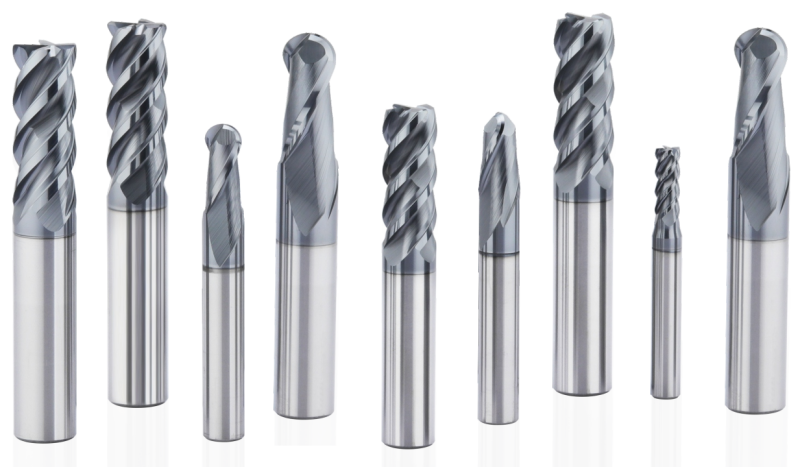
DOHRE's TEX Series solid carbide end mills are designed for high-speed machining of stainless steel, featuring optimized rake angles and coatings to reduce built-up edge and improve chip evacuation.
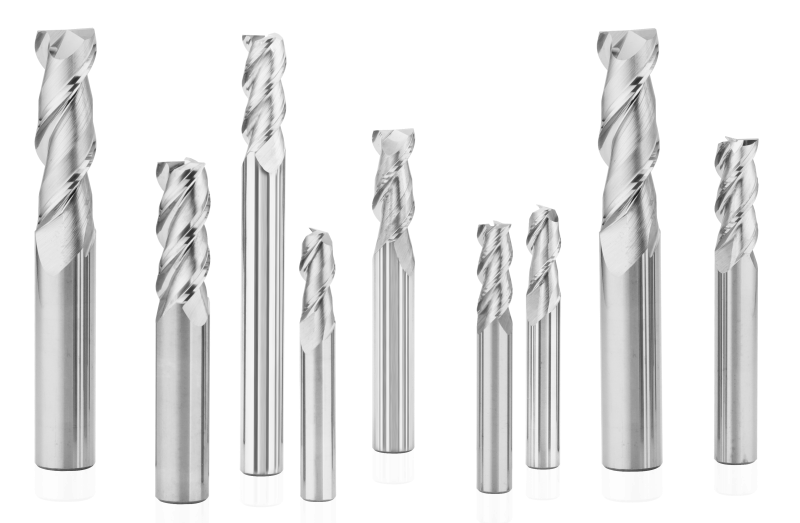
4. Sharp Cutting Geometry for Aluminum and Non-Ferrous Materials
In high-speed machining of aluminum and non-ferrous metals, cutting speed is extremely high, and chip evacuation becomes critical. Solid carbide allows ultra-sharp cutting edges and polished flutes that significantly reduce cutting resistance.
The AEX Series end mill is optimized for aluminum and non-ferrous materials, enabling high-feed, high-speed machining with excellent surface finish and minimal chip adhesion.
5. Stability and Precision in Mold Steel Machining
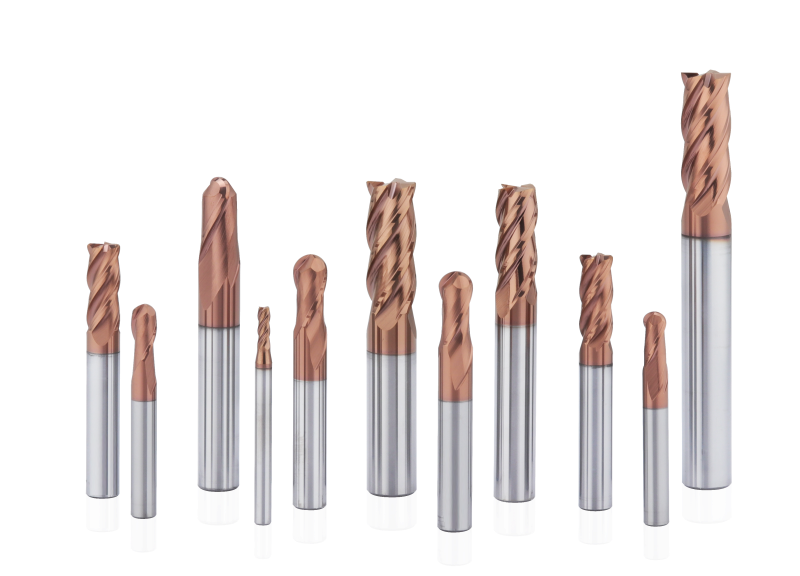
Mold steel machining often requires both roughing and finishing under high-speed conditions while maintaining dimensional accuracy and surface quality.
The UEX Series solid carbide end mills are designed specifically for mold steel applications, balancing tool strength, wear resistance, and surface finish performance in high-speed CNC machining.
Typical Applications of Solid Carbide End Mills in High-Speed CNC Machining
Solid carbide end mills are widely used in:
lAerospace structural components
lAutomotive parts and stainless steel components
lMold and die manufacturing
lPrecision mechanical parts
lGlasses Industry
Each application requires a dedicated tool geometry, which is why material-specific carbide end mills are essential for optimal performance.
How to Choose the Right Solid Carbide End Mill
When selecting a solid carbide end mill for high-speed CNC machining, consider the following factors:
1. Workpiece material
2. Required surface finish
3. Machine rigidity and spindle capability
4. Tool overhang length
5. Machining strategy (roughing or finishing)
Using a material-specific end mill series significantly improves machining stability and tool life.
Conclusion
High-speed CNC machining requires cutting tools that can withstand extreme mechanical and thermal loads without sacrificing precision or reliability. Solid carbide end mills provide unmatched performance across a wide range of materials when properly matched to the application.
By choosing the appropriate solid carbide end mill series for each specific material, including titanium alloys, stainless steel, aluminum, mold steel, and hardened steel, manufacturers can significantly improve productivity, extend tool life, and achieve more stable and consistent machining performance.