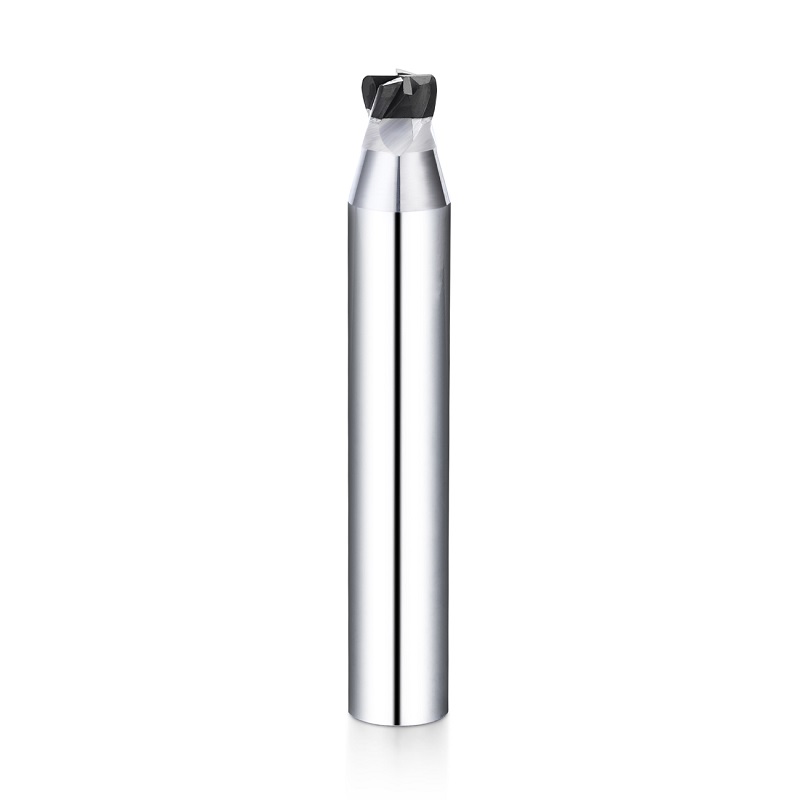
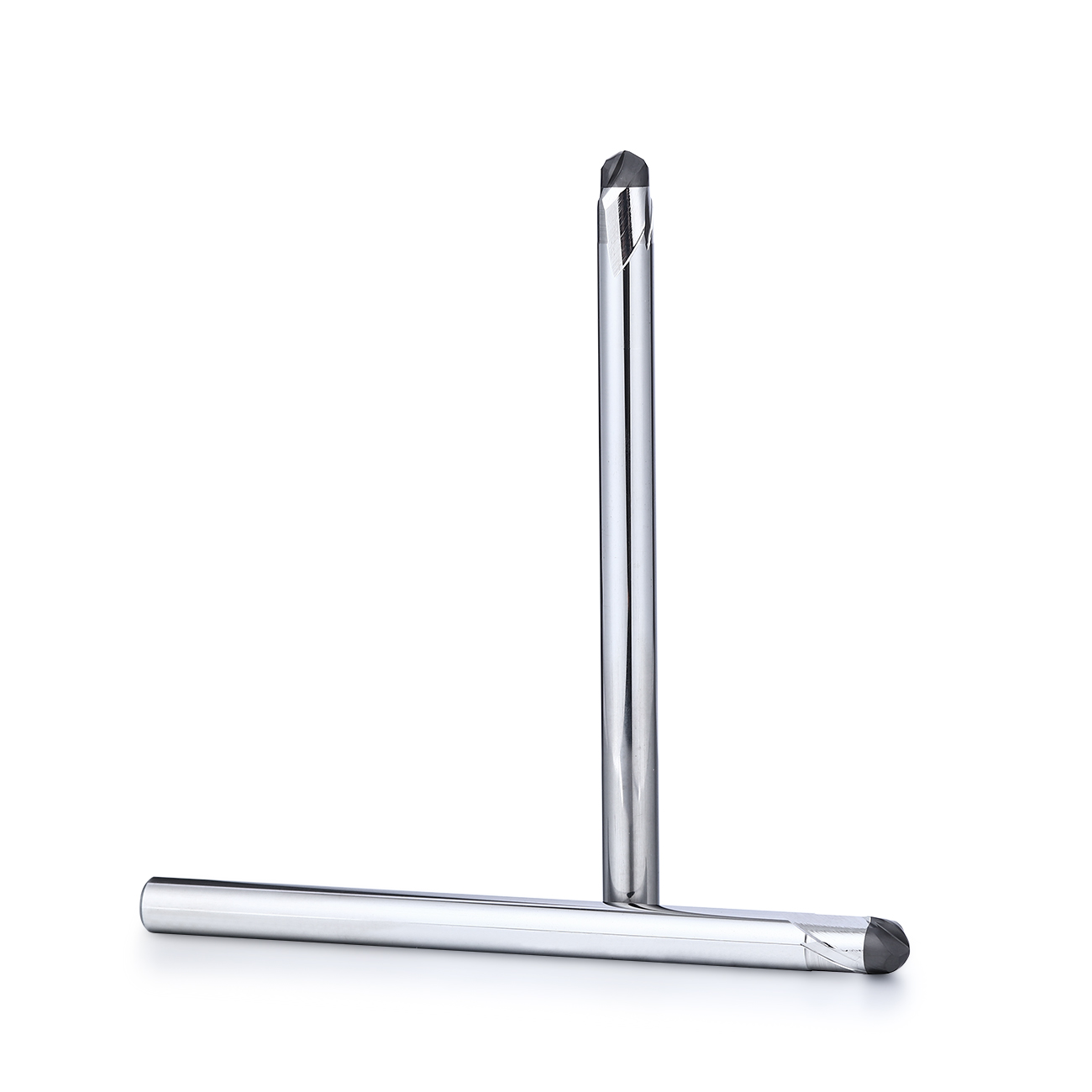
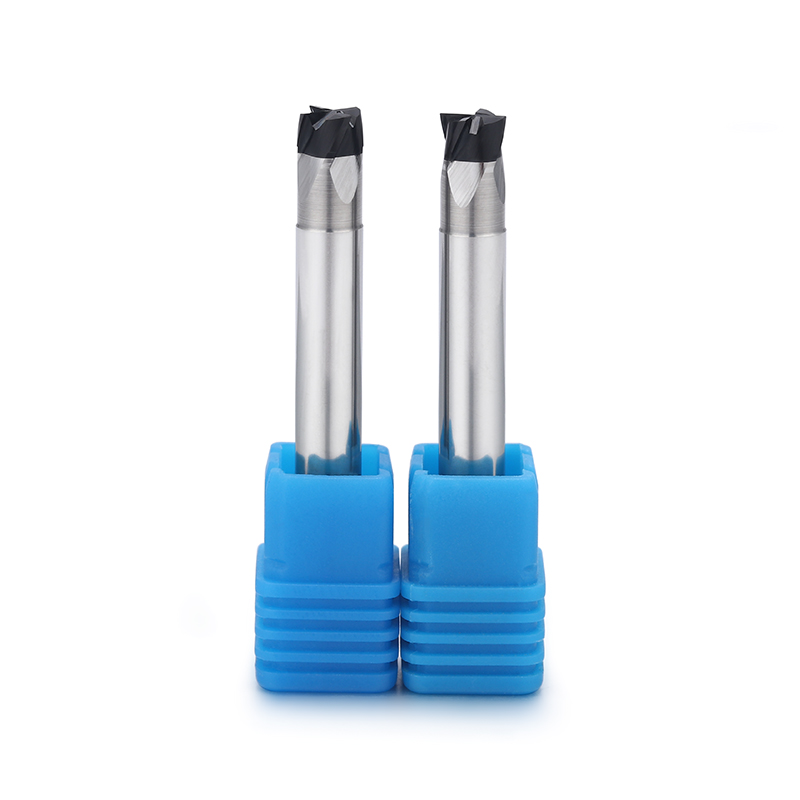
CBN End Mill for Hardened Steel: Square vs Ball Nose vs Corner Radius
Introduction
Choosing a CBN end mill for hardened steel is not only about tool material. Square, ball nose, and corner radius cutters each handle cutting load, surface shape, and edge strength differently, so the right choice should match the part geometry, machining stage, and finishing requirement.
Square, ball nose, and corner radius CBN end mills are all used in hardened steel machining, but they are designed for different cutting tasks. This guide explains the main differences between the three cutter types and how to choose the right one for slotting, profile milling, contouring, and high-accuracy finishing.
Once users decide that CBN is more suitable than carbide for a specific hardened steel application, the next question is usually no longer about tool material, but about cutter geometry. If you want a broader introduction first, you can also read our guide on what a CBN end mill is.
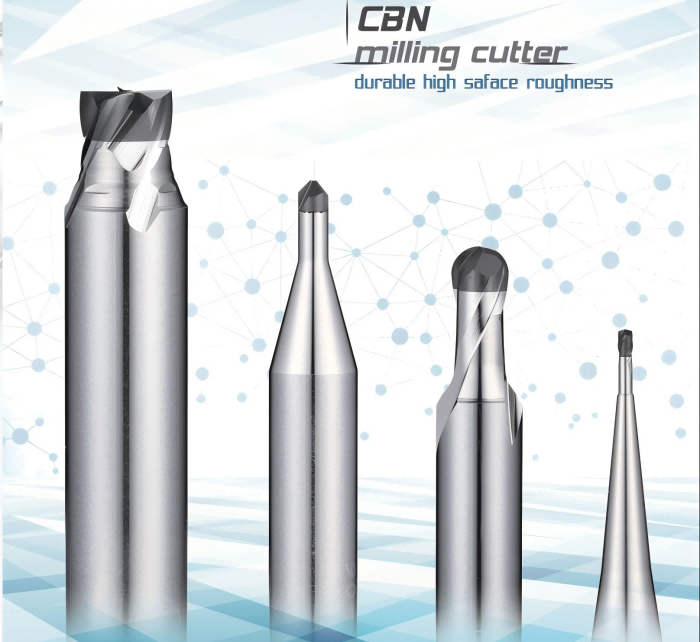
Why Cutter Type Matters in Hardened Steel Machining
In hardened steel machining, cutter type directly affects contact area, cutting stability, edge strength, and surface finish. Even if the tool material is already correct, the wrong cutter shape may still lead to lower efficiency, unstable finish quality, or reduced tool life.
That is why square, ball nose, and corner radius CBN end mills are not interchangeable in every application. Each one is more suitable for certain machining paths and workpiece geometries.
A Quick Comparison of Square, Ball Nose, and Corner Radius CBN End Mills
| Tool Type | Best For | Main Advantage | Typical Limitation |
|---|
| Square CBN End Mill | Flat surfaces, side milling, straight walls, general profile work | Efficient for defined edges and flat-bottom features | Less suitable for curved surfaces and smooth contour transitions |
| Ball Nose CBN End Mill | Contours, cavities, 3D surfaces, curved profiles | Better for smooth geometry transitions | Not the best choice for flat-bottom cuts or sharp corners |
| Corner Radius CBN End Mill | Semi-finishing, finishing, stronger edges, stable sidewall work | Combines better edge strength with more stable finishing | Not as suitable as ball nose for complex 3D contours |
When Should You Use a Square CBN End Mill?
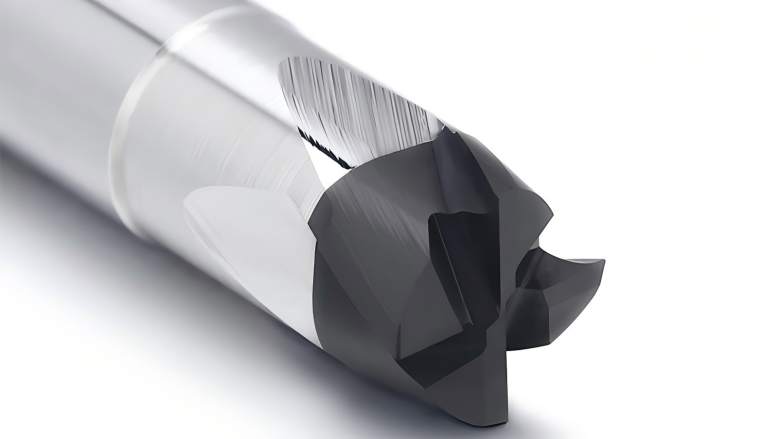
A square CBN end mill is often the better choice when the job involves flat surfaces, straight walls, and defined edges. In hardened steel machining, it can be a practical option for side milling, profile work, and certain slotting or shoulder-type features where a flat cutting end is necessary.
If the workpiece geometry does not require curved transitions, a square CBN end mill can often provide a more direct cutting solution than a rounded-end design.
When Should You Use a Ball Nose CBN End Mill?
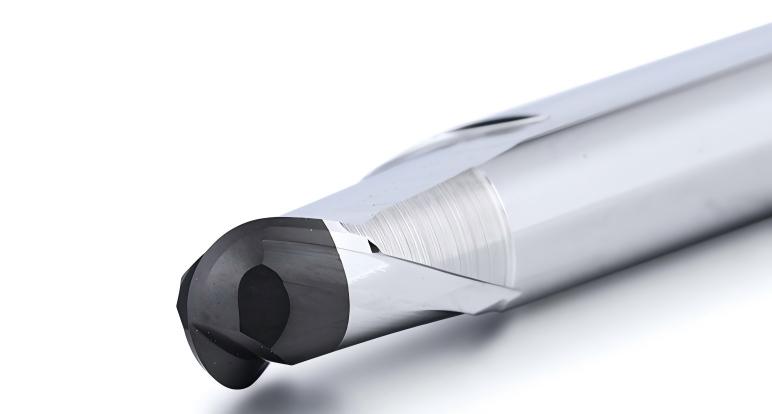
A ball nose CBN end mill is more suitable for contour milling, curved surfaces, cavity finishing, and 3D hardened steel geometries. Its rounded cutting tip allows smoother transitions along complex surfaces and is often preferred in mold and die finishing work.
If the machining path includes arcs, radiused surfaces, or detailed contour finishing, a ball nose CBN end mill is usually more appropriate than a square tool.
When Should You Use a Corner Radius CBN End Mill?
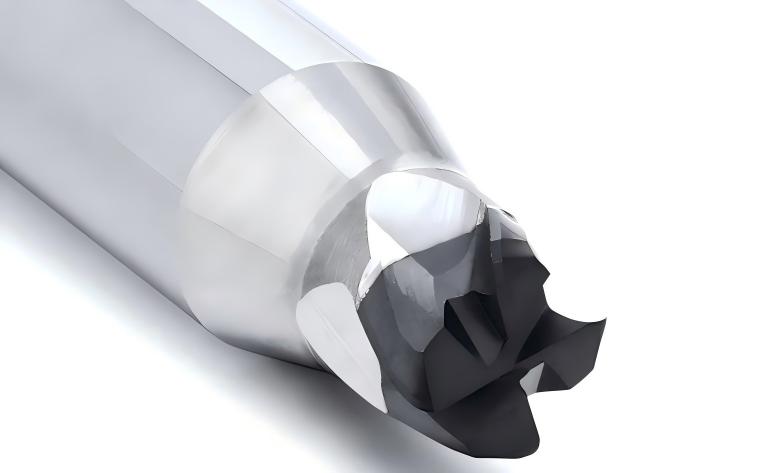
A corner radius CBN end mill is often chosen when users want better edge strength than a sharp-cornered square tool, while still keeping a cutter shape more stable than a full ball nose design in certain finishing paths.
In many hardened steel finishing applications, a corner radius CBN end mill is a practical compromise between geometry control and cutter durability.
How Surface Shape Affects the Right Choice
A simple way to choose between these three cutter types is to start with the surface shape of the part.
• Use a square CBN end mill when the part mainly requires flat surfaces, straight walls, and defined edges.
• Use a ball nose CBN end mill when the part includes curved surfaces, cavities, and contour paths.
• Use a corner radius CBN end mill when you need stronger edges and more stable finishing with slight corner protection.
If your main application is hardened steel finishing, you can also read our article on how CBN end mills improve accuracy and tool life in hardened steel.
Which Tool Type Is Better for Accuracy and Tool Life?
There is no single answer for every condition. Accuracy and tool life depend on geometry, cutting path, workpiece hardness, and setup stability.
In practical use, square tools may be more efficient for flat-edged work, ball nose tools may be more suitable for contour accuracy, and corner radius tools may offer a stronger balance between finish stability and edge durability. The best choice depends on what kind of accuracy the part actually requires.
Do These Choices Change for Quenched Steel?
The same basic logic still applies in quenched steel machining, but the need for stable wear resistance and cutter reliability often becomes even more important. For users machining heat-treated materials, it is often practical to compare tool type within a dedicated end mill for quenched steel range rather than choosing only by shape.
Why Choosing CBN Instead of Carbide Is Only the First Step
Many users first ask whether CBN should replace carbide in a specific hardened steel job. That is an important decision, but it only solves the tool material question. After that, cutter type still needs to match the part geometry and the actual machining purpose.
If that earlier decision is still unclear, you can also read our guide on when to use a CBN end mill instead of carbide.
How to Choose the Right CBN End Mill for Hardened Steel
A practical selection process usually starts with these questions:
• Is the surface mainly flat, straight, or curved?
• Is the job roughing, semi-finishing, or finishing?
• Is edge strength more important, or is contour smoothness more important?
• Does the process need sharp profile definition or smoother transition geometry?
When these questions are answered first, the choice between square, ball nose, and corner radius becomes much easier and more reliable.
Conclusion
Square, ball nose, and corner radius CBN end mills all play different roles in hardened steel machining. A square tool is usually better for flat surfaces and defined edges, a ball nose tool is more suitable for contours and cavities, and a corner radius tool often provides stronger edge support and stable finishing performance.
The right choice depends less on which tool is universally better, and more on which cutter shape matches the actual workpiece geometry and machining stage. In hardened steel applications, choosing the right CBN geometry is just as important as choosing CBN itself.
If you are evaluating solutions for high-hardness materials, exploring a complete CBN milling solution for quenched steel can help you compare cutter types more effectively.
FAQ
What is the difference between square, ball nose, and corner radius CBN end mills?
The main difference is cutter geometry. Square tools are better for flat surfaces and defined edges, ball nose tools are better for contours and curved surfaces, and corner radius tools offer stronger edge support for stable finishing.
When should I use a ball nose CBN end mill for hardened steel?
A ball nose CBN end mill is usually more suitable for contour milling, cavity finishing, and curved hardened steel surfaces.
When is a corner radius CBN end mill a better choice?
A corner radius CBN end mill is often chosen when users want more edge strength and more stable finishing than a sharp-cornered square tool can provide.
Can I use a square CBN end mill for hardened steel finishing?
Yes, when the workpiece geometry mainly requires flat surfaces, straight walls, or defined edges, a square CBN end mill can be a practical choice.
Is tool geometry still important after deciding to use CBN instead of carbide?
Yes. Choosing CBN solves the tool material question, but cutter geometry still determines how well the tool matches the actual part shape and machining path.
Looking for the Right CBN End Mill?
Explore our End Mill for Quenched Steel range to compare square, ball nose, and corner radius CBN end mills for different hardened steel applications.
Contact us for product recommendations and custom tool solutions.