How to Improve Surface Finish in HRC60–68 Hardened Steel Milling
Introduction
Surface finish is one of the main concerns in HRC60–68 hardened steel milling, especially in mold finishing and precision cavity machining. Poor finish is often related to vibration, tool wear, runout, unsuitable cutter geometry, or unstable cutting conditions. Improving surface quality requires both a suitable high-hardness end mill and a stable machining process.
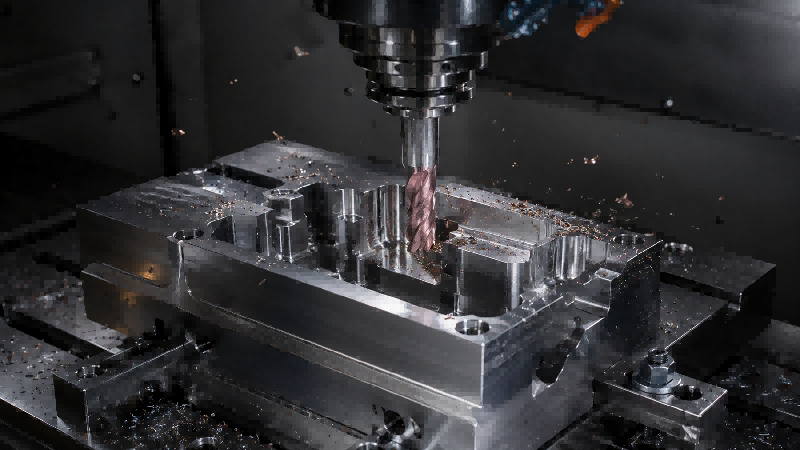
In hardened mold steel milling, a poor surface finish rarely comes from one reason. It may be caused by tool wear, slight runout, vibration, an unsuitable cutting edge, or a toolpath that creates unstable engagement. When the material reaches HRC60–68, these small problems become much easier to see on the finished surface.
For mold finishing, surface quality is not only about appearance. A smoother and more consistent finish can reduce polishing time, improve dimensional control, and help keep the part quality more stable from one operation to the next. This is why cutter selection, setup rigidity, and cutting conditions should be considered together.
Why Surface Finish Is Difficult to Control in HRC60–68 Hardened Steel
HRC60–68 hardened steel puts high pressure on the cutting edge. The cutter must remove material from a hard surface while keeping the edge stable, the cutting force controlled, and the toolpath smooth. Compared with lower-hardness steel, there is less room for error.
If the tool has poor rigidity, excessive runout, or unstable edge contact, the surface may show visible tool marks, wavy patterns, or uneven brightness. In some cases, the problem is not obvious during cutting, but it becomes clear after the part is cleaned or inspected under light.
Before improving surface finish, it is important to confirm whether the end mill matches the workpiece hardness and machining stage. Our guide on how to choose an end mill for HRC60–68 hardened mold steel explains the basic selection logic for high-hardness mold steel applications.
Common Surface Finish Problems in Hard Milling
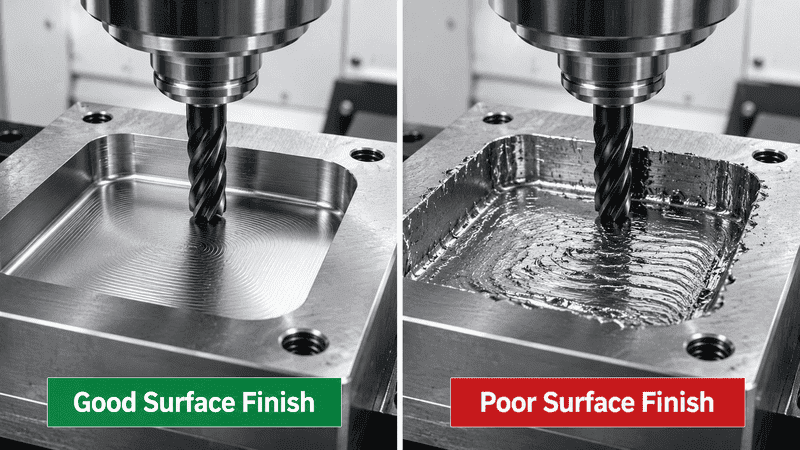
Different surface problems usually point to different causes. Looking at the surface pattern can help identify whether the issue is related to vibration, tool wear, feed marks, or cutting edge condition.
| Surface Problem | Possible Cause | What to Check |
|---|
| Visible chatter marks | Vibration, long overhang, unstable engagement | Toolholding rigidity, runout, toolpath, cutting load |
| Uneven tool marks | Runout or uneven flute loading | Holder accuracy, spindle condition, cutter clamping |
| Rough or torn surface | Worn edge, unsuitable geometry, excessive cutting load | Tool wear, cutting edge condition, feed and depth of cut |
| Strong feed marks | Large step-over or unsuitable feed per tooth | Step-over, feed rate, finishing allowance, toolpath spacing |
How Cutter Geometry Affects Surface Quality
Cutter geometry has a direct effect on the finished surface. In HRC60–68 hardened steel, the cutting edge needs enough strength to resist wear and micro-chipping, but it also needs to cut smoothly. If the edge is too weak, it may chip. If the geometry creates too much cutting resistance, the surface may become rough or unstable.
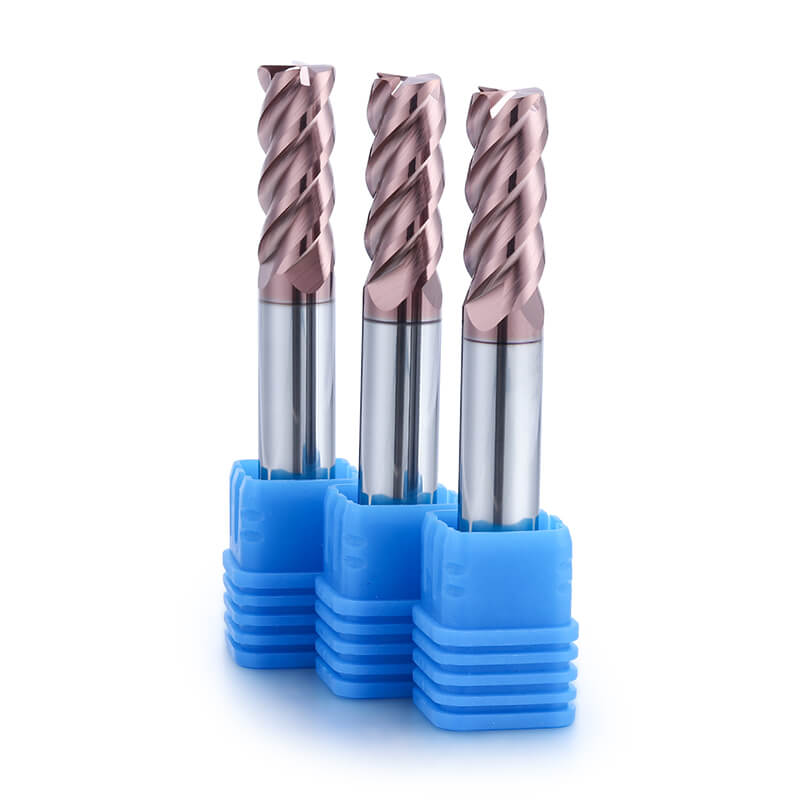
For finishing hardened steel, edge strength, helix design, flute balance, and edge preparation are all important. A stable cutting edge helps reduce surface marks and keeps the tool wear more predictable during longer finishing operations.
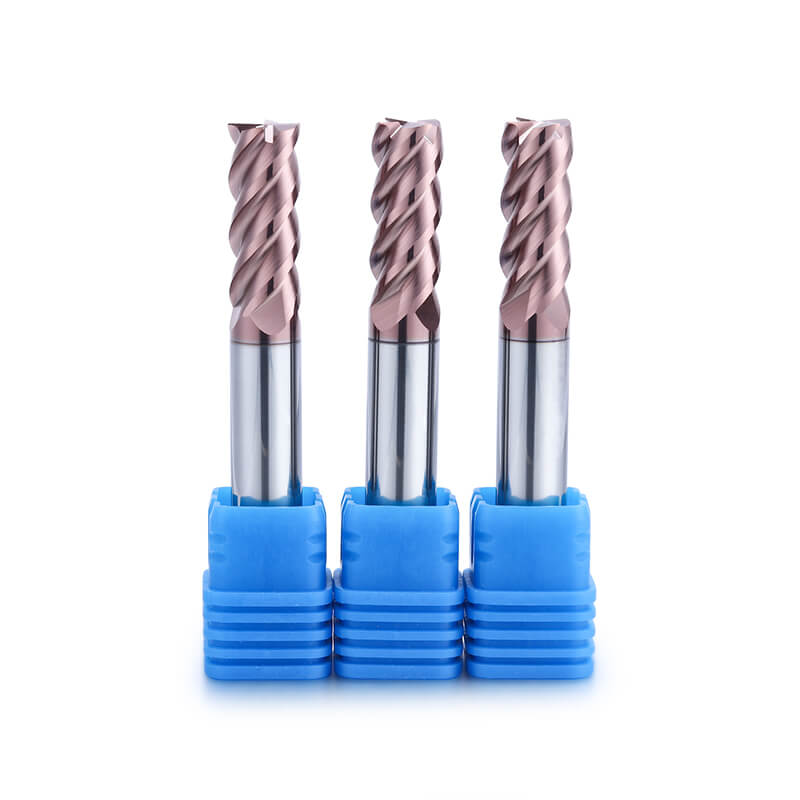
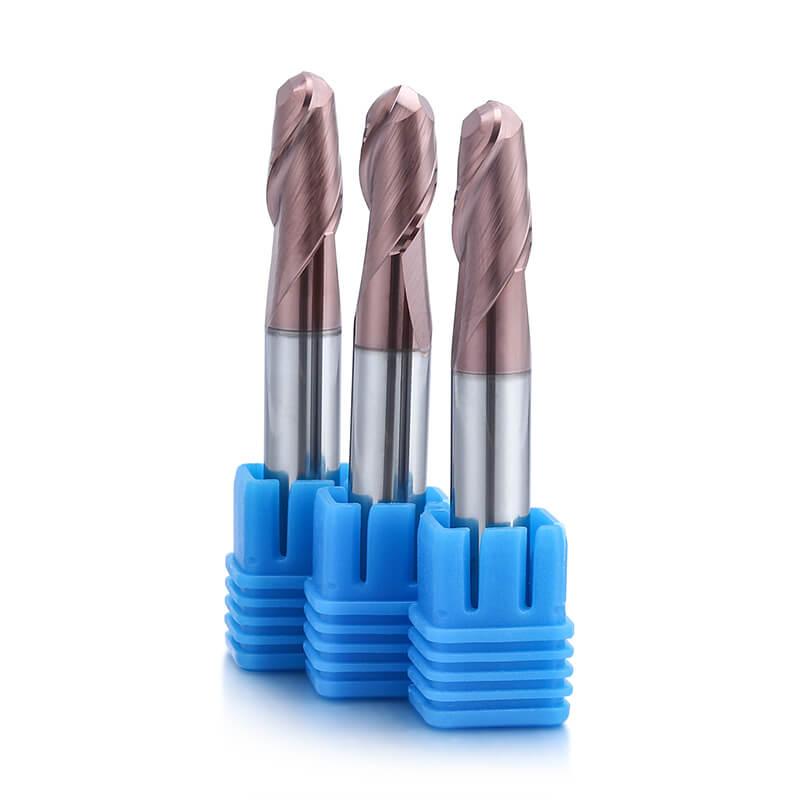
Tool shape also matters. Flat end mills, corner radius end mills, and ball nose end mills create different contact patterns on the workpiece. The right choice depends on whether the part requires flat finishing, sidewall finishing, corner strength, or 3D contour machining.
Why Runout and Toolholding Accuracy Matter
Runout is one of the most common hidden reasons for poor surface finish. When the cutter does not rotate concentrically, each flute does not remove the same amount of material. One flute may cut more heavily, while another flute may rub or cut less effectively.
In softer materials, small runout may not always create obvious surface defects. In HRC60–68 hardened steel, however, the same runout can cause uneven tool marks, faster edge wear, and unstable surface texture.
For finishing operations, checking the holder, spindle, collet, and clamping condition is often just as important as changing the cutter. A good end mill still needs a stable and accurate setup to produce a consistent finish.
How Tool Wear Changes the Finished Surface
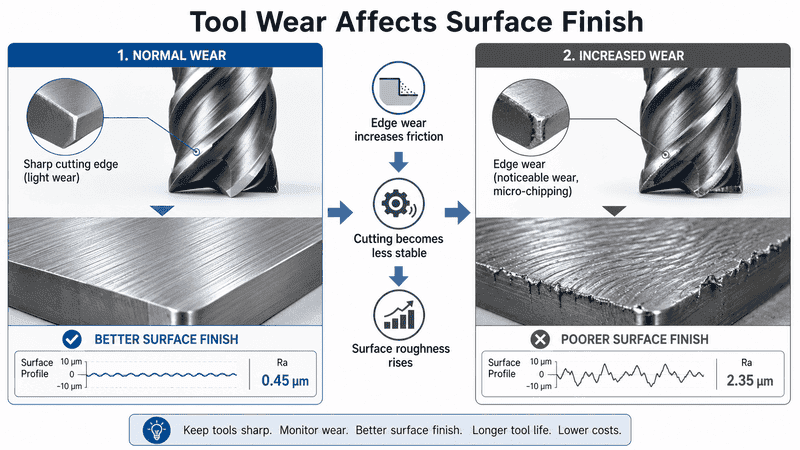
As the cutting edge wears, the surface finish usually changes before the tool completely fails. The part may begin to show dull areas, stronger tool marks, small scratches, or inconsistent brightness. These signs often mean the edge is no longer cutting cleanly.
Normal wear is usually gradual and predictable. The surface may slowly become less smooth, but the cutting process remains stable. Chipping is different. Once the edge is damaged, the cutter may leave obvious marks on the workpiece and the surface quality can drop suddenly.
When surface quality becomes worse together with cutting noise or visible edge damage, the issue may be related to chipping. This topic is discussed in more detail in our article on why end mills chip when milling HRC60–68 hardened steel.
Cutting Parameters That Influence Surface Finish
Cutting parameters should not be adjusted randomly. In hardened steel finishing, spindle speed, feed rate, radial engagement, axial depth, and finishing allowance all affect the final surface. Changing only one value may not solve the problem if the overall cutting load remains unstable.
| Parameter | Effect on Surface Finish | Adjustment Direction |
|---|
| Feed rate | Affects feed marks and cutting load | Keep feed stable and suitable for the tool diameter and hardness |
| Step-over | Controls cusp height and visible toolpath marks | Use smaller step-over for finer finishing |
| Depth of cut | Changes cutting force and tool deflection | Avoid excessive load during finishing |
| Spindle speed | May affect cutting smoothness and vibration | Adjust together with feed and engagement to maintain stability |
Step-Over, Feed Marks, and Toolpath Stability
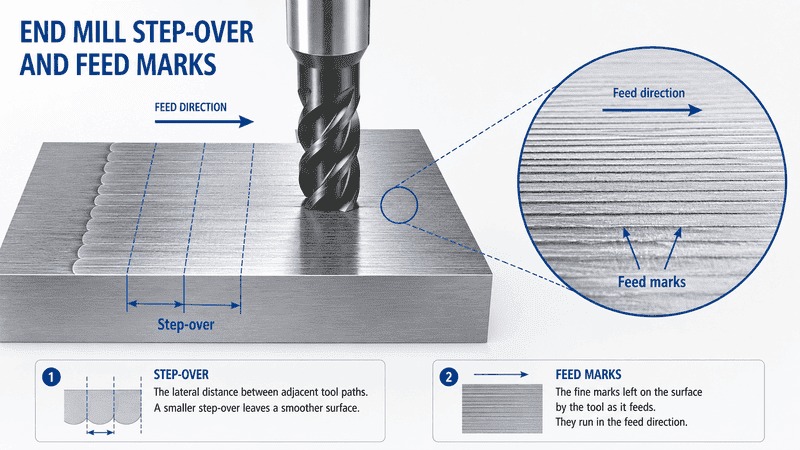
Step-over is especially important in finishing. If the step-over is too large, the surface may show obvious toolpath marks even when the cutter is sharp and the machine is stable. This is common in 3D contour finishing, cavity finishing, and mold surface machining.
Feed marks can also become more visible when the cutting edge is worn, the feed per tooth is too high, or the toolpath changes direction too suddenly. In HRC60–68 hardened steel, these marks are often more difficult to remove without additional polishing.
A stable toolpath should avoid sudden load changes, sharp corner engagement, and unnecessary interruptions. Smooth engagement helps keep the cutting edge working consistently, which is important for both surface finish and tool life.
Vibration and Chatter Marks on the Finished Surface
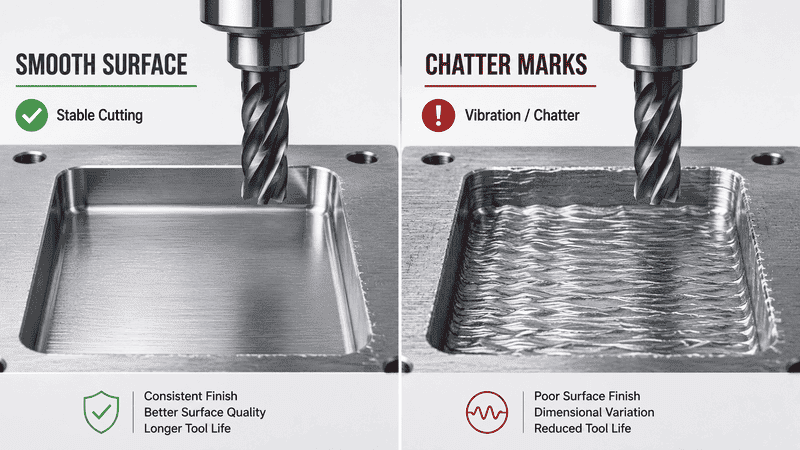
Chatter marks are one of the clearest signs of unstable milling. They may appear as repeated waves, uneven lines, or bright and dark patterns on the machined surface. In mold machining, even small chatter marks can increase polishing time and affect final part quality.
When chatter is the main cause, simply changing to a new cutter may not solve the problem. Tool overhang, holder rigidity, radial engagement, spindle speed, and toolpath stability should also be checked. A more complete discussion is available in our article on how to reduce vibration and chatter in HRC60–68 hardened steel milling.
Practical Tips to Improve Surface Finish in Hardened Steel Milling
• Choose an end mill suitable for the actual hardness range, not only the material name.
• Use a rigid toolholder and keep tool overhang as short as possible.
• Check runout before finishing high-hardness mold steel parts.
• Use cutter geometry that supports edge strength and stable cutting.
• Reduce step-over when a finer surface is required.
• Avoid sudden tool engagement and sharp load changes in the toolpath.
• Replace the tool before edge wear begins to affect the finished surface.
• Evaluate the surface under consistent lighting to identify chatter marks, feed marks, or wear-related defects.
FAQ
Why is surface finish difficult in HRC60–68 hardened steel milling?
Because the cutting edge works under high pressure and the process is sensitive to vibration, runout, tool wear, and unstable engagement. Small setup problems can become visible on the finished surface.
What causes visible tool marks on hardened steel?
Visible tool marks may come from large step-over, high feed marks, runout, cutter wear, vibration, or an unstable toolpath. The pattern of the marks can help identify the cause.
Does a sharper end mill always improve surface finish?
Not always. A sharp edge can help cutting smoothness, but in HRC60–68 hardened steel the edge also needs enough strength. If the edge is too weak, it may chip and reduce surface quality.
How does step-over affect surface finish?
Step-over affects the height and spacing of toolpath marks. A smaller step-over usually produces a finer surface, especially in finishing and 3D contour machining.
Can vibration cause poor surface finish?
Yes. Vibration can leave chatter marks, wavy patterns, and uneven surface texture. It can also accelerate tool wear and make the finish less consistent.
Conclusion
Improving surface finish in HRC60–68 hardened steel milling depends on more than one factor. Cutter geometry, tool wear, runout, toolholding rigidity, step-over, feed marks, and vibration all influence the final result.
For high-hardness mold steel finishing, the goal is to keep the cutting edge stable and the machining process predictable. A suitable high-hardness steel end mill, combined with a rigid setup and controlled toolpath, can help reduce surface defects and improve finishing consistency.
Dohre's HEX series high-hardness steel end mills for HRC60–68 hardened materials are designed for hard milling applications where surface finish, edge strength, and machining stability are important. Contact us for hardened steel end mill recommendations or custom tool solutions.