What Are End Mills Used For: The Complete Guide to End Mill Applications in Modern Machining
Introduction
End mills are versatile cutting tools used for profiling, slotting, pocketing, facing, plunging, and complex 3D machining in modern CNC manufacturing. This article explains the main end mill applications, common tool types, and how material, flute count, and geometry affect machining performance.
End mills are among the most fundamental and versatile cutting tools in contemporary manufacturing. Whether you run a CNC machining shop, work in aerospace or automotive production, or simply need precision milling for prototyping, understanding what end mills are used for is essential for producing accurate parts, improving surface finish, and optimizing manufacturing processes. This deep dive will explain everything from basic uses to advanced applications and how to choose the right end mill for your job.
What Is an End Mill?
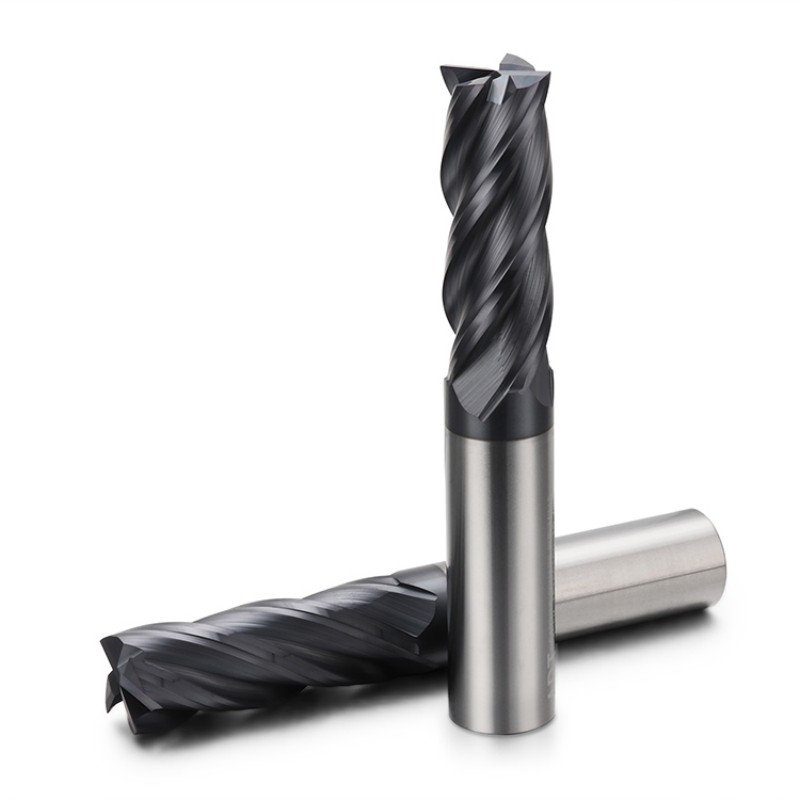
An end mill is a rotary cutting tool used primarily in milling machines and CNC machining centers. Unlike a drill bit, which can only cut straight down into material, end mills have cutting edges on both the side and bottom of the tool. This design allows them to cut in multiple directions — axial, radial, and lateral — making them far more versatile than standard drills.
End mills are designed to remove material by rotating at high speed and translating along configured toolpaths. They can be used on a wide range of materials—from metals like steel and aluminum to plastics, composites, wood, and even stone.
Core Uses of End Mills in Machining
1. Profiling and Contouring
Profiling is one of the most common uses of an end mill. It involves following a predefined path on the surface of a workpiece to create complex shapes and contours—such as external part profiles or internal walls of cavities. End mills used for profiling often have multiple flutes that balance chip removal and surface finish quality.
2. Slotting and Pocketing
Slotting refers to cutting straight or curved slots into a workpiece. Pocketing is similar but focuses on removing interior material to create recessed areas or pockets. Both tasks rely on end mills that can make precise lateral cuts while evacuating chips efficiently.
3. Facing
Facing involves cutting the top surface of a workpiece flat and smooth. End mills used for facing are often wide and have multiple flutes, providing even contact across the surface to give a consistent finish.
4. Plunging and Ramp Cutting
Some end mills can plunge directly into material without pre drilled holes, a technique known as ramping. This makes them useful for creating deep cavities or holes with complex sidewalls.
5. Complex 3D Machining
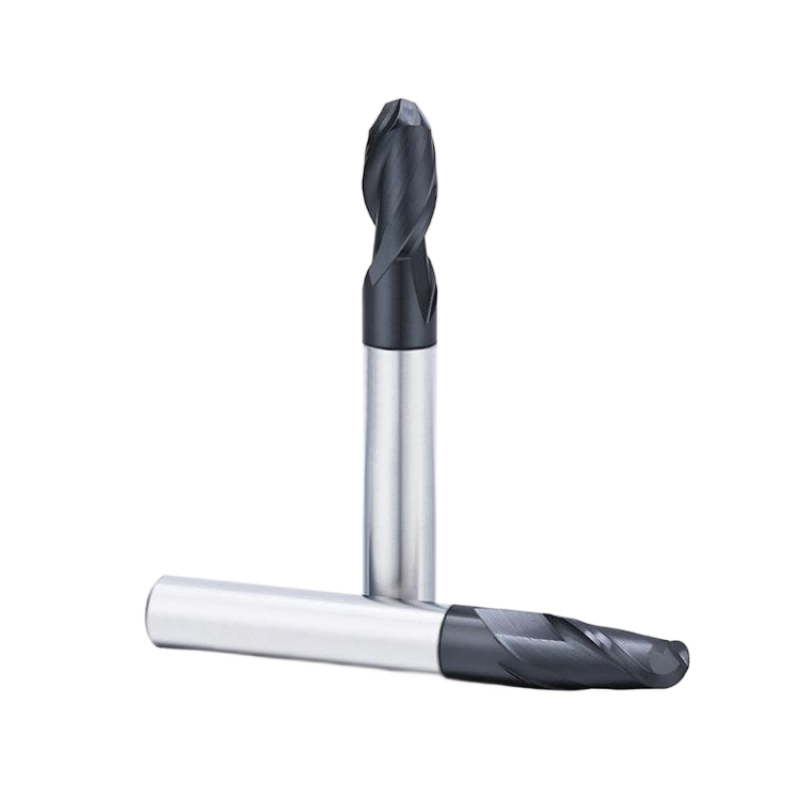
Advanced machining applications—such as sculpted surfaces on aerospace parts, medical implants, or die cast tooling—require end mills capable of 3D contouring with extremely tight tolerances. Tools like ball nose end mills excel at this, producing smooth curved transitions.
End Mill Operations Explained
Here are the most common machining operations where end mills are essential:
Profile Milling
Cuts around the edge of a part to define its outer shape.
Contour Milling
Follows curved or angled surfaces to generate complex geometries.
Slot Milling
Creates channels of specific widths and depths.
Pocket Milling
Removes large internal areas for cavities or recesses.
Facing
Produces a flat surface, often as a finishing step.
Plunge Cutting
Cuts straight down into material without pre drilling.
These operations are foundational to everything from simple machine parts to high precision components requiring micron level finishes.
Differences Between End Mills and Other Cutting Tools
One key advantage of end mills is their multi directional cutting ability. Let’s compare them to other common tools:
Tool | Primary Function | Cutting Directions |
End Mill | Milling and profiling | Axial + Radial + Lateral |
Drill Bit | Drilling holes | Axial only |
Tap | Cutting threads | Rotational thread cutting |
While drill bits can only drill vertical holes, end mills cut sideways, enabling slotting, contouring, and complex shaping. This makes them indispensable in milling operations where geometry and precision matter.
Types of End Mills & Their Uses
Choosing the right type of end mill depends on material, surface finish, and part geometry. Here are the main categories:
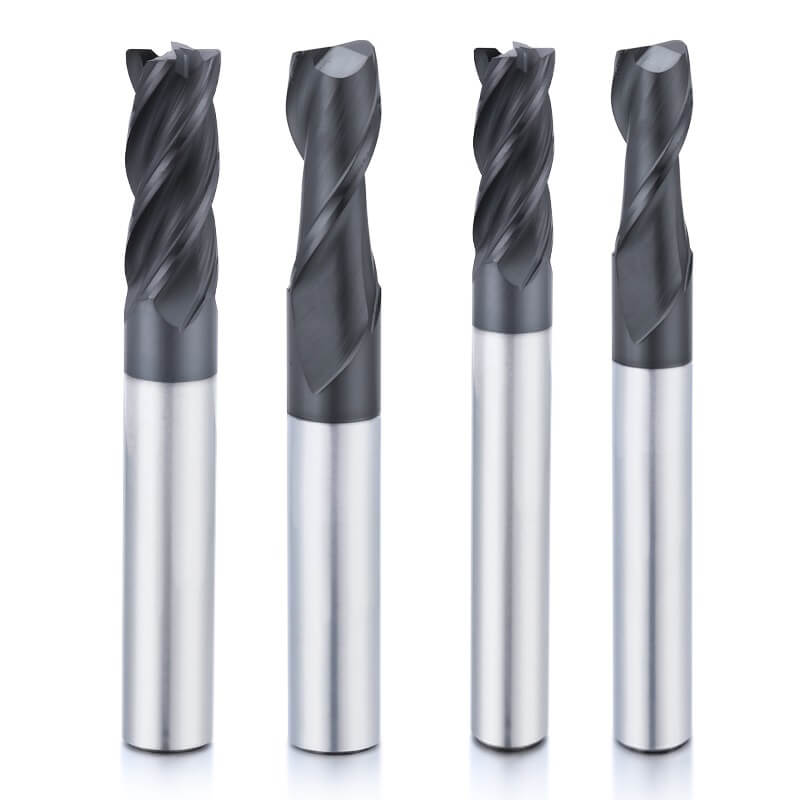
General purpose tools for slotting, profiling, and surface finishing. They leave sharp corners and are ideal for most standard milling jobs.
Have a rounded tip and are used for 3D contouring and curved surface work. Excellent for molds, dies, and sculpted parts.
Provide slightly rounded corners to reduce stress concentrations on parts and increase tool life.
Designed to remove large amounts of material quickly. They have serrated cutting edges that handle heavy loads but leave a rough surface.
Specialized for cutting T shaped slots found in fixtures, machine table setups, and structural parts.
Used to create internal and external threads with CNC control more flexibly than taps.
How Material and Geometry Affect End Mill Use
The material of the workpiece dramatically influences tool choice and machining strategy:
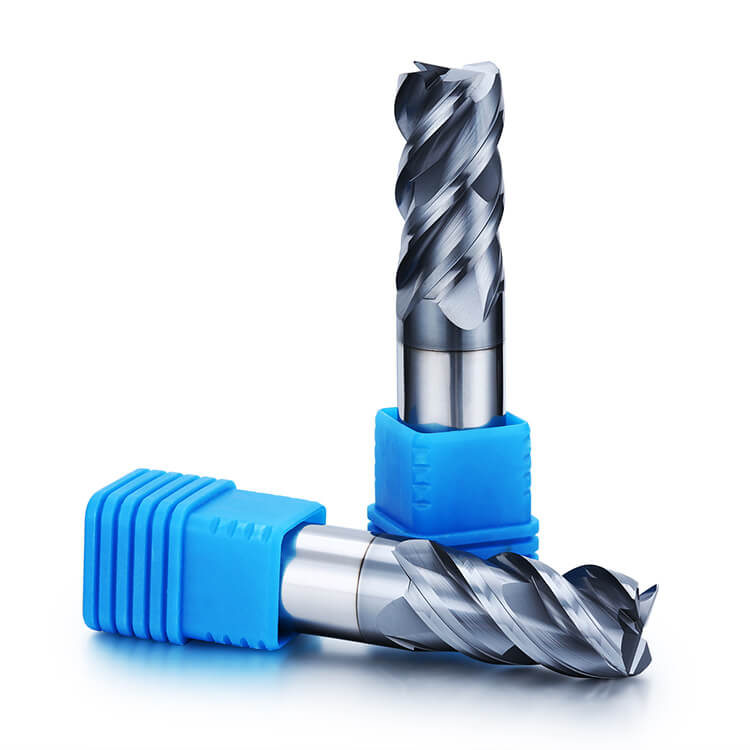
Metals (steel, aluminum, titanium) → often need carbide end mills due to heat and wear resistance.
Plastics and composites → straight flutes and high rake angles improve chip evacuation.
Wood or soft materials → fewer flutes help remove large chips quickly.
Flute count matters too. Fewer flutes allow better chip clearance but may reduce surface finish quality, while more flutes yield smoother finishes with slower chip evacuation.
Industry Applications for End Mills
End mills are used across countless industries. Highlights include:
Aerospace
Machining critical components from titanium and nickel alloys requires precision and heat resistance. Carbide end mills provide both.
Automotive
From engine blocks to transmission housings, end mills handle heavy material removal and high precision finishing.
Industrial Equipment
Gears, shafts, flanges, and structural parts rely on robust end milling for both roughing and finishing steps.
Tool & Die
Complex molds and dies for plastic injection and metal stamping are shaped using ball nose and corner radius end mills.
Best Practices for End Mill Machining
To maximize performance and tool life:
l Choose the right tool material (carbide vs HSS) based on workpiece hardness.
l Match flute count to material for optimal chip flow.
l Optimize speeds & feeds to reduce vibration and improve finish.
l Use coatings (TiAlN, AlTiCrN) to reduce wear and heat.
l Avoid excessive overcutting—this increases tool wear and reduces part accuracy.
Conclusion
End mills are essential cutting tools in modern machining. Their ability to cut in multiple directions, handle complex geometries, and operate across diverse materials makes them one of the most versatile tools in a machinist’s arsenal. Whether you are profiling intricate contours, pocketing internal cavities, or achieving high precision finishes, understanding what end mills are used for and how to choose them will elevate manufacturing quality and efficiency.