Why Do CBN End Mills Chip or Wear Quickly? Causes and Solutions
Introduction
CBN end mills can deliver stable performance in hardened and quenched steel, but they are sensitive to tool selection, cutting conditions, and setup stability. When chipping or fast wear appears too early, the cause is often not the tool material alone, but a mismatch between hardness, geometry, engagement, and machining stability.
CBN end mills are designed for high-hardness machining, but they can still chip or wear quickly when the tool, workpiece, and cutting conditions do not match well. This guide explains the most common causes of premature wear and edge damage, and how to improve tool life in hardened steel and quenched steel applications.
In practice, early failure of a CBN end mill is rarely caused by one factor alone. It is usually the result of a mismatch between workpiece hardness, cutter geometry, setup rigidity, and cutting conditions. That is why wear problems are often easier to solve once the application is viewed as a complete machining system rather than only a tool issue.
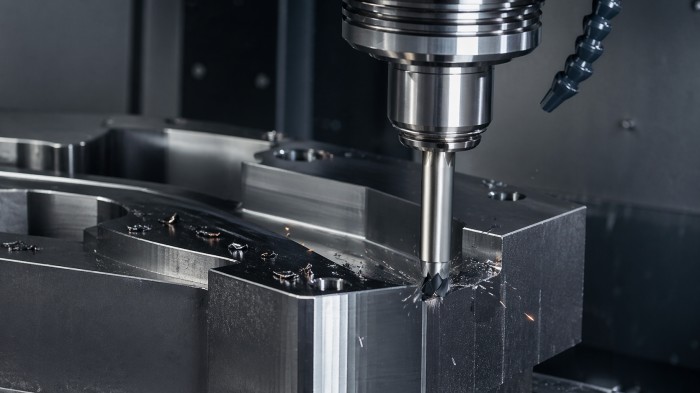
Why CBN End Mills Sometimes Fail Earlier Than Expected
CBN is usually selected because users expect better wear resistance in high-hardness materials. But better wear resistance does not mean the tool will perform well in every situation. A CBN cutter can still fail early if the hardness range is wrong, the cutting path is unstable, or the tool geometry does not match the workpiece.
This is also why the decision between CBN and carbide should not be treated as a simple upgrade. In some jobs, carbide is still the more practical and forgiving option.
Common Signs of Chipping and Fast Wear
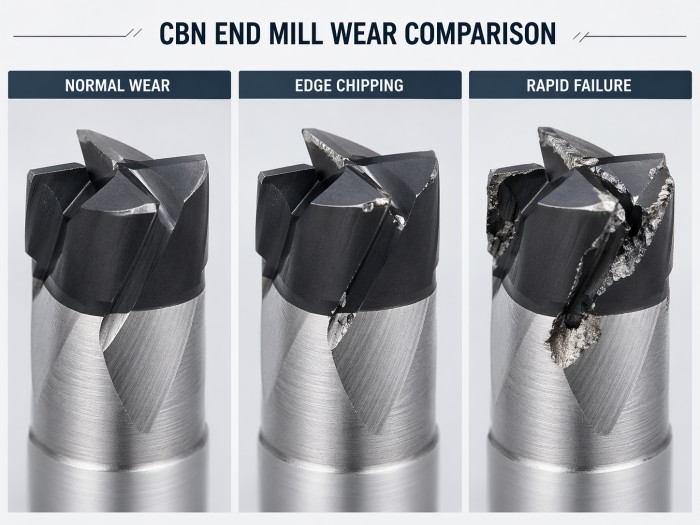
Early failure does not always look the same. Sometimes the first sign is corner chipping. In other cases, the cutting edge wears faster than expected, surface finish becomes unstable, or dimensional consistency begins to drift before the tool has completed a normal production cycle.
| Visible Problem | Likely Cause | Practical Direction |
|---|
| Corner chipping | Weak edge support, interrupted engagement, unstable setup | Review cutter geometry, reduce shock loading, improve rigidity |
| Fast flank wear | Hardness too high for the setup, excessive heat, unstable wear conditions | Check hardness suitability, cutting parameters, and engagement stability |
| Surface finish becomes inconsistent | Edge wear, runout, poor path stability | Inspect wear pattern, reduce runout, stabilize cutting path |
| Short tool life from the start | Wrong application choice, unsuitable hardness range, poor setup | Re-check whether CBN is appropriate for the job at all |
Workpiece Hardness and Material Condition Are Often the First Causes
One of the first things to check is whether the workpiece hardness is actually within a range that makes practical sense for CBN. When hardness is too low, users may not gain enough benefit from CBN to justify the tool choice. When hardness is high but the setup is not stable enough, the cutter may still chip or wear unpredictably.
This is exactly why the question of what hardness range is suitable for a CBN end mill matters so much. The material may be hard enough in theory, but not every hard part automatically creates the right cutting environment for stable CBN performance.
Cutter Geometry Can Help or Hurt Edge Stability
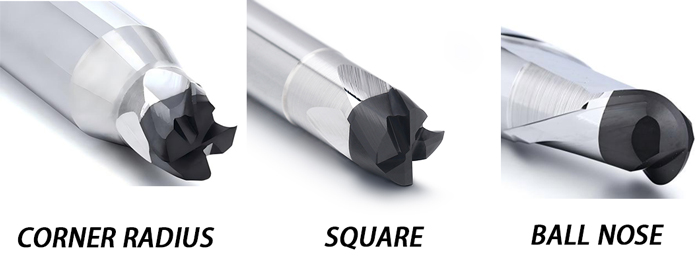
After hardness, cutter geometry is often the next major reason behind fast wear or chipping. A square CBN end mill, a ball nose CBN end mill, and a corner radius CBN end mill do not behave the same way under load. The wrong cutter shape can concentrate stress where the edge is least able to handle it.
This is especially important in hardened steel finishing, where the difference between square, ball nose, and corner radius CBN end mills becomes a practical issue rather than only a catalog distinction.
Interrupted Cutting and Unstable Engagement Often Cause Chipping
CBN usually performs best when the cutting load stays controlled and predictable. Interrupted engagement, sudden load changes, poor entry conditions, or unstable toolpaths can all increase the risk of edge chipping. The problem may appear even faster when the workpiece already has scale, inconsistent material condition, or challenging geometry.
In other words, some failures that look like “tool material problems” are really engagement problems. Once the cutting path becomes more stable, edge life often improves noticeably.
Runout, Overhang, and Weak Clamping Can Shorten Tool Life Quickly
A CBN end mill is much less forgiving of poor setup than many general-purpose tools. Excessive runout, unnecessary overhang, or weak clamping can make one part of the edge take more load than the rest. Once wear becomes uneven, chipping risk rises quickly and tool life becomes much less predictable.
This is one reason why CBN often shows its best value in more stable finishing work. In demanding hardened steel machining, the same cutter may behave very differently depending on setup quality alone.
How to Extend Tool Life in Hardened and Quenched Steel
Tool life usually improves when several decisions are corrected together rather than one by one. In many cases, the best results come from matching the cutter to the hardness range, using a geometry that fits the part shape, stabilizing tool engagement, and reducing uneven load from runout or weak clamping.
• Use CBN only where the workpiece hardness and process actually justify it.
• Match square, ball nose, or corner radius geometry to the part geometry and machining stage.
• Reduce runout, overhang, and weak clamping wherever possible.
• Keep engagement stable and avoid sudden shock loading when possible.
• Replace the tool at a predictable wear stage instead of forcing extra life after edge stability is already lost.
For users working specifically with heat-treated materials, a dedicated end mill for quenched steel range usually makes that comparison easier because the selection is already narrowed to more relevant tool types.
Sometimes the Real Solution Is Not to Use CBN at All
In some jobs, premature wear is a sign that CBN was never the most practical choice in the first place. If the hardness is still too low, the process is too general-purpose, or the setup is not rigid enough to support stable CBN cutting, carbide may still be the better answer.
That decision becomes clearer when the job is viewed through the lens of when a CBN end mill should be used instead of carbide, rather than assuming CBN is automatically the better material in every difficult-looking application.
Conclusion
CBN end mills usually chip or wear quickly because the application, cutter geometry, setup, or engagement condition is not well matched to the job. The problem is rarely solved by one parameter change alone. In most cases, stable tool life comes from choosing the right hardness range, the right cutter type, and a more controlled cutting environment.
When those factors are aligned, CBN can provide very strong wear resistance and finishing stability in hardened steel machining. When they are not, even a high-quality cutter can fail much earlier than expected.
A complete CBN milling solution for quenched steel often makes the difference easier to judge, especially when the workpiece is already in a clearly hardened range.
FAQ
Why do CBN end mills chip so quickly?
The most common reasons are unsuitable hardness range, wrong cutter geometry, interrupted cutting, excessive runout, weak clamping, and unstable engagement during machining.
Why does a CBN end mill wear faster than expected?
Fast wear usually comes from a mismatch between the tool and the real machining condition. Hardness, setup stability, geometry choice, and cutting path all affect how quickly the edge degrades.
Can wrong hardness range cause CBN failure?
Yes. If the workpiece hardness does not match the practical range where CBN performs best, the expected wear and performance advantage may not appear.
Does cutter geometry affect CBN tool life?
Yes. Square, ball nose, and corner radius CBN end mills distribute load differently, so geometry has a direct effect on edge stability and wear behavior.
Is CBN always better than carbide for hard machining?
No. In some jobs, carbide is still the more practical choice, especially when hardness, setup, and process conditions do not yet justify switching to CBN.
Looking for the Right CBN End Mill?
Explore our End Mill for Quenched Steel range to compare CBN solutions for hardened and heat-treated materials.
Contact us for product recommendations and custom tool solutions.