+86 18068787495
[email protected]
English
The P, M, K, N, S, and H classification system provides an important reference for understanding different machining material groups. This guide explains the meaning of each category in carbide insert applications and how material characteristics influence the selection of suitable cutting tools for CNC machining.
Since the development of powder metallurgy technology, considerable progress has been made. The hardness of the products obtained through this technology is even not far from that of diamond, the hardest material in the world.
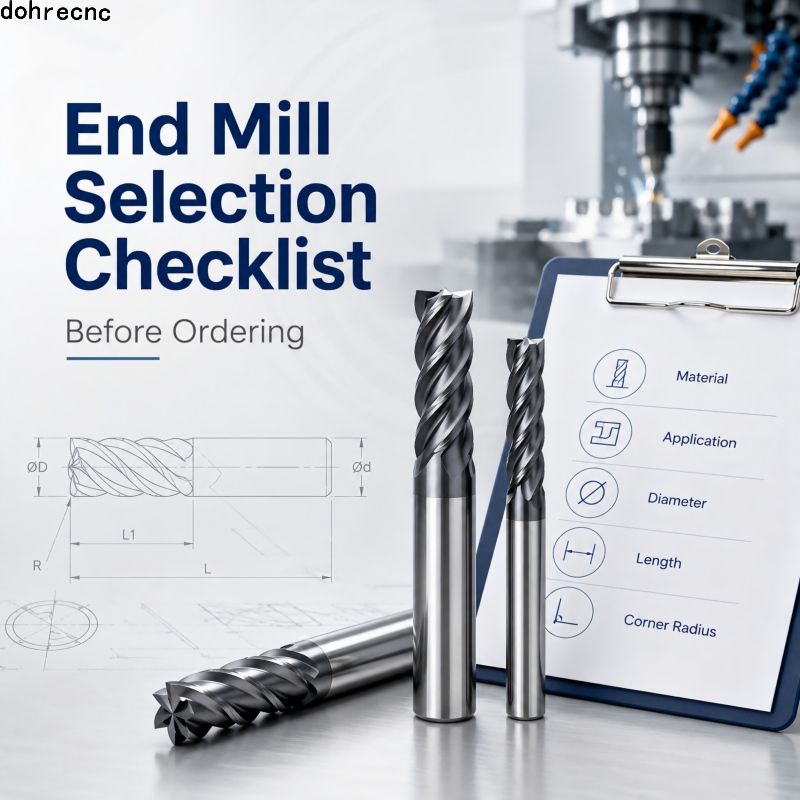
Ordering the correct end mill requires more information than a cutter diameter and flute number. Workpiece grade, hardness, machining operation, feature dimensions, cutting depth, tool reach, machine conditions, coolant method, required quantity, and customization requirements can all affect the final tool specification. This practical checklist explains the information CNC machining companies, distributors, purchasing teams, and engineers should confirm before requesting an end mill recommendation, sample, quotation, or custom tool design.
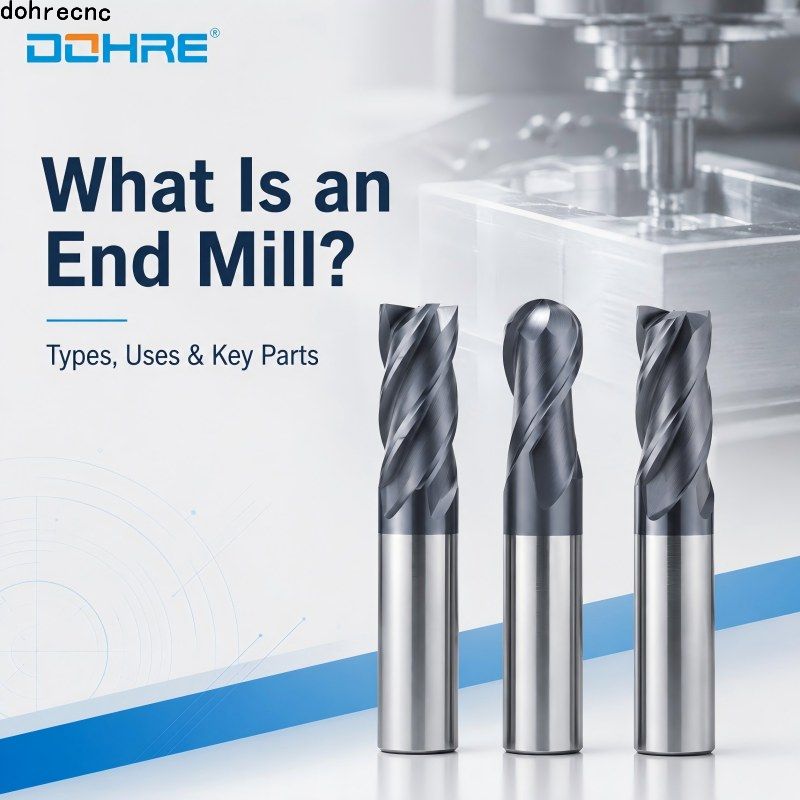
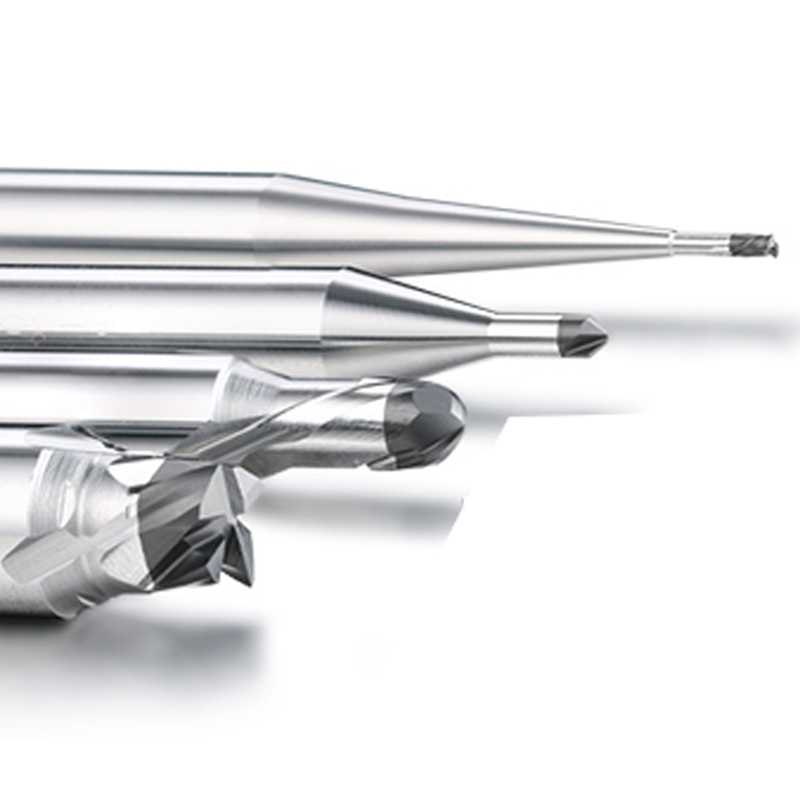
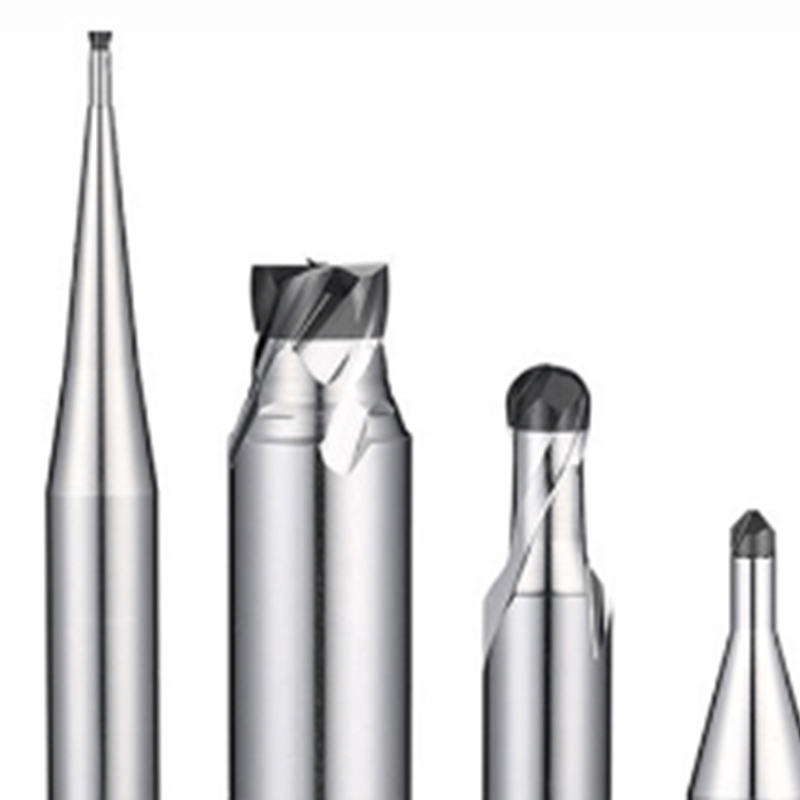
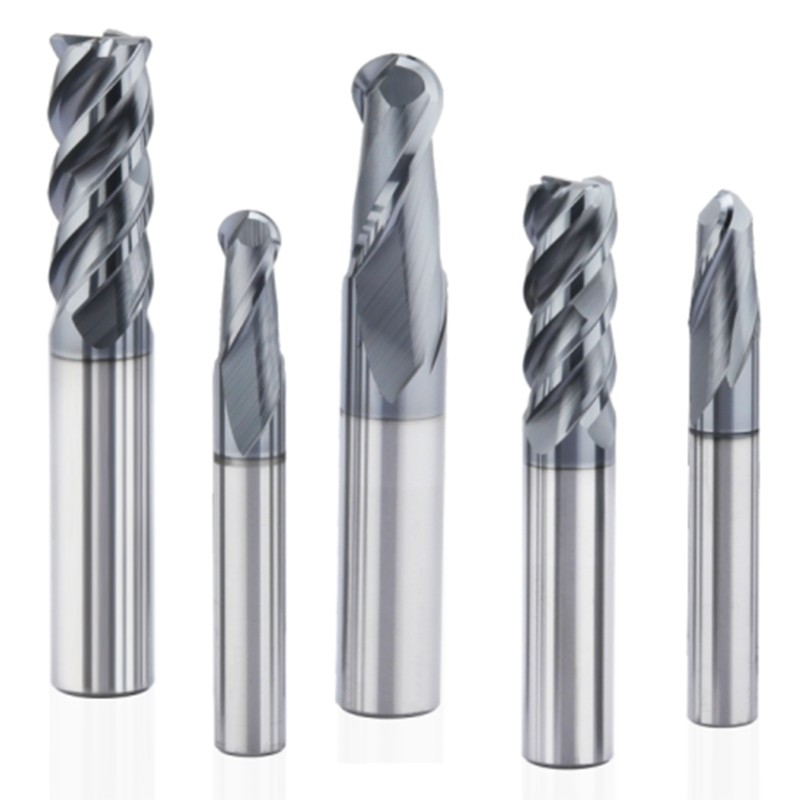
End mills are available in different cutting geometries because flat surfaces, curved profiles, deep cavities, narrow slots, shoulders, and high-material-removal operations require different tool designs. Square, ball nose, corner radius, roughing, long-neck, micro-diameter, and special-profile end mills each produce a different machining result. This guide compares the most common types of end mills used in CNC machining, explains the features each cutter is designed to produce, and shows where each tool type is normally selected.
Choosing the right carbide insert requires more than matching an insert to a toolholder. Machining operation, workpiece material, insert geometry, carbide grade, nose radius, cutting conditions, and surface finish requirements all influence insert performance. This guide explains the main factors to consider when selecting carbide inserts for turning, milling, and other indexable machining applications.
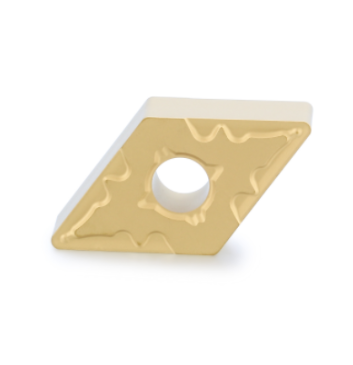
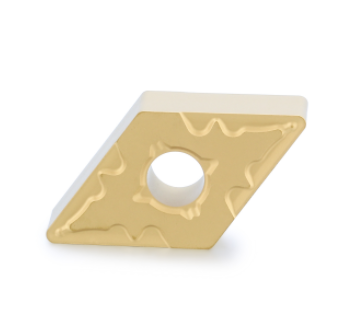
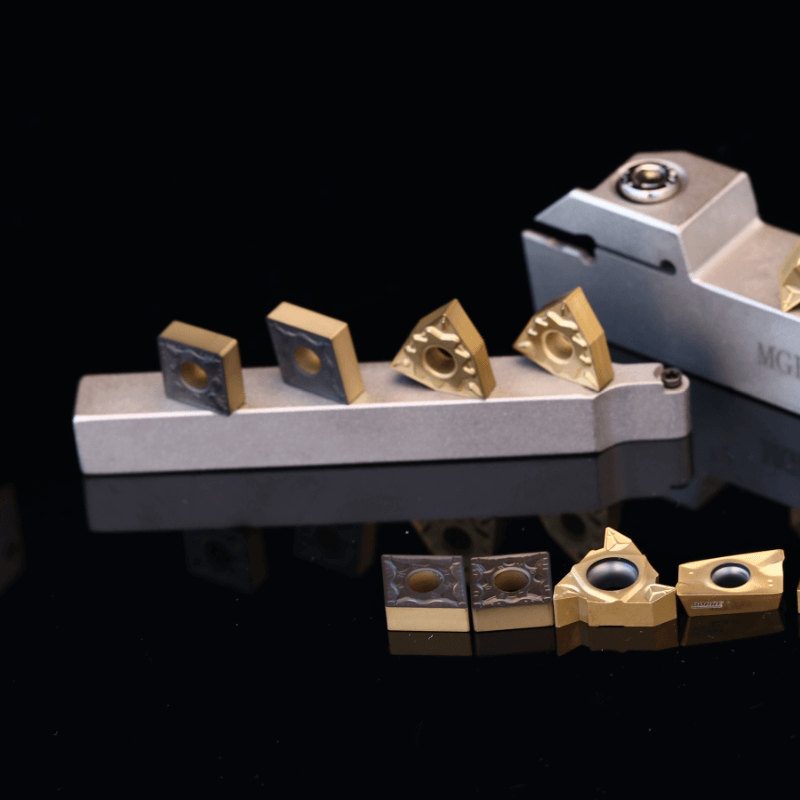
Carbide inserts are replaceable and usually indexable bits of cemented carbide used in machining steels, cast iron, high temperature alloys, and nonferrous materials. Carbide inserts allow faster machining and leave better finishes on metal parts. Carbide inserts can withstand higher temperatures than high speed steel tools.
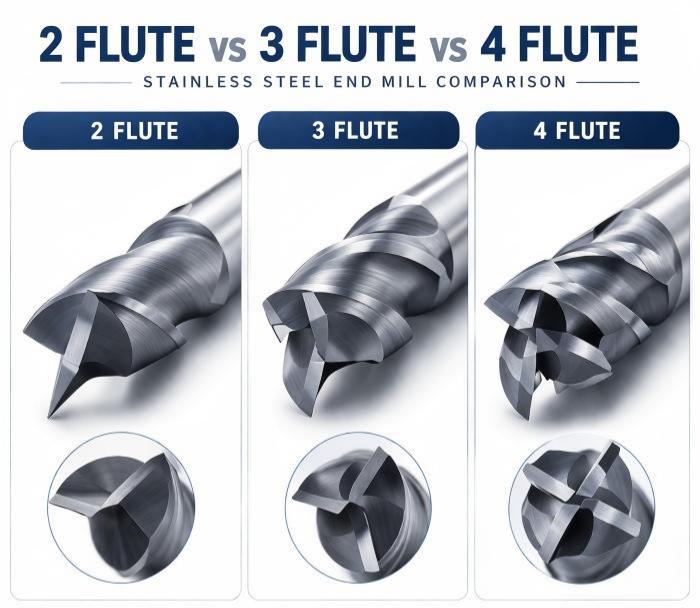
Flute count has a direct effect on chip evacuation, rigidity, surface finish, and cutting stability in stainless steel machining. This guide explains how to choose 2, 3, or 4 flutes for a stainless steel end mill and what to consider for slotting, roughing, finishing, and overall tool selection.
A CBN end mill is widely used in high-hardness machining because of its excellent wear resistance, cutting stability, and ability to maintain accuracy in demanding materials. This guide explains what a CBN end mill is, what materials it is suitable for, and how it compares with other cutting tool options.
Pre-hardened mold steel can often be machined without additional hardening after the main cutting process, but it still places higher demands on the end mill than ordinary carbon steel. The right cutter should be selected according to the actual hardness, mold feature, machining stage, tool rigidity, and required surface finish.
CBN end mills are widely used in hardened steel machining when high accuracy, wear resistance, and stable cutting performance are required. This guide explains why CBN is suitable for hardened steel applications and how to choose the right tool to improve accuracy and tool life.
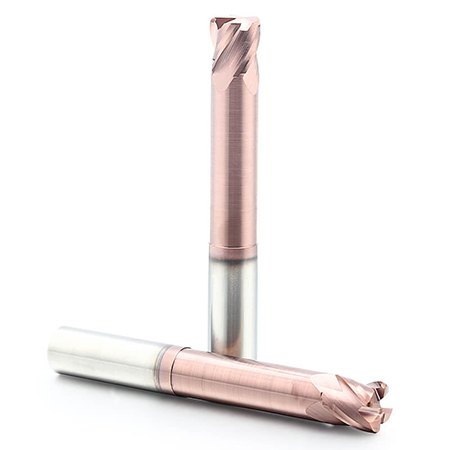
Choosing the right stainless steel end mill is important for improving cutting stability, controlling heat, and achieving better surface finish in demanding machining conditions. This guide explains the common types of stainless steel end mills, their applications, and how to select the right cutter for different CNC operations.
Contact Us
*We respect your privacy. When you submit your contact information, we agree to only contact you in accordance with our Privacy Policy.
By continuing to use the site you agree to our privacy policy Terms and Conditions.