+86 18068787495
[email protected]
English
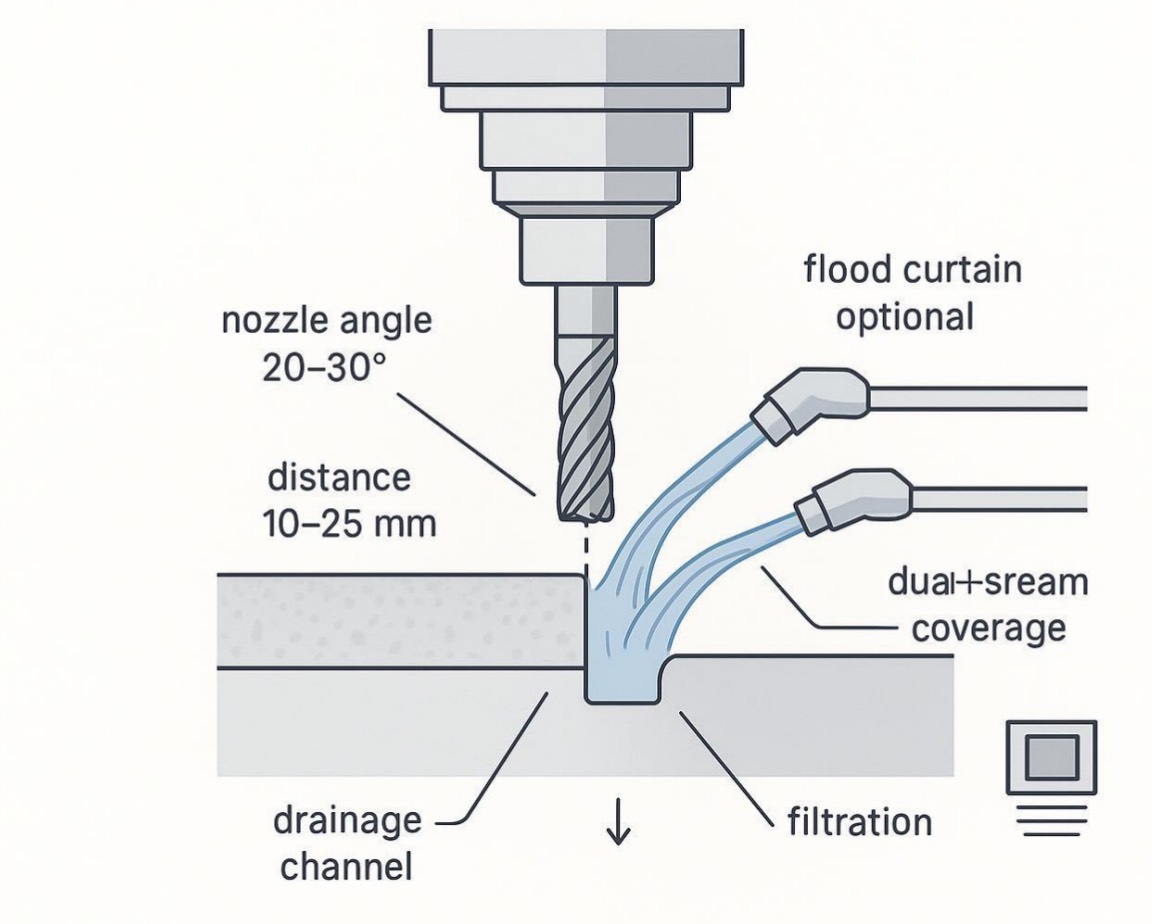
Carbide end mills can be used in stone machining when forced wet cutting, tight runout control, and conservative toolpaths are properly applied. This article explains practical setup, coolant delivery, CAM strategy, and trial methods for improving edge quality, tool life, and machining stability.
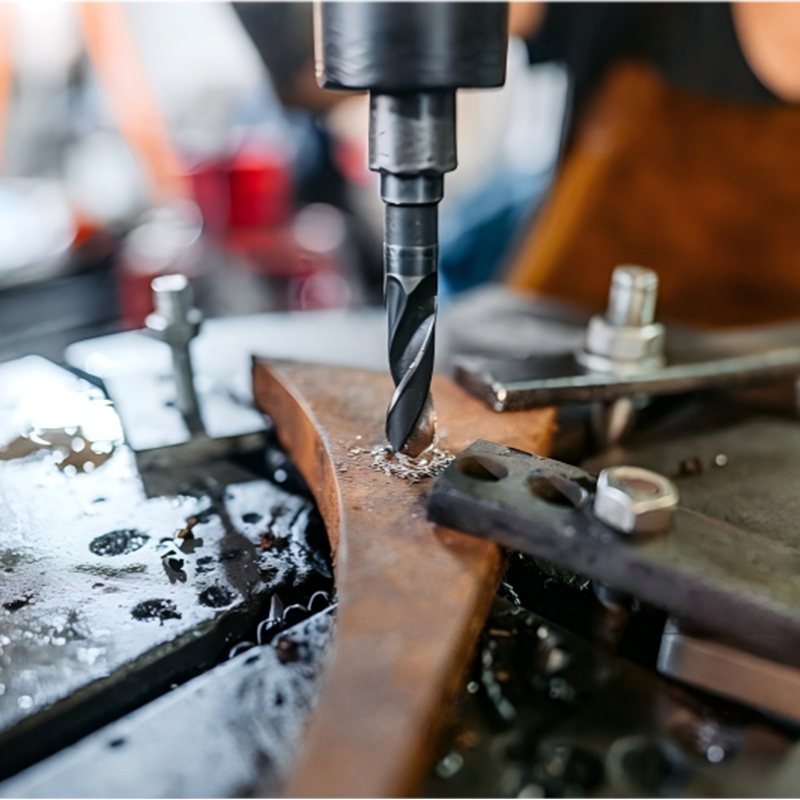
Tungsten carbide drill bits are widely used for precision drilling because they offer high hardness, wear resistance, stable geometry, and long tool life. This article explains how carbide material, CNC grinding, coating, and quality inspection improve drilling performance in demanding machining applications.
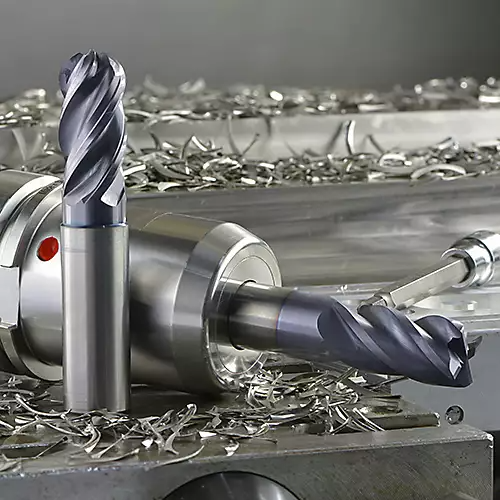
Solid carbide end mills are ideal for high-speed CNC machining because they offer excellent hardness, rigidity, heat resistance, and cutting stability. This article explains why they perform better than HSS tools and how they improve machining efficiency and surface quality in demanding applications.
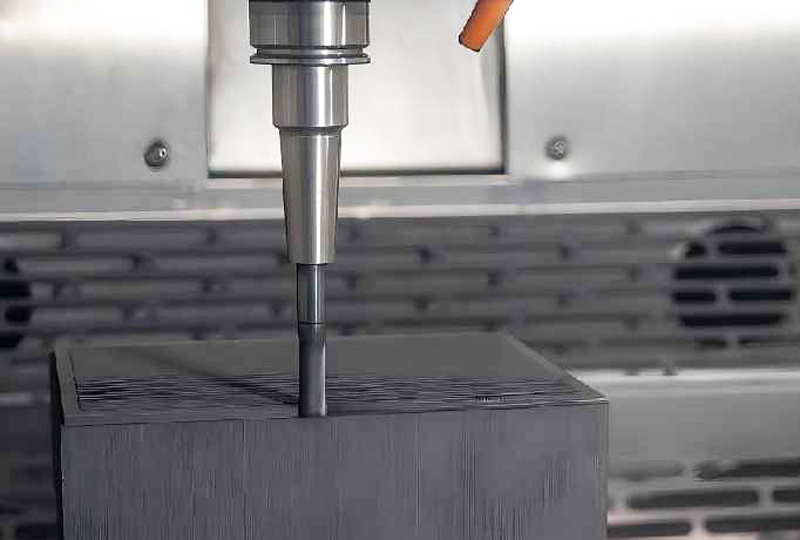
Diamond-coated end mills are widely used for graphite machining because they offer excellent wear resistance, heat resistance, and long tool life under abrasive cutting conditions. This article explains why CVD diamond-coated end mills are more suitable for graphite electrodes, graphite molds, and other precision graphite applications than standard carbide tools.
2 flute and 4 flute end mills are both widely used in metalworking, but they suit different materials and machining tasks. This article explains how flute count affects chip evacuation, rigidity, surface finish, and cutting performance, and helps users choose the right end mill for aluminum, steel, stainless steel, titanium, roughing, and finishing applications.
Meet DOHRE at Jakarta International Expo 2025 and discover high-performance cutting tools, practical machining solutions, and custom tooling support at Booth C-6302.
Stainless steel is difficult to machine because of high cutting resistance, poor heat dissipation, and work hardening. This article explains which end mill types are suitable for stainless steel machining, and how carbide substrate, flute design, and heat-resistant coatings help improve tool life, chip evacuation, and surface finish.
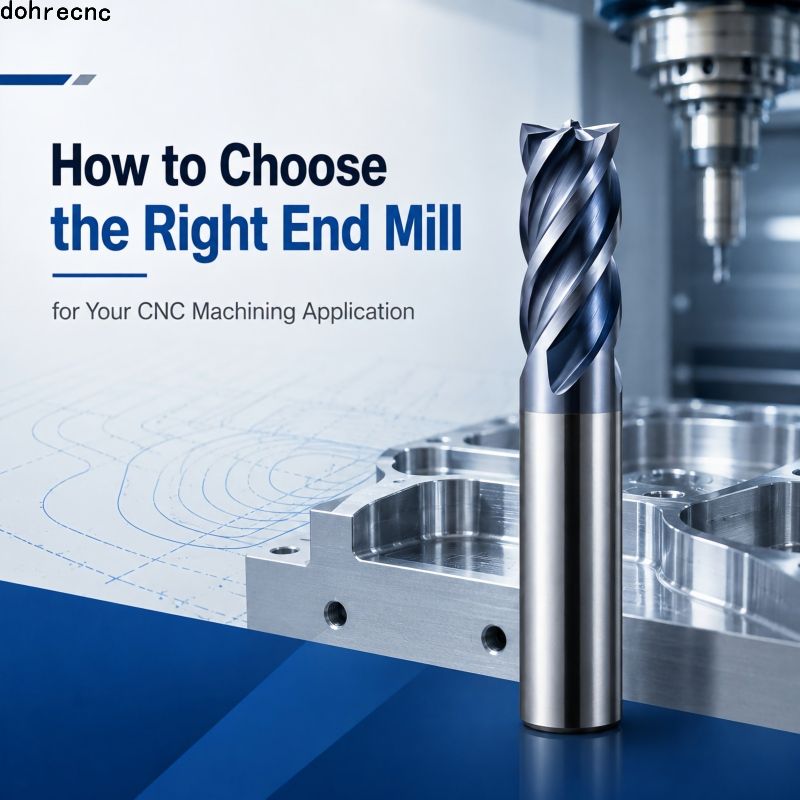
Selecting the right end mill requires more than choosing a cutter diameter. Workpiece material, machining feature, cutter geometry, flute count, cutting length, tool reach, carbide grade, coating, machine rigidity, chip evacuation, and finishing requirements must work together. This guide provides a practical process for matching an end mill to real CNC machining conditions.
Custom end mill solutions for stamping dies boost precision, surface quality, and tool life, solving challenges with complex profiles and hard materials.
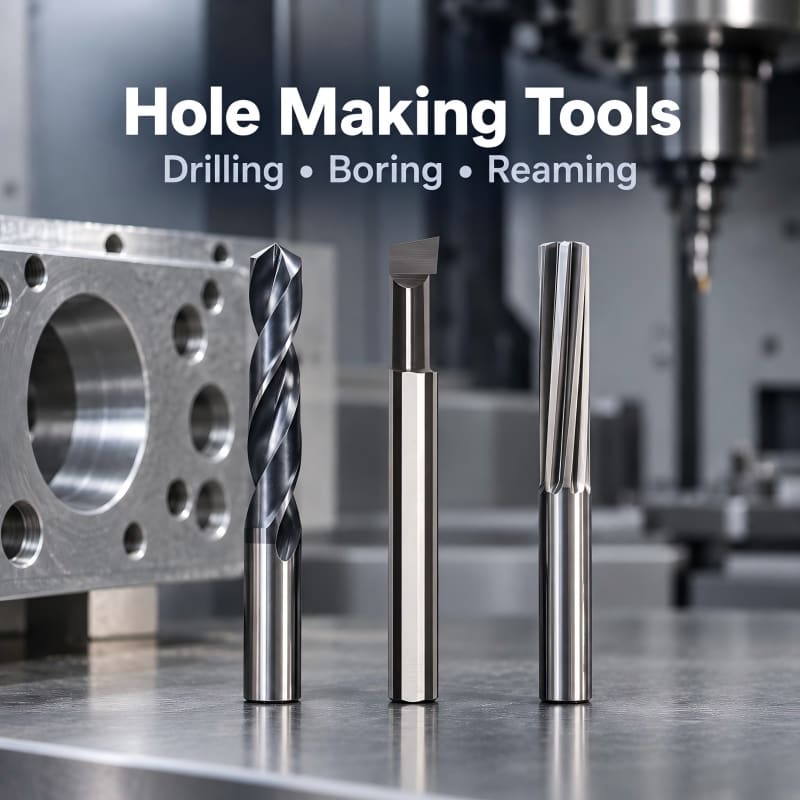
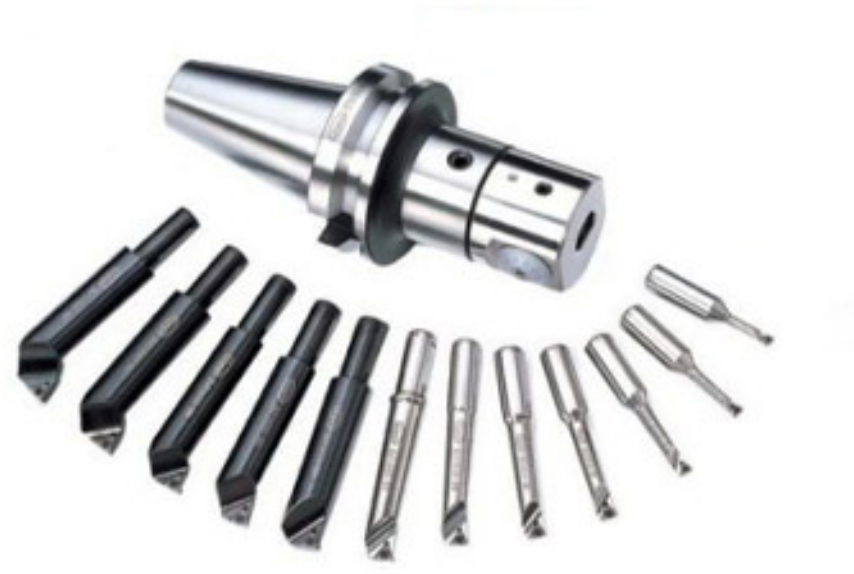
Hole making in CNC machining involves more than simply drilling a hole. Depending on the required diameter, tolerance, position accuracy, depth, and surface finish, manufacturers may use drilling, boring, or reaming as separate or combined machining processes. This guide explains the differences between these hole making tools and how to select the appropriate process for precision metalworking applications.
Drill bits and drilling are majorly related to hole-making products. They provide fast and economical means of producing a machined hole. The working principle of drill bits is by entering the material axially. It then cut a blind hole with a diameter that is equal to the diameter of the tool.
Stainless steel is harder on end mills because it creates higher cutting resistance, more heat, and faster wear than many easier-to-machine materials. This guide explains how to extend end mill life in stainless steel machining through better tool geometry, coating selection, parameter control, and more stable cutting conditions
Contact Us
*We respect your privacy. When you submit your contact information, we agree to only contact you in accordance with our Privacy Policy.
By continuing to use the site you agree to our privacy policy Terms and Conditions.