How to Improve End Mill Tool Life in Titanium Alloy Milling
Introduction
Titanium alloy milling often puts heavy stress on the cutting edge because heat, chip flow, and cutting stability are difficult to control at the same time. To improve end mill tool life, the focus should not be only on the cutter itself, but also on coating suitability, flute design, tool geometry, setup rigidity, and stable machining conditions.
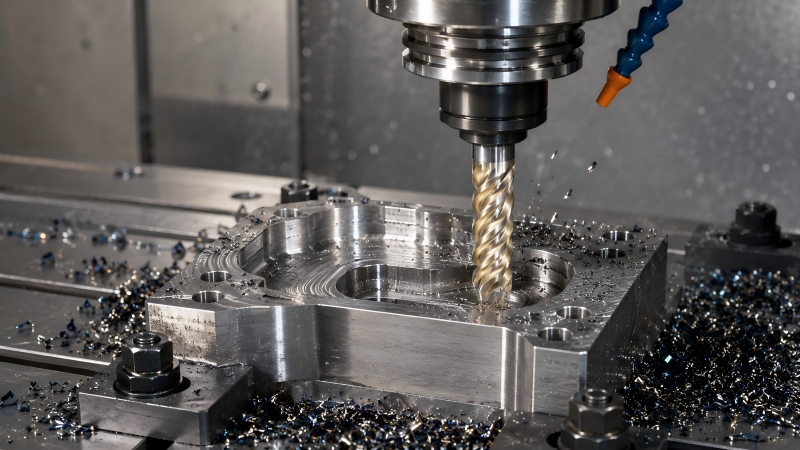
Titanium alloy milling can shorten end mill life quickly when heat, chip evacuation, cutter geometry, and cutting stability are not well controlled. This guide explains how to improve tool life in titanium alloy machining by reducing heat buildup, improving chip flow, choosing suitable cutter geometry, and maintaining a stable cutting setup.
In titanium alloy machining, tool life is rarely decided by one factor alone. A cutter may wear quickly because heat stays near the cutting edge, chips do not evacuate smoothly, the tool geometry does not match the machining path, or the setup creates vibration and uneven edge loading. Improving tool life means looking at the entire cutting system, not only the end mill itself.
Why End Mills Wear Quickly in Titanium Alloy
Titanium alloy is difficult to machine because it tends to keep cutting heat close to the tool edge. When heat cannot leave the cutting zone efficiently, the cutting edge is exposed to higher temperature for a longer time. This can accelerate coating wear, reduce edge stability, and increase the risk of chipping or built-up edge.
Poor chip evacuation can make the problem worse. If chips remain near the cutter, they increase friction and carry heat back into the cutting area. Over time, this creates unstable cutting conditions and makes tool wear less predictable.
The material behavior behind these problems is closely related to why titanium alloy is difficult to machine, especially when heat buildup, chip control, and edge wear appear together in the same process.
Main Factors That Affect Tool Life in Titanium Milling
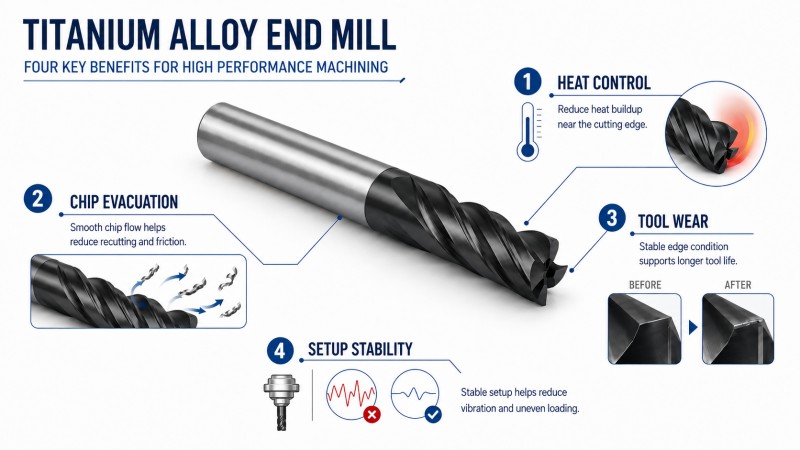
| Factor | How It Affects Tool Life | What to Improve |
|---|
| Cutting heat | High temperature accelerates edge wear and coating degradation | Improve heat resistance and keep cutting conditions stable |
| Chip evacuation | Poor chip flow keeps heat and friction near the cutting edge | Use suitable flute geometry and enough chip space |
| Cutter geometry | Wrong geometry can create uneven edge loading and chipping | Match the cutter type to the part feature and machining stage |
| Setup stability | Runout, vibration, and weak clamping shorten tool life | Reduce overhang, improve clamping, and maintain stable engagement |
Control Heat Before It Damages the Cutting Edge
Heat control is one of the most important factors in titanium milling. When the cutting edge remains under high temperature for too long, wear develops faster and the tool may lose sharpness earlier than expected. Once the edge becomes dull, cutting resistance rises, which creates even more heat and further shortens tool life.
A heat-resistant coating can help, but coating alone cannot solve every problem. Speed, feed, engagement, chip evacuation, and coolant strategy also influence how much heat stays near the cutter. In titanium alloy machining, these factors need to work together rather than being adjusted separately.
Improve Chip Evacuation to Reduce Friction and Recutting
Chip evacuation has a direct effect on tool life. When chips leave the cutting zone smoothly, heat and friction are easier to control. When chips remain near the cutting edge, they can be recut, rub against the tool, and damage the finished surface.
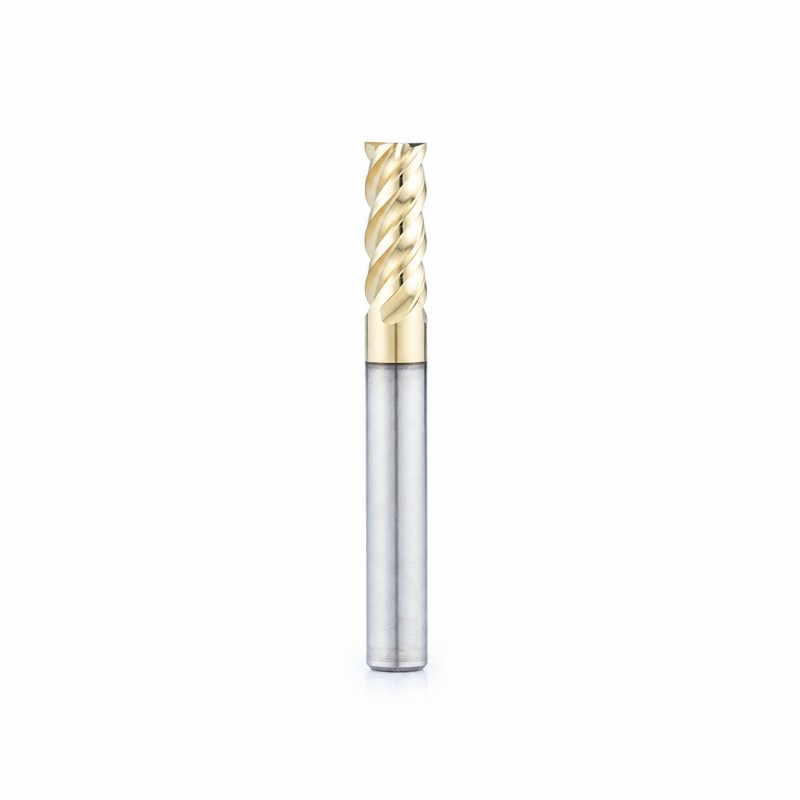
For titanium alloy, flute design and chip space should support stable chip removal throughout the toolpath. This becomes especially important in deeper cuts, pocketing, side milling, and any operation where chips have less room to escape.
A tool design with smoother chip flow can help reduce heat accumulation, but the cutting path still matters. If the tool is forced into unstable engagement or excessive chip load, even a suitable flute design may not prevent early wear.
Choose Cutter Geometry Based on the Machining Task
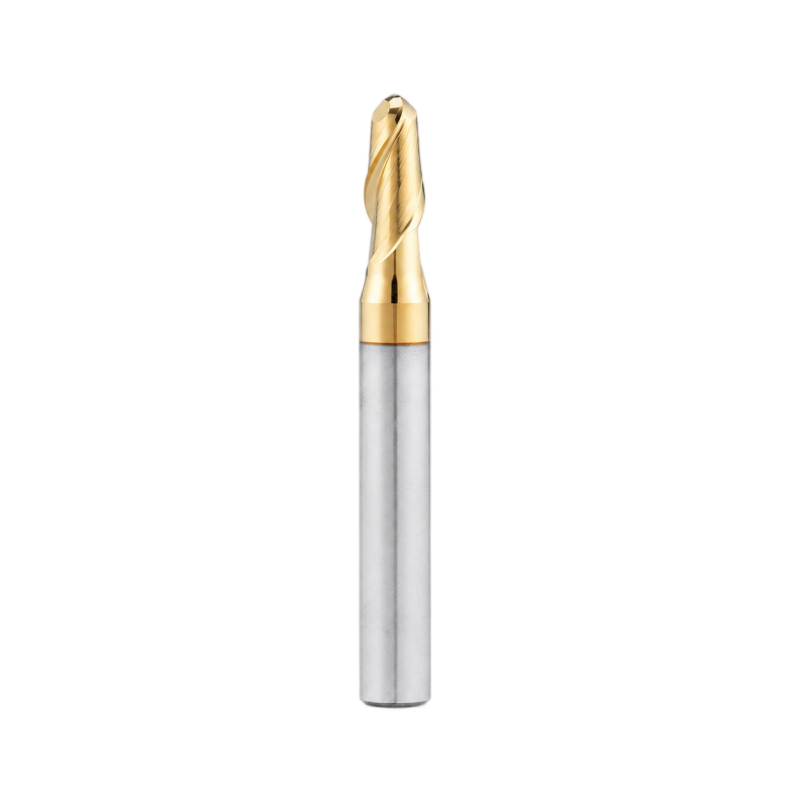
Cutter geometry affects how the cutting load is distributed. A flat end mill, ball nose end mill, and corner radius end mill do not contact the workpiece in the same way. Choosing the wrong geometry can increase stress on the cutting edge and reduce tool life.
For flat surfaces, straight walls, and defined profiles, a flat end mill may be more suitable. For contours, curved surfaces, and cavity finishing, a ball nose end mill often matches the part shape better. For stronger corner support and more stable finishing, a corner radius end mill can be a practical choice.
The relationship between cutter shape and application is covered more directly in our comparison of flat end mills, ball nose end mills, and corner radius end mills for titanium alloy.
How Different Cutter Types Affect Tool Life
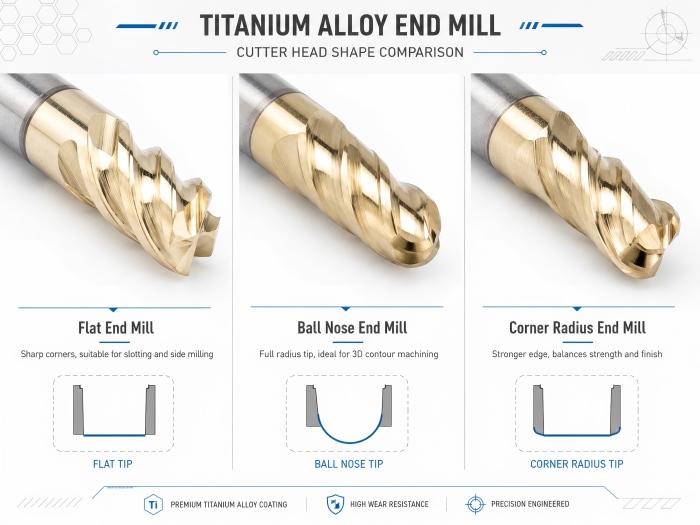
| Cutter Type | Tool Life Advantage | Typical Application |
|---|
| Flat End Mill | Efficient cutting on defined surfaces when setup is stable | Side milling, flat surfaces, shoulder milling |
| Ball Nose End Mill | Better contact control on curved surfaces and contour paths | 3D contours, cavities, curved finishing |
| Corner Radius End Mill | Stronger corner support and reduced stress concentration | Semi-finishing, finishing, sidewall work |
Use a Coating Suitable for Heat and Adhesion
Coating selection matters because titanium alloy can create high-temperature and adhesive cutting conditions. A suitable coating should help maintain hardness under heat, reduce wear, and support more stable cutting when the workpiece material tends to stick near the cutting edge.
However, coating should not be treated as the only solution. A coated tool can still wear quickly if chip evacuation is poor, the toolpath is unstable, or the cutter geometry does not match the part. In practice, coating works best when it is combined with suitable flute design, sharp edge control, and stable machining conditions.
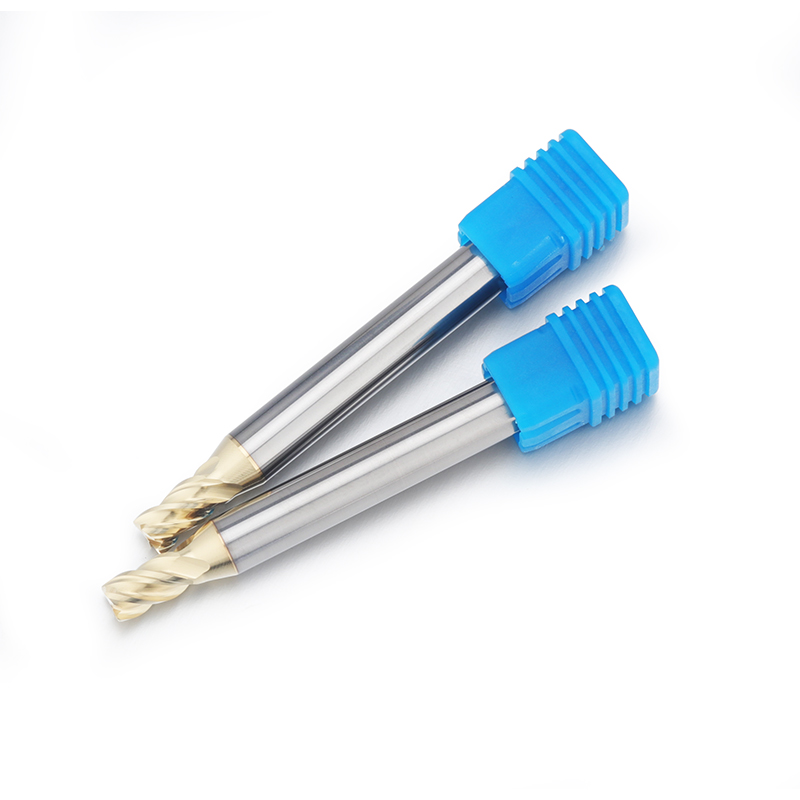
For example, titanium alloy end mills are often designed with heat-resistant coatings and flute geometry that supports smoother chip evacuation. This type of design direction is more useful than relying on coating alone.
Keep the Setup Stable and Reduce Uneven Edge Loading
A stable setup is essential for longer tool life in titanium milling. Excessive runout, long tool overhang, weak clamping, or vibration can make one cutting edge carry more load than the others. Once wear becomes uneven, the tool may chip or fail much earlier than expected.
Reducing overhang, using rigid toolholding, checking runout, and keeping engagement consistent can all help the tool wear more evenly. These setup improvements may not look as obvious as changing the cutter, but they often have a strong effect on tool life.
Avoid Sudden Cutting Load Changes
Titanium alloy is not very forgiving when cutting load changes suddenly. Abrupt entry, unstable engagement, excessive radial depth, or interrupted cutting can increase shock on the cutting edge. This may lead to chipping, faster wear, or unstable surface finish.
A smoother toolpath usually supports longer tool life. Stable engagement allows the cutter to work under more predictable conditions, which helps reduce heat spikes and uneven edge stress.
Watch for Early Signs of Tool Life Problems
Tool life problems often appear before complete tool failure. In titanium alloy milling, early signs may include unstable surface finish, abnormal cutting sound, increased burrs, edge discoloration, or small chipping on the cutting edge.
•Surface finish becomes inconsistent during the same operation.
•Chips become darker, thicker, or harder to evacuate smoothly.
•Small edge chipping appears before normal wear is reached.
•Cutting sound becomes unstable, suggesting vibration or uneven engagement.
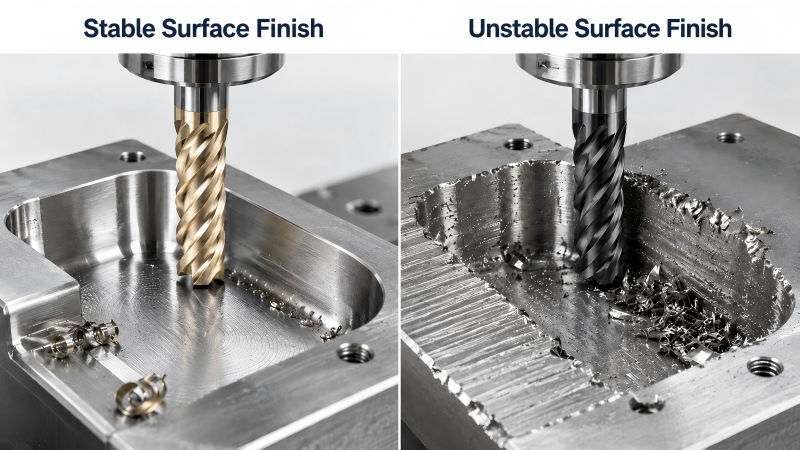
Catching these signs early helps avoid sudden tool failure. In many production environments, replacing a cutter at a predictable wear stage is more valuable than forcing extra life from a tool that has already become unstable.
Practical Checklist to Improve Tool Life
•Use an end mill designed for titanium alloy rather than relying only on a general-purpose cutter.
•Choose a coating that can handle heat and reduce adhesive wear.
•Use flute geometry that supports stable chip evacuation.
•Match flat, ball nose, or corner radius geometry to the actual part feature.
•Reduce runout, overhang, vibration, and unstable tool entry.
•Evaluate tool life by wear stability and surface consistency, not only by whether the tool can still cut.
FAQ
Why do end mills wear quickly in titanium alloy?
End mills wear quickly in titanium alloy because cutting heat stays close to the edge, chip evacuation can become unstable, and the tool must maintain sharpness under demanding cutting conditions.
How can I improve end mill tool life in titanium milling?
Tool life usually improves by controlling heat, improving chip evacuation, selecting suitable cutter geometry, reducing vibration, and keeping the cutting setup stable.
Does coating improve tool life in titanium alloy?
Yes. A suitable coating can improve heat resistance and reduce adhesive wear, but it needs to work together with proper geometry, chip evacuation, and stable machining conditions.
Which cutter geometry is better for longer tool life in titanium alloy?
The best geometry depends on the application. Flat end mills are suitable for defined surfaces, ball nose tools are better for contours, and corner radius tools often provide stronger edge support for stable finishing.
Can a general-purpose end mill be used for titanium alloy?
A general-purpose end mill may work in light cutting conditions, but a dedicated titanium alloy end mill is usually more suitable when tool life, heat control, chip evacuation, and surface quality are important.
Conclusion
A dedicated end mill for titanium alloy range makes it easier to compare flat, ball nose, and corner radius tools for different machining tasks.
Contact us for tool recommendations and custom solutions.