+86 18068787495
[email protected]
English
Learn how to choose a reliable CNC tool manufacturer from China. Audit factories, verify carbide quality, and avoid hidden costs. Contact Dohre today!
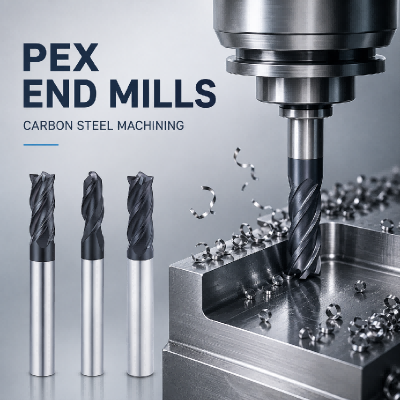
Discover how PEX end mills optimize carbon steel machining. Boost material removal rates, prevent thermal shock, and extend tool life. Contact Dohre today!
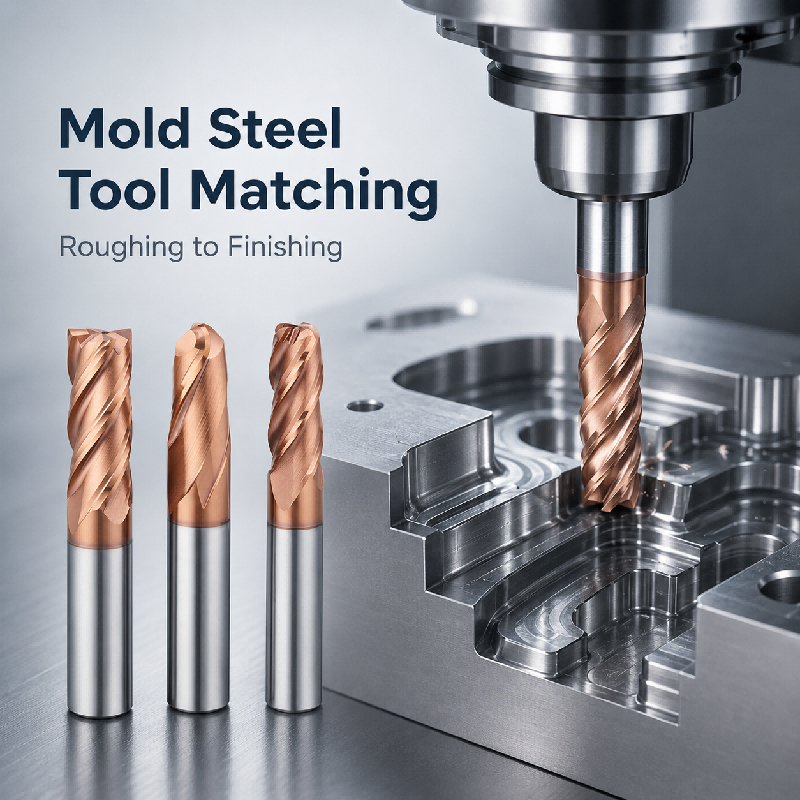
Learn how to select and match milling tools for mold steel roughing and finishing. Discover expert strategies on tool geometry, coatings, and overhang control to prevent tool wear and improve surface finish.
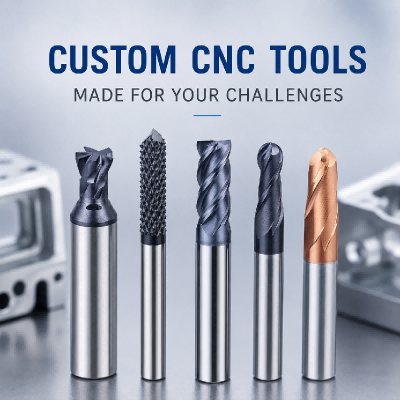
Discover when to choose custom CNC tools over standard catalog items. Learn how tailored geometries, optimized coatings, and specialized designs eliminate manufacturing bottlenecks.
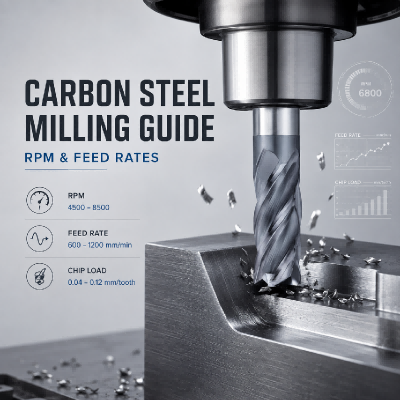
Master carbon steel milling with our technical guide. Learn how to balance RPM, feed rates, chip loads, and advanced tool selections to optimize CNC machining efficiency.
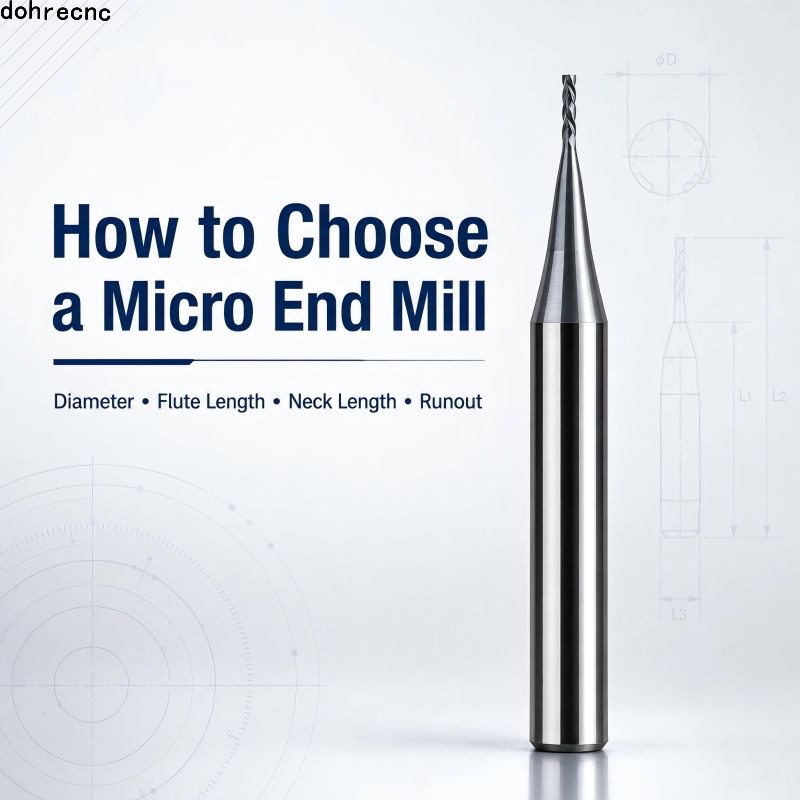
Micro flat end mills are used for narrow slots, small cavities, flat-bottom features, precision shoulders, connector details, and other fine CNC structures where standard-size cutters cannot reach. Choosing the right cutter requires more than matching the diameter to the drawing: flute length, neck clearance, tool overhang, runout, workpiece material, and finishing strategy all affect machining accuracy and tool life.
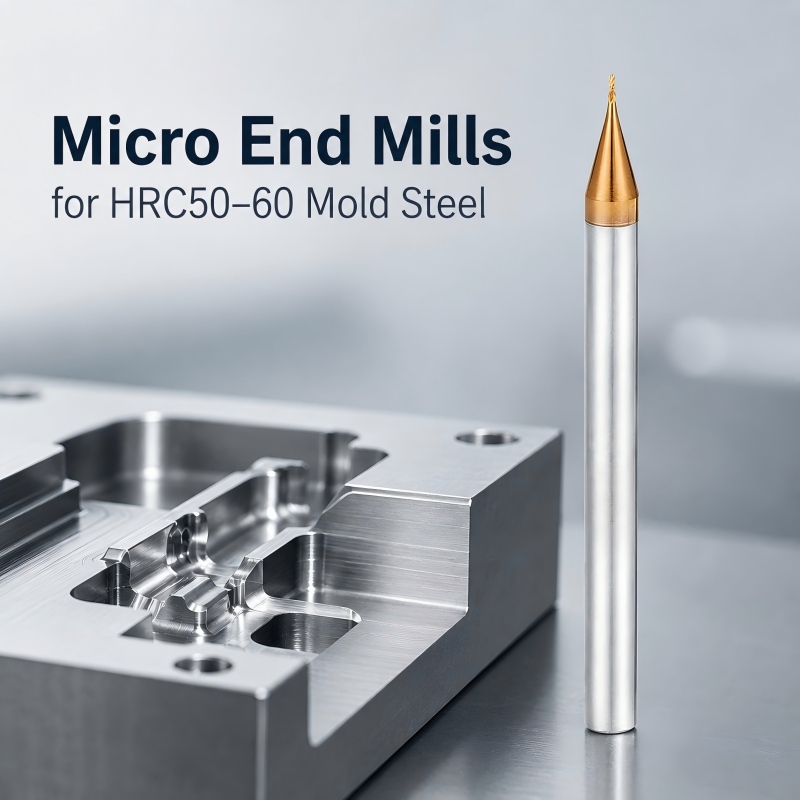
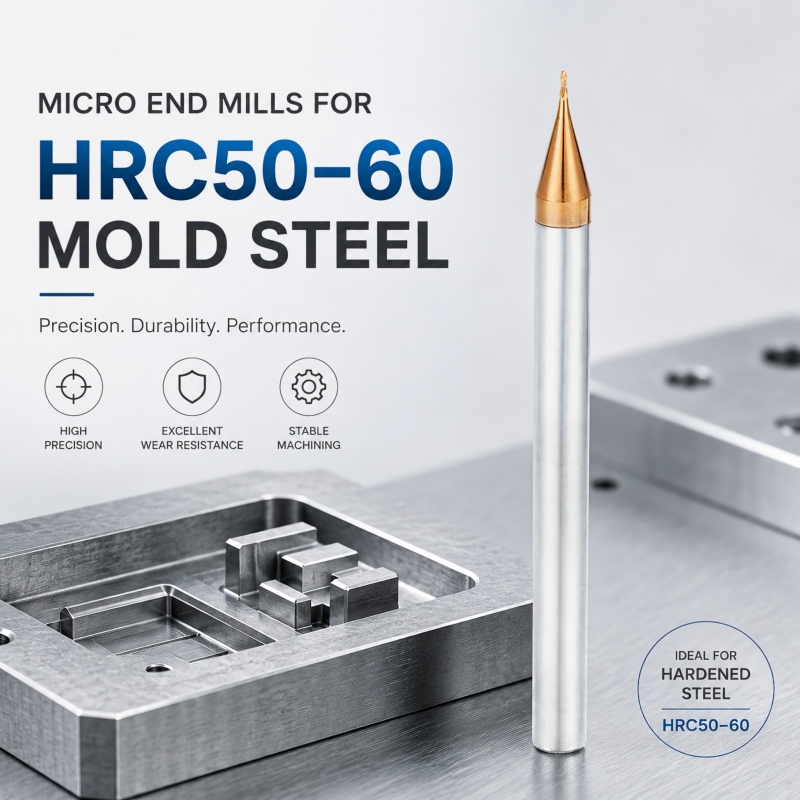
Micro-milling HRC50–60 mold steel requires a careful balance between tool rigidity, cutting-edge strength, wear resistance, chip evacuation, and feature access. This guide explains how to select the cutter diameter, flute count, cutting length, neck structure, coating, and machining strategy for small mold cavities, narrow slots, fine ribs, internal corners, and other precision features.
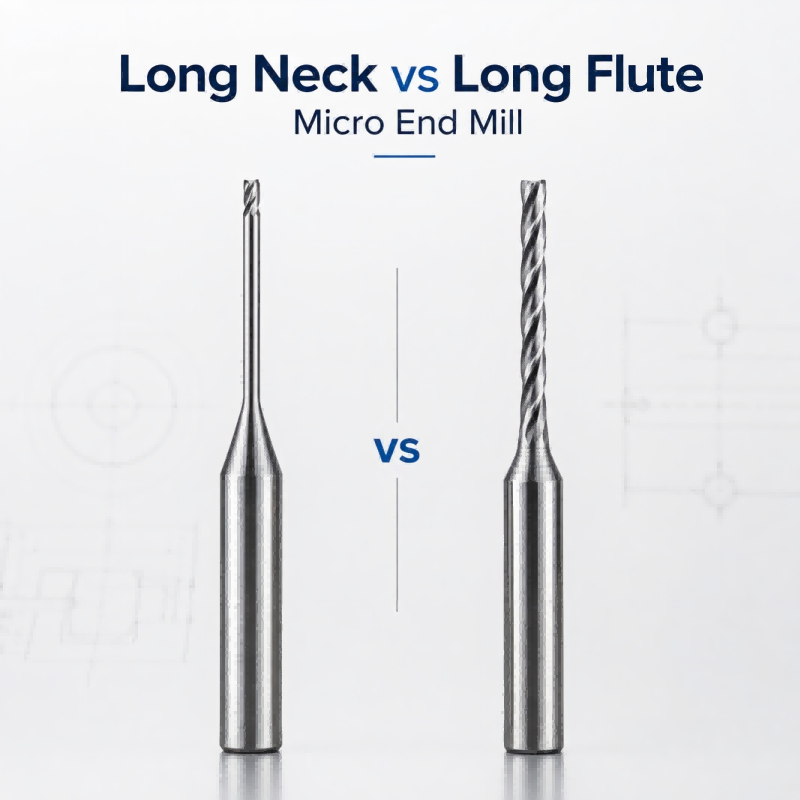
Long-neck and long-flute micro end mills can both reach deep slots, cavities, mold ribs, and restricted features, but they serve different purposes. A long-flute tool provides a longer active cutting edge for machining deep walls, while a long-neck tool uses a reduced-diameter clearance section to reach recessed areas with a shorter cutting edge. This guide explains how to choose between them based on active cutting depth, required clearance, rigidity, chip evacuation, and tool overhang.
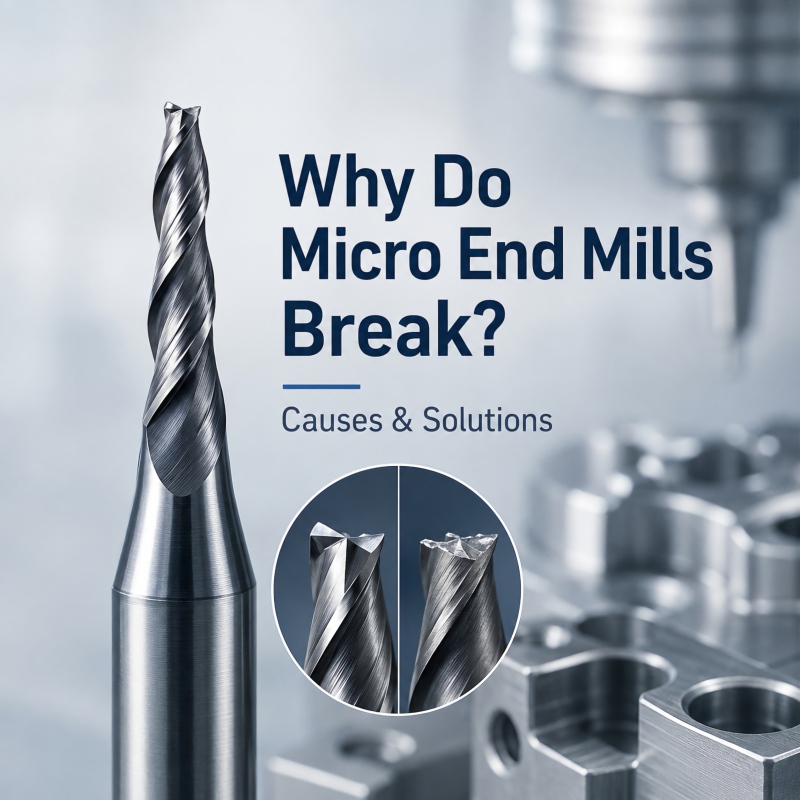
Micro end mills can break because of runout, excessive tool reach, chip congestion, unstable entry, incorrect cutting load, or a cutter that does not match the workpiece material. This guide explains how to identify the actual cause of micro-tool failure and improve machining stability without simply reducing every cutting parameter.
Micro end mills are used for narrow slots, miniature cavities, fine contours, small internal radii, and other restricted CNC features. Choosing the correct tool requires more than matching the cutter diameter to the drawing. Flute length, neck clearance, holder overhang, runout, chip evacuation, and workpiece material must also be considered together.
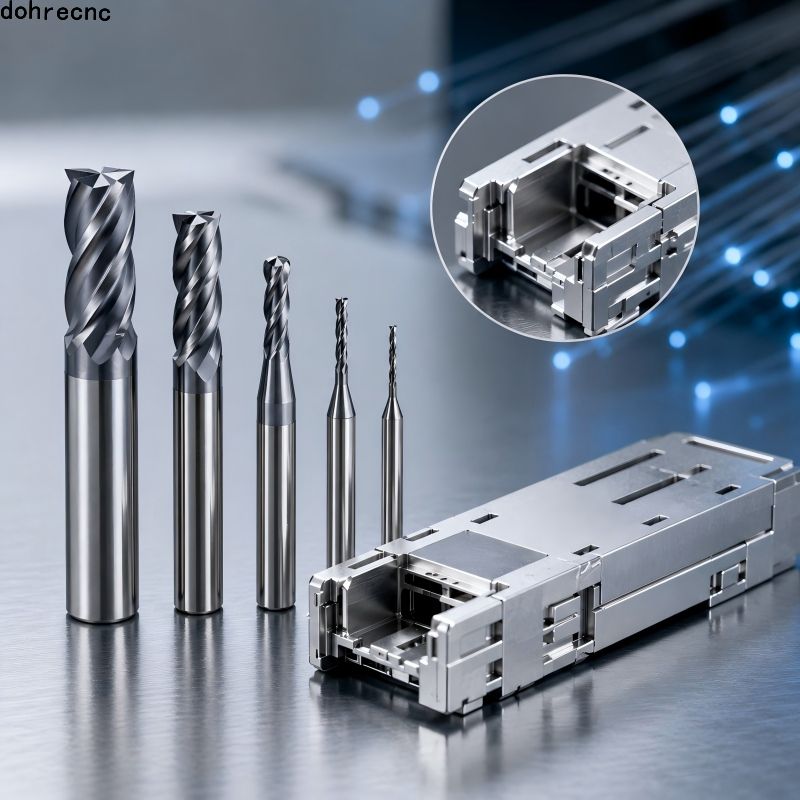
Optical transceiver housings combine small slots, precision cavities, connector openings, thin walls, positioning features, and thermal contact surfaces within a compact component. Selecting the right end mill requires matching the cutter material, geometry, diameter, flute count, cutting length, coating, and reach to the actual workpiece and machining operation.
Burrs around narrow slots, connector openings, thin edges, and precision cavities can affect optical transceiver housing assembly and increase manual finishing work. This guide explains how tool condition, runout, cutting direction, chip evacuation, workpiece support, and material-specific end mills influence burr formation.
Contact Us
*We respect your privacy. When you submit your contact information, we agree to only contact you in accordance with our Privacy Policy.
By continuing to use the site you agree to our privacy policy Terms and Conditions.