+86 18068787495
[email protected]
English
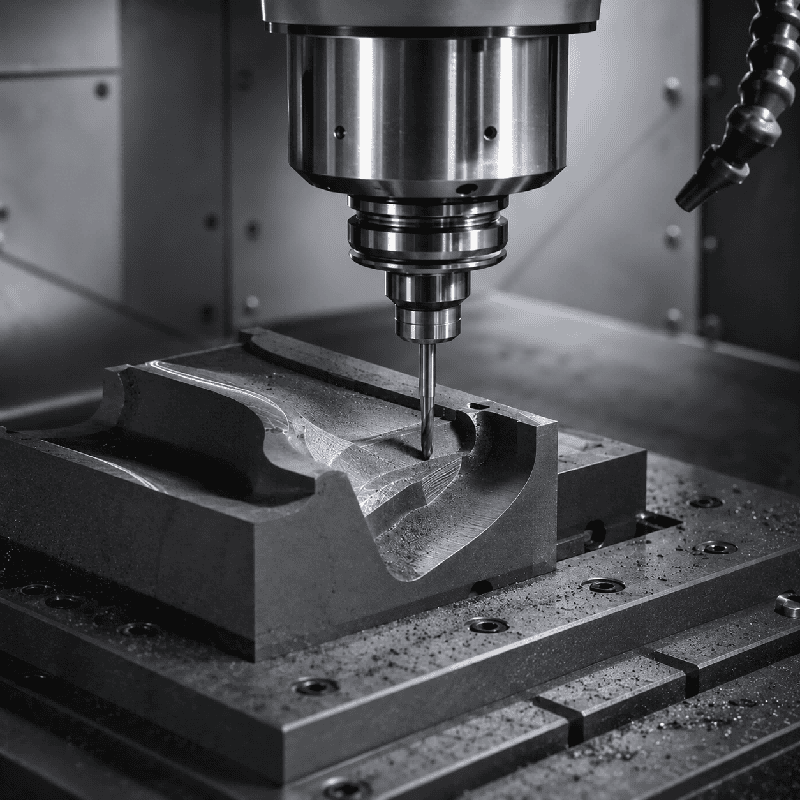
Dimensional accuracy is critical in graphite electrode machining because small errors in the electrode can affect the final EDM result. Tool wear, cutter shape, runout, dust buildup, and unstable finishing conditions can all change the final size of graphite features. A stable process and the right graphite end mill help maintain accuracy from roughing to finishing.
Surface finish is an important factor in graphite electrode milling because it affects electrode quality, dimensional consistency, and later EDM performance. To achieve a smoother graphite surface, manufacturers need to control tool wear, cutter shape, step-over, feed marks, dust evacuation, and machining stability.
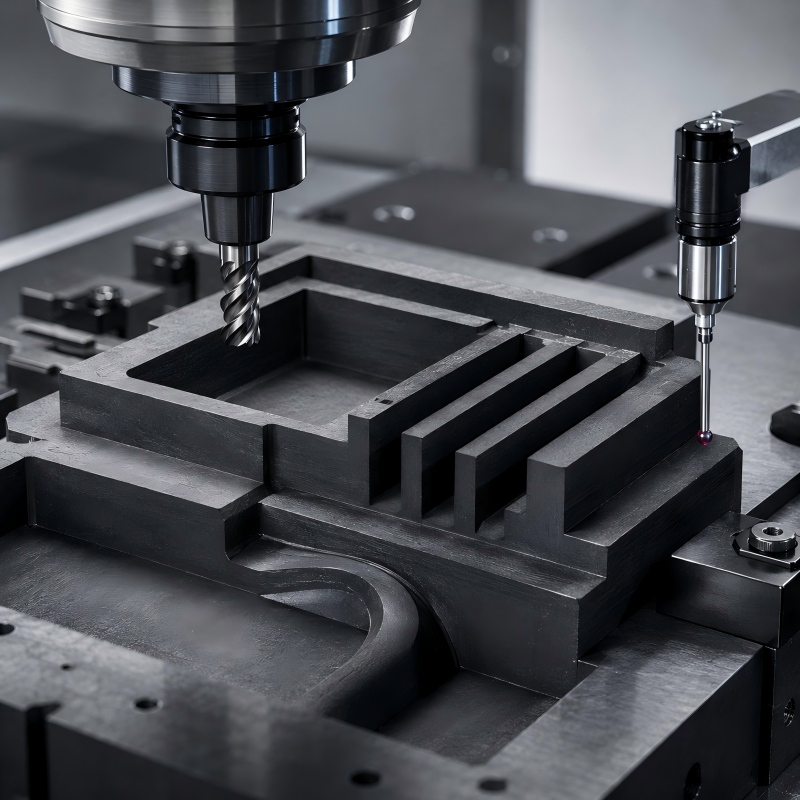
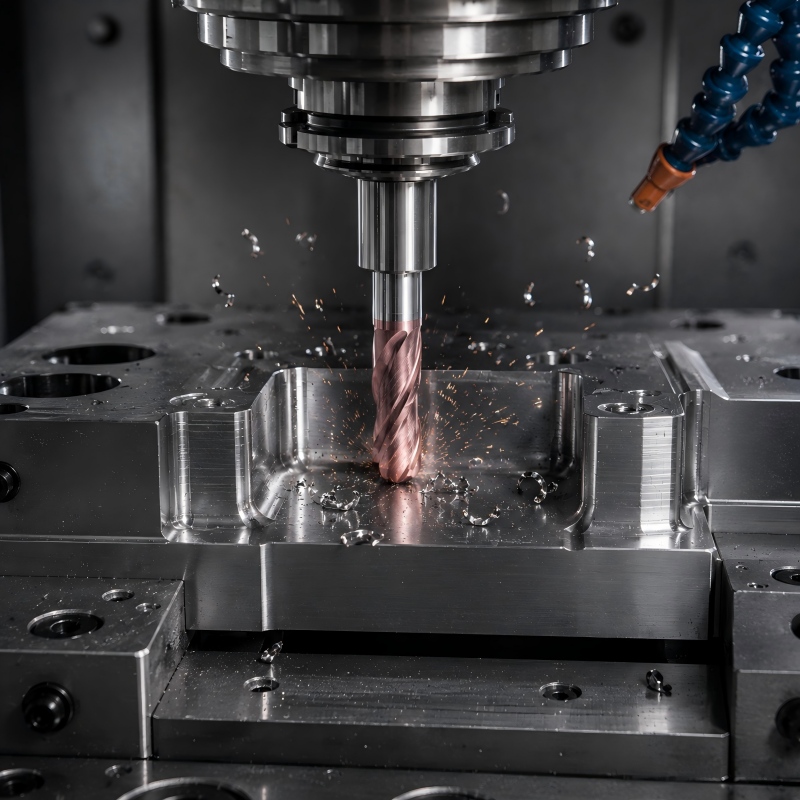
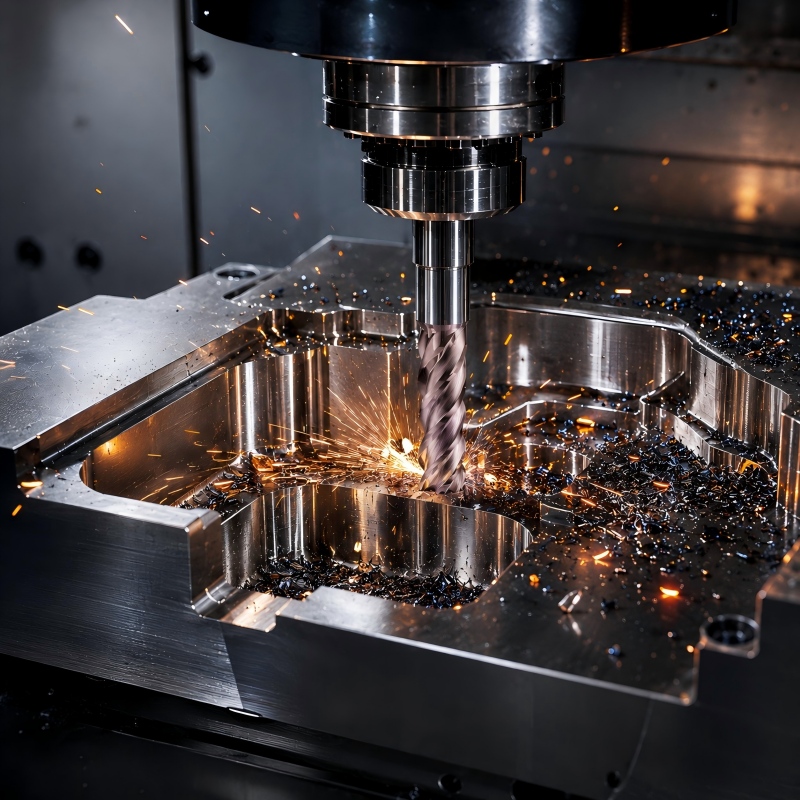
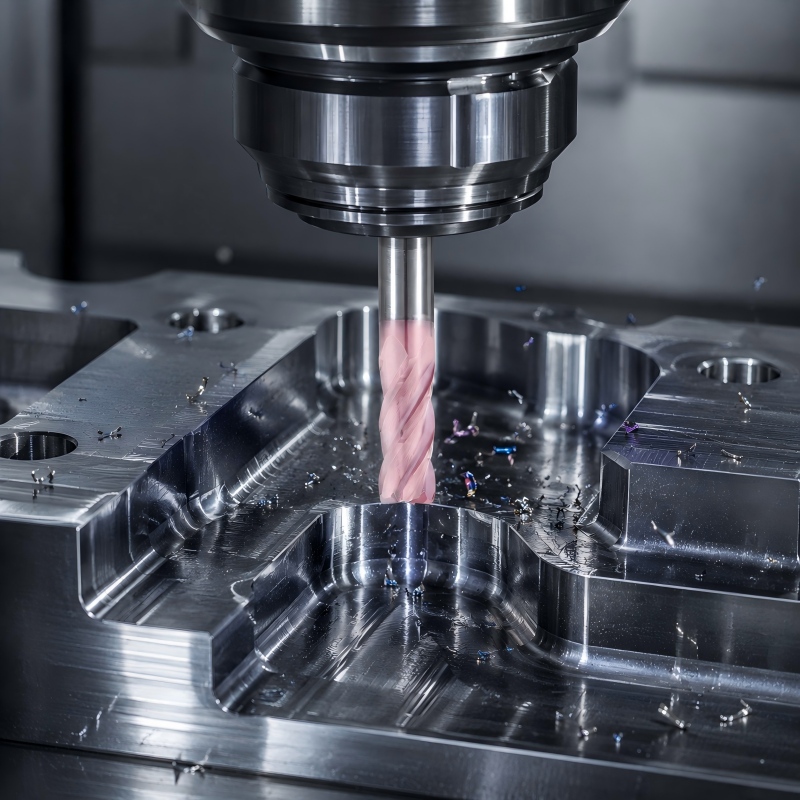
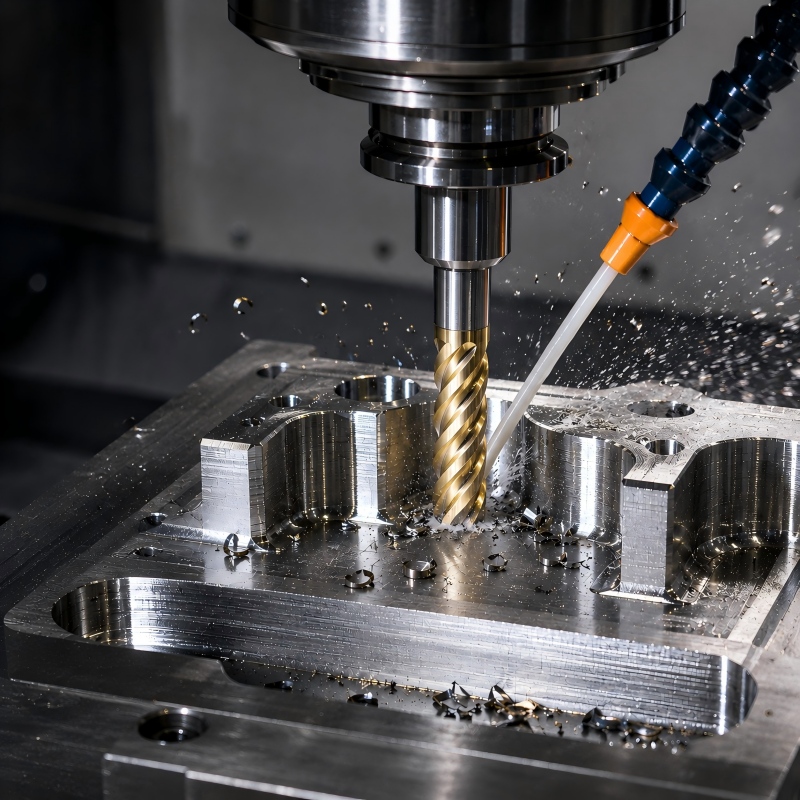
Carbide end mills are the primary cutting tools used in mold steel machining operations. They offer high hardness, wear resistance, and heat tolerance required for shaping hardened tool steels. These characteristics make carbide end mills essential in die and mold manufacturing.
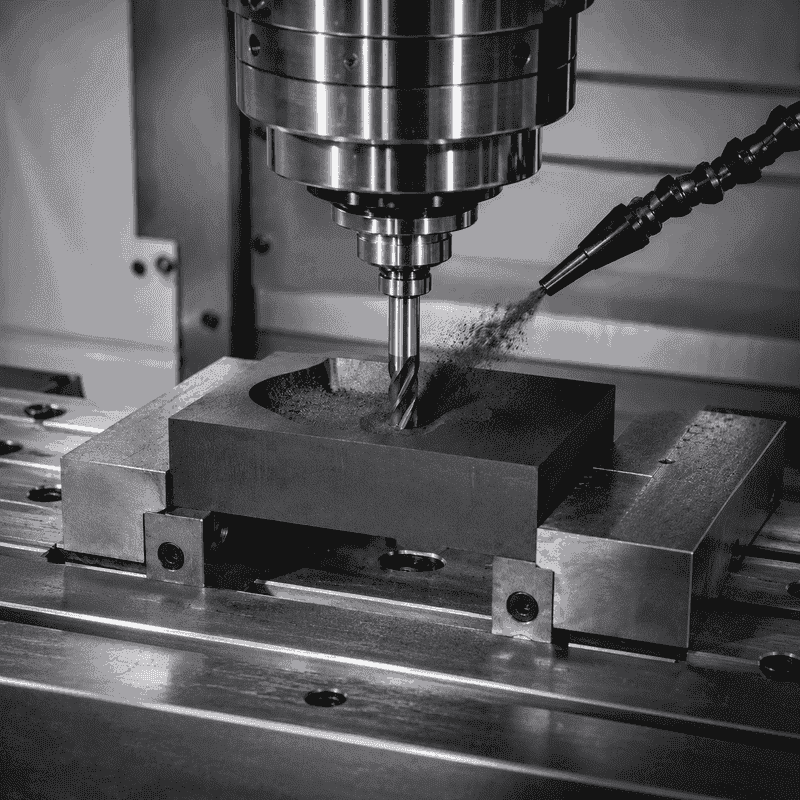
Graphite is easy to cut, but it is highly abrasive to cutting tools. In graphite electrode machining, fast tool wear can affect surface finish, dimensional accuracy, and tool life. Understanding the main wear patterns helps choose a more suitable graphite end mill and maintain a more stable machining process.
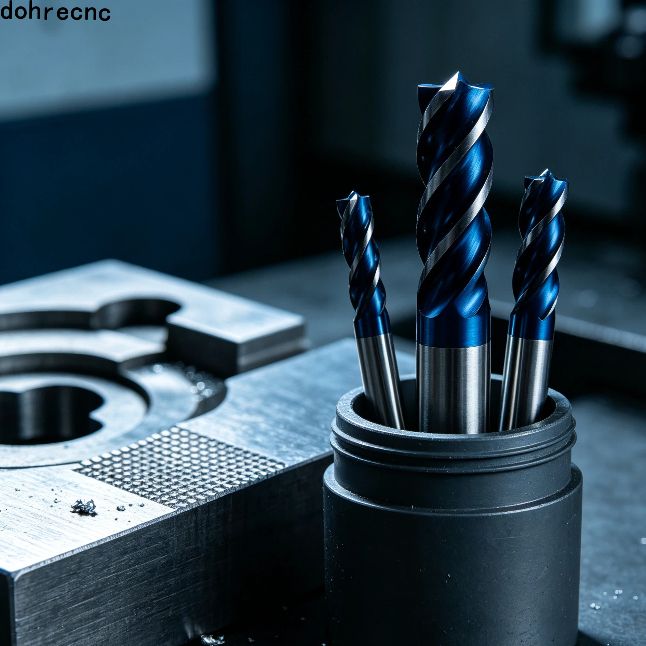
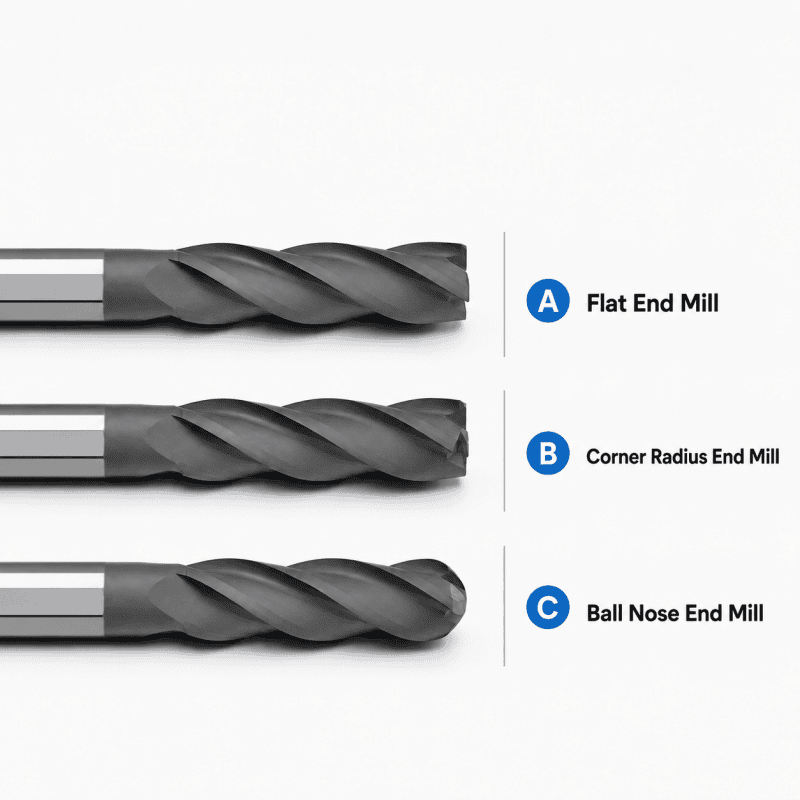
Graphite machining requires more than choosing a diamond-coated cutter. The end mill shape also affects surface finish, edge quality, tool life, and machining accuracy. For graphite electrodes and mold-related graphite parts, flat end mills, corner radius end mills, and ball nose end mills should be selected according to the part feature and machining stage.
H13 steel becomes much more difficult to mill after heat treatment because hardness, cutting resistance, and edge load increase significantly. Choosing the right end mill for hardened H13 requires more than checking the material name; the actual hardness, machining stage, cutter geometry, setup rigidity, and surface finish requirement should all be considered.
Surface finish is one of the main concerns in HRC60–68 hardened steel milling, especially in mold finishing and precision cavity machining. Poor finish is often related to vibration, tool wear, runout, unsuitable cutter geometry, or unstable cutting conditions. Improving surface quality requires both a suitable high-hardness end mill and a stable machining process.
HRC60–68 hardened steel milling is sensitive to vibration because the cutting edge works under high pressure and has little tolerance for unstable engagement. Reducing chatter is not only about changing cutting parameters; it also depends on tool rigidity, cutter geometry, setup stability, and a controlled cutting path.
HRC60, HRC65, and HRC68 hardened steel all belong to high-hardness machining, but they do not place the same demand on an end mill. As hardness increases, tool wear, edge chipping, coating stability, and setup rigidity become more critical, especially in hardened mold steel milling.
Chipping is one of the most common problems when milling HRC 60–68 hardened steel. In high-hardness mold steel machining, the cause is usually not the cutter alone, but the combination of material hardness, edge strength, toolholding rigidity, cutter geometry, and cutting engagement.
Machining hardened mold steel in the HRC 60–68 range places much higher demands on the cutting edge than general mold steel. For materials such as H13, NAK80, S136, and 718H, the end mill should be selected based on actual hardness, heat treatment condition, machining stage, and part feature—not only by material name.
Titanium alloy milling often puts heavy stress on the cutting edge because heat, chip flow, and cutting stability are difficult to control at the same time. To improve end mill tool life, the focus should not be only on the cutter itself, but also on coating suitability, flute design, tool geometry, setup rigidity, and stable machining conditions.
Contact Us
*We respect your privacy. When you submit your contact information, we agree to only contact you in accordance with our Privacy Policy.
By continuing to use the site you agree to our privacy policy Terms and Conditions.