+86 18068787495
[email protected]
English
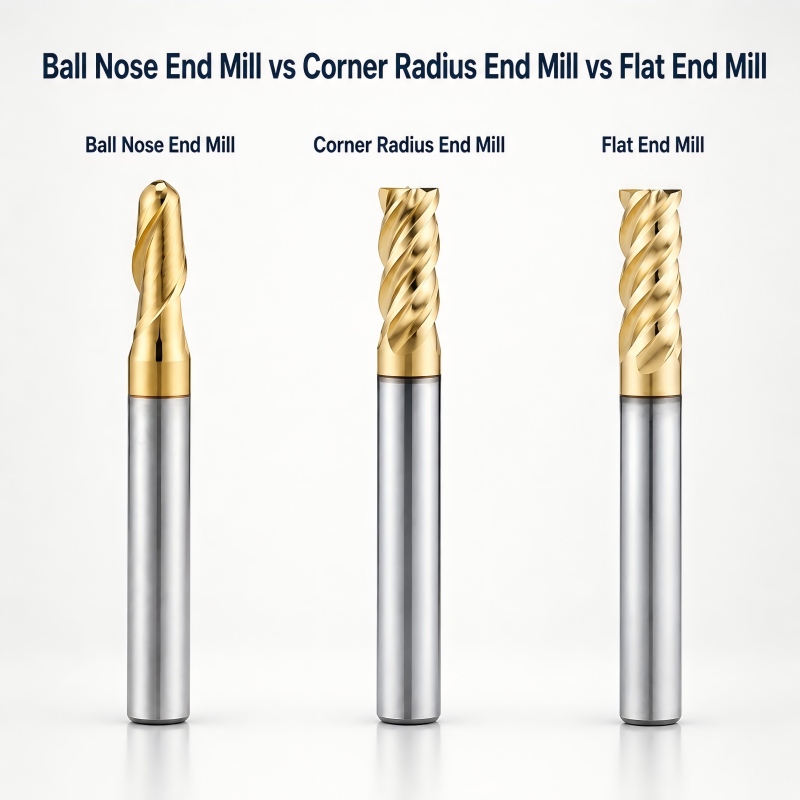
Cutter shape plays an important role in titanium alloy milling because flat surfaces, curved contours, and stronger edge support require different tool designs. This guide compares flat, ball nose, and corner radius end mills to help choose the right cutter type for different titanium alloy machining tasks.
Titanium alloy is challenging to machine because heat buildup, chip evacuation, material adhesion, and tool wear often happen together. Understanding these machining difficulties helps explain why a dedicated titanium alloy end mill with suitable geometry, coating, and chip control performs better than a general-purpose cutter.
Titanium alloy is difficult to machine because cutting heat stays near the tool edge, chip evacuation can become unstable, and the cutter must maintain edge strength under high cutting pressure. This guide explains how to choose the best end mill for titanium alloy based on tool geometry, coating performance, chip control, and machining purpose.
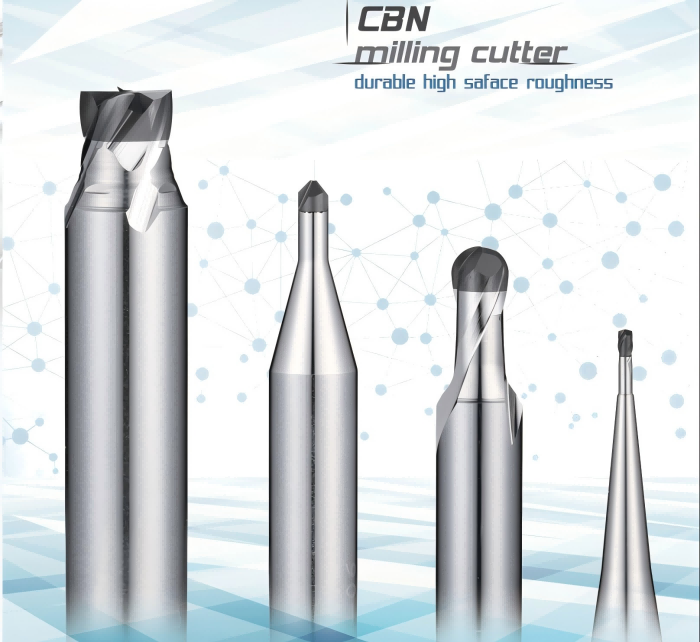
Quenched steel machining requires more than simply choosing a hard cutting tool. The right CBN end mill should match the workpiece hardness, machining stage, part geometry, and setup stability so the tool can maintain wear resistance, edge strength, and consistent finishing performance.
CBN end mills can deliver stable performance in hardened and quenched steel, but they are sensitive to tool selection, cutting conditions, and setup stability. When chipping or fast wear appears too early, the cause is often not the tool material alone, but a mismatch between hardness, geometry, engagement, and machining stability.
Workpiece hardness is usually the first signal that determines whether CBN is worth considering. When carbide wear, surface finish, or dimensional stability becomes difficult to control in hardened steel or quenched steel, the hardness range should be evaluated together with machining stage, tool geometry, and setup rigidity.
Choosing a CBN end mill for hardened steel is not only about tool material. Square, ball nose, and corner radius cutters each handle cutting load, surface shape, and edge strength differently, so the right choice should match the part geometry, machining stage, and finishing requirement.
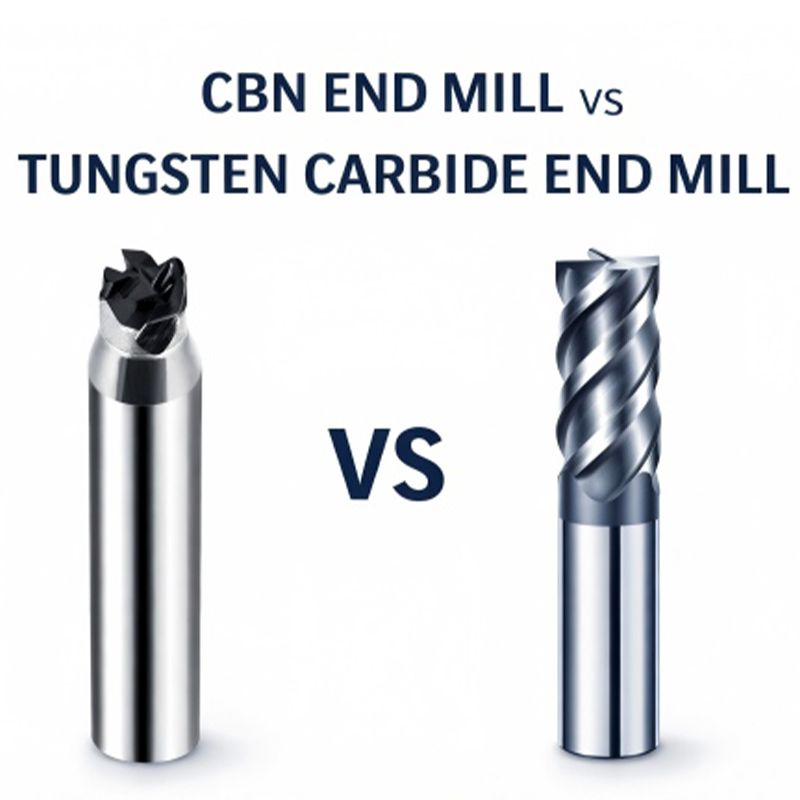
CBN and carbide are not interchangeable in every machining condition. The decision usually depends on workpiece hardness, finishing requirements, tool wear, and process stability. When carbide begins to lose accuracy or tool life in hardened steel, CBN may become the better choice.
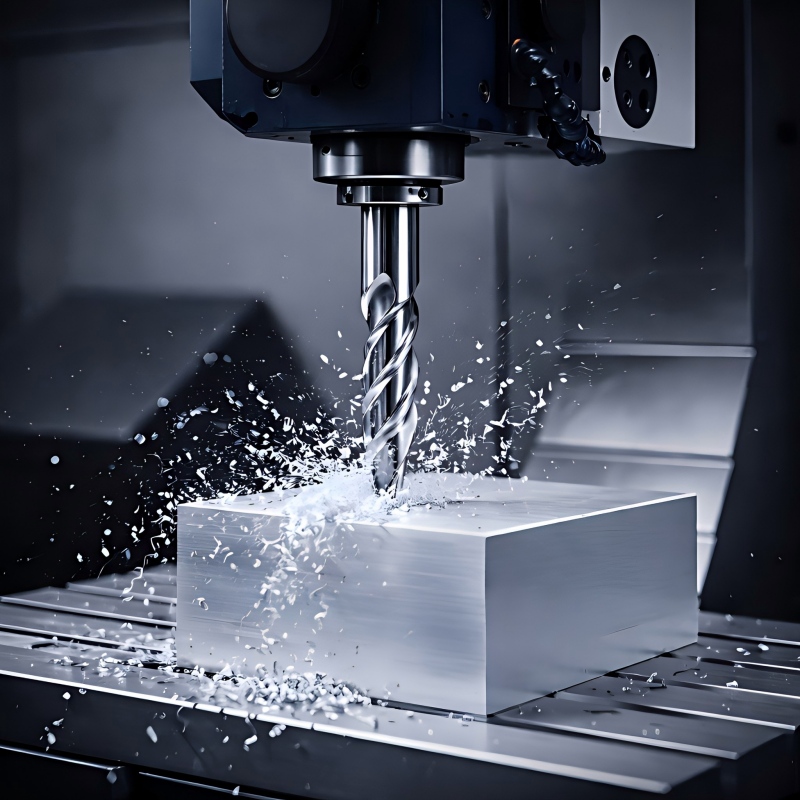
7075 aluminum is widely used in aerospace, automotive, robotics, and other high-strength applications. Compared with 6061 aluminum, it places higher demands on cutting stability, chip evacuation, tool rigidity, and surface finish. This guide explains how to choose the best end mill for 7075 aluminum based on flute count, tool geometry, coating or surface treatment, and machining purpose.
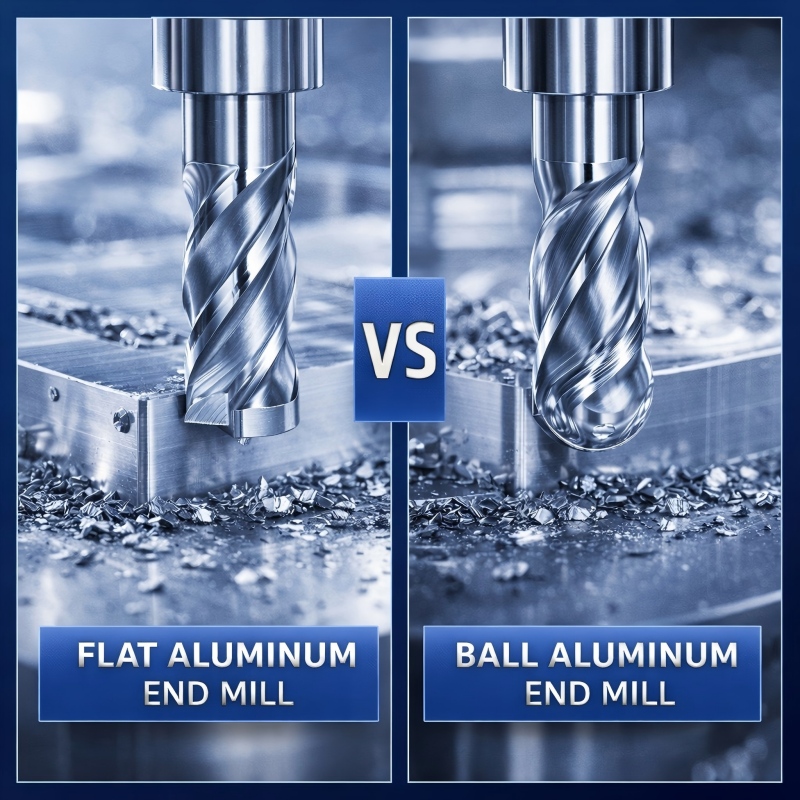
Square end mills and ball nose end mills serve different purposes in aluminum machining. The right choice depends on whether the part requires flat surfaces, defined edges, curved contours, or smoother 3D finishing.
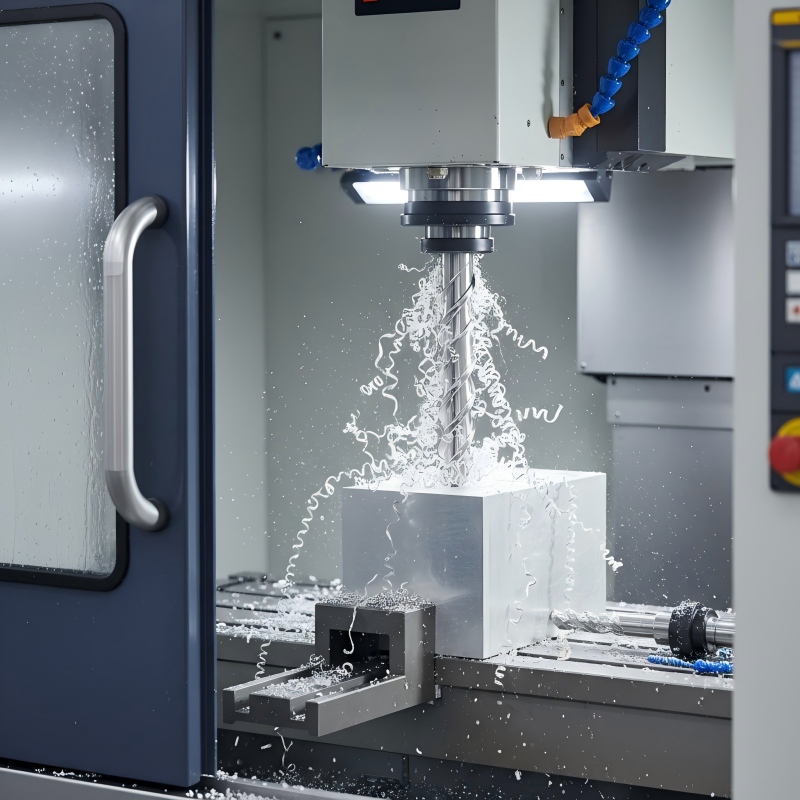
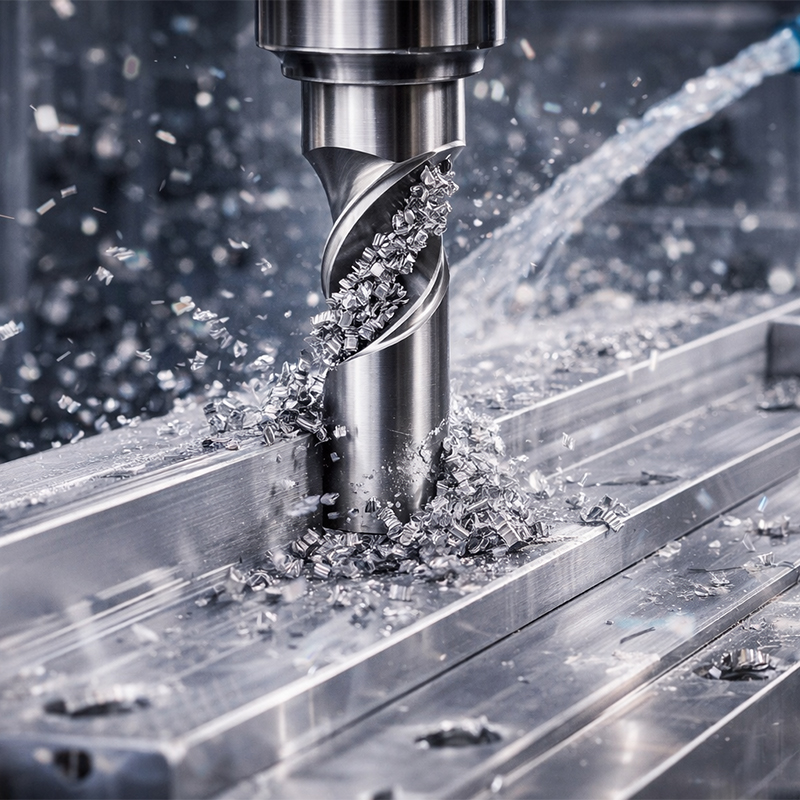
Aluminum sticking to an end mill is usually caused by heat, poor chip evacuation, unsuitable cutter geometry, or built-up edge during machining. Understanding these causes helps improve tool selection, cutting stability, surface finish, and overall aluminum milling performance.
6061 aluminum is widely used in CNC machining because of its good machinability and versatility, but choosing the wrong end mill can still cause burrs, poor surface finish, and unstable chip evacuation. This guide explains how to choose the best end mill for 6061 aluminum based on flute count, cutter type, chip flow, and real machining needs.
Contact Us
*We respect your privacy. When you submit your contact information, we agree to only contact you in accordance with our Privacy Policy.
By continuing to use the site you agree to our privacy policy Terms and Conditions.